Ferris Coffee adopted Petainer’s 20L one-way PET Hybrid Kegs to expand cold brew distribution beyond its own cafés. The move helped reduce the cost and complexity of steel keg logistics, while protecting product quality and making it easier to grow in new markets.
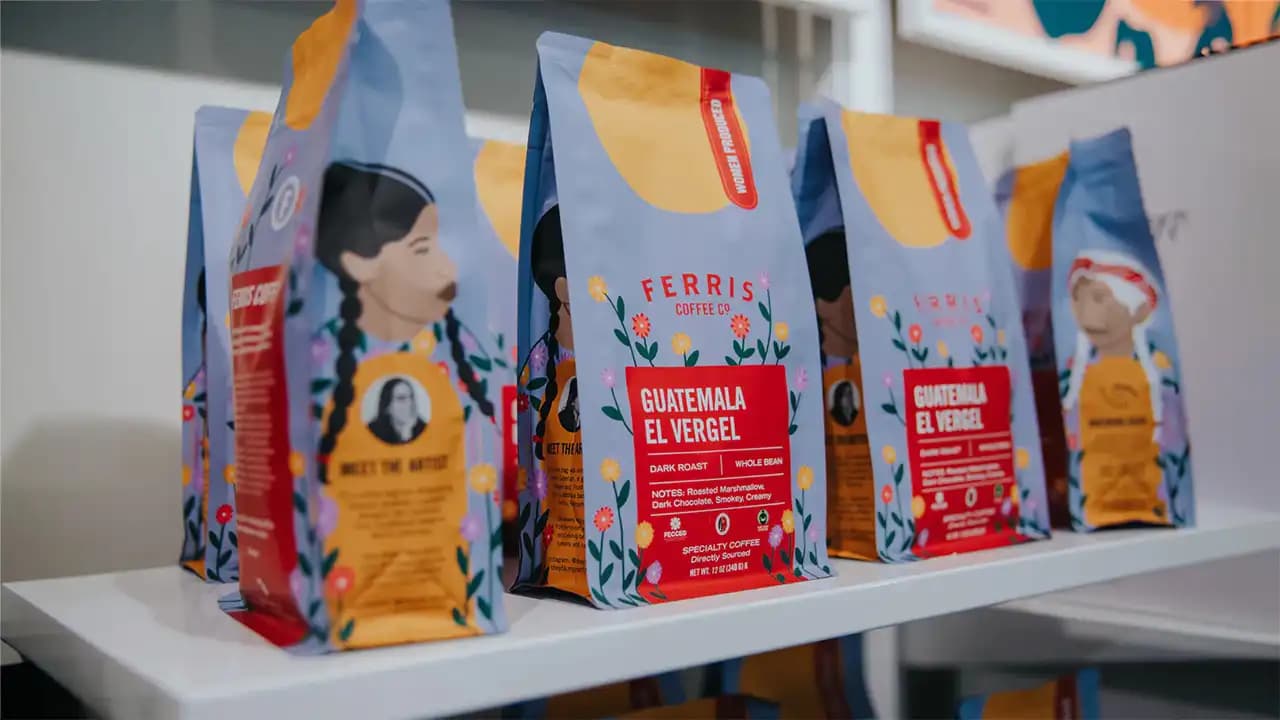
Founded in 1924, Ferris Coffee is a family-owned coffee business based in Michigan. As demand for cold brew grew, Ferris needed a packaging format that could support wider distribution without the cost, complexity, and operational burden of a traditional steel keg system.
By the Numbers
Before switching formats, Ferris Coffee faced the typical barriers that come with distributing cold brew in stainless steel kegs. That meant high upfront investment in keg fleets, added washing and sanitation requirements, and the ongoing cost of managing returns.
For a growing business, that model made expansion harder than it needed to be. Ferris needed a solution that could lower the cost of entry into new markets, reduce operational friction, and still protect the taste and quality of its cold brew. This is where PET kegs needed to show both commercial and practical value.

In April 2018, Ferris adopted Petainer’s 20L one-way PET Hybrid Kegs for cold brew distribution outside its own cafés. The format gave the business a simpler way to reach more customers without building a steel keg return system around the product.
Because the kegs arrive sanitised, Ferris avoided the water, chemicals, and energy typically needed for keg cleaning. The one-way model also removed the need to recover empty kegs, reducing logistical complexity while helping preserve the fresh taste of the cold brew during distribution. The format is also HPP approved, which is relevant for cold brew brands looking to extend shelf life while protecting quality through distribution.
For Ferris, the main result was a more scalable distribution model. By removing the need for stainless steel kegs and the related cleaning process, the business reduced capital requirements and made it easier to test and enter new markets. A lightweight keg format, weighing around 10% of a steel keg and offering logistics savings of up to 40%, strengthened the commercial case for wider distribution.
One-way PET kegs are a really easy option and support the growth plans of smaller businesses like ours by lowering the cost of entry into new markets. Crucially, the feedback from our customers has been really positive. They find Petainer kegs easy to use and to dispose of. If our customers are happy, we’re happy.
Sam Mirto, Director of Coffee at Ferris Coffee
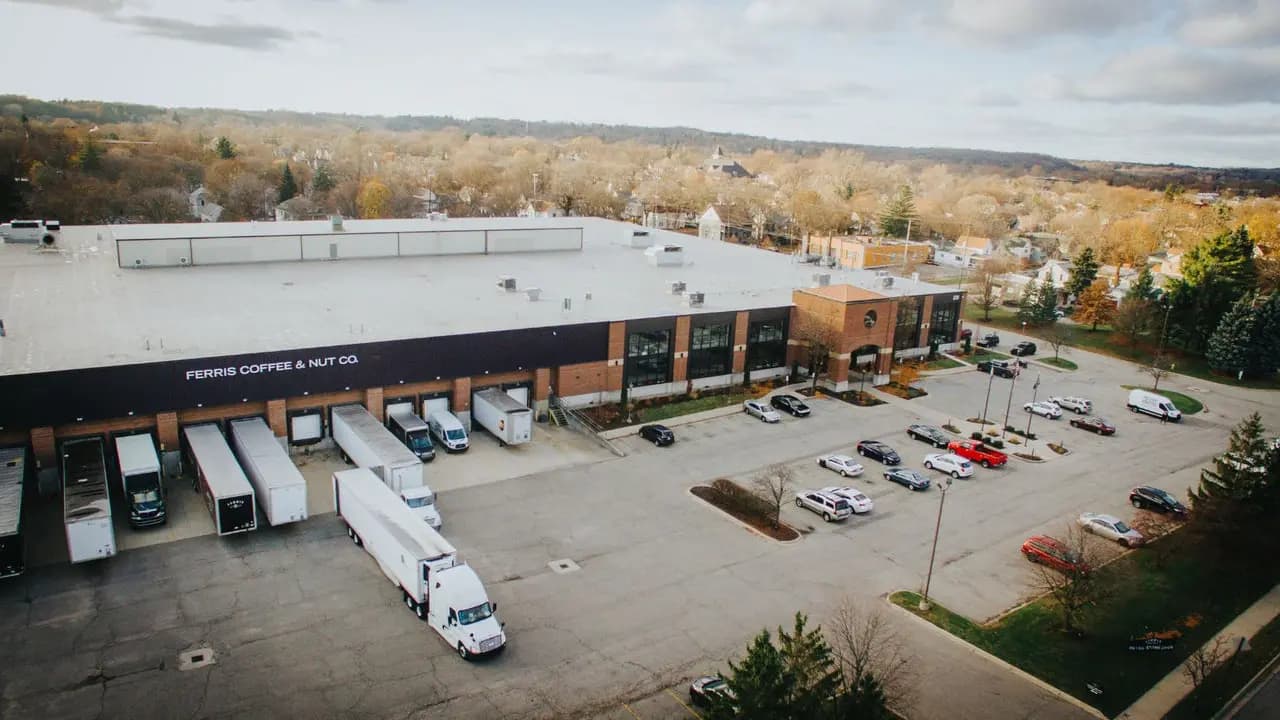
Ferris Coffee shows how one-way PET kegs can help smaller and growing beverage brands scale distribution without taking on the full cost and complexity of a traditional steel keg model. For cold brew in particular, that matters because product quality, ease of use, shelf life, and cost to serve all affect whether wider expansion is commercially viable.
For brands looking to grow cold brew on tap, PET kegs offer a practical route to expand distribution, simplify operations, reduce the burden of return logistics, and support HPP processing, all while keeping the product protected from fill point to dispense.