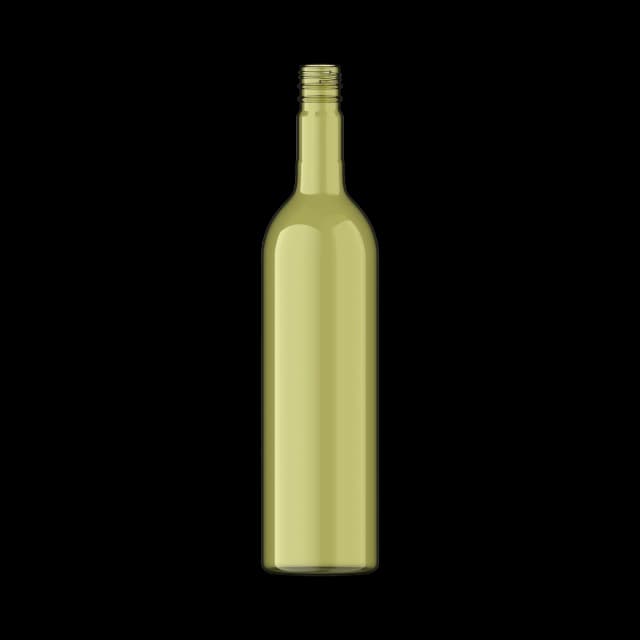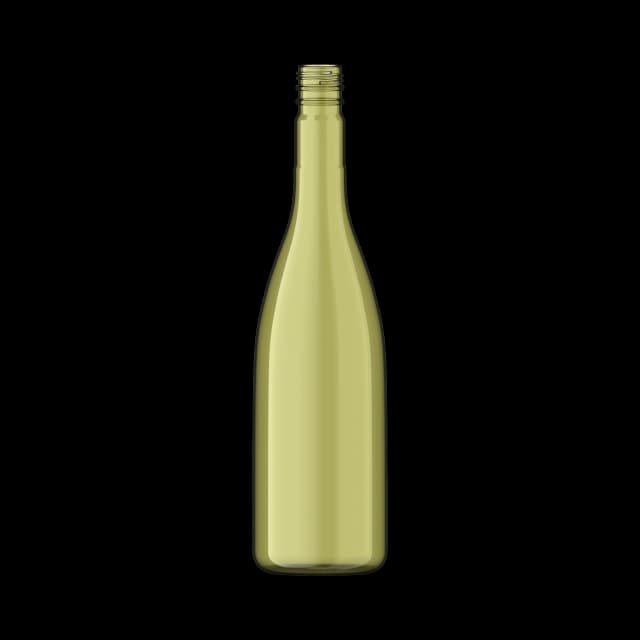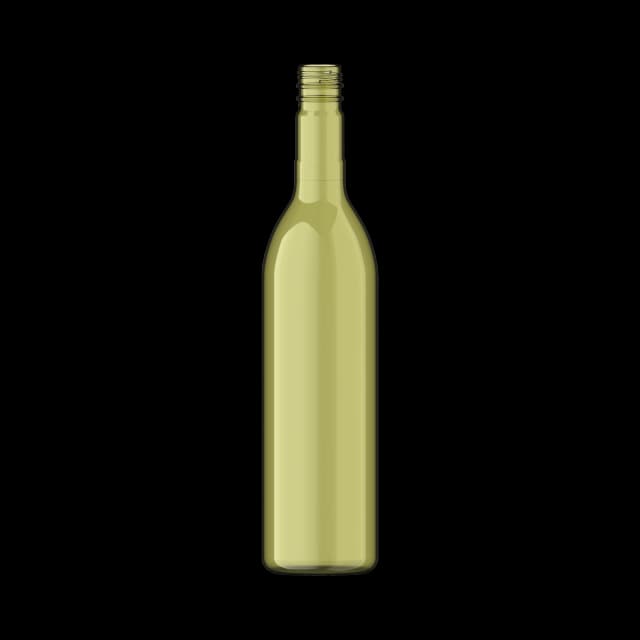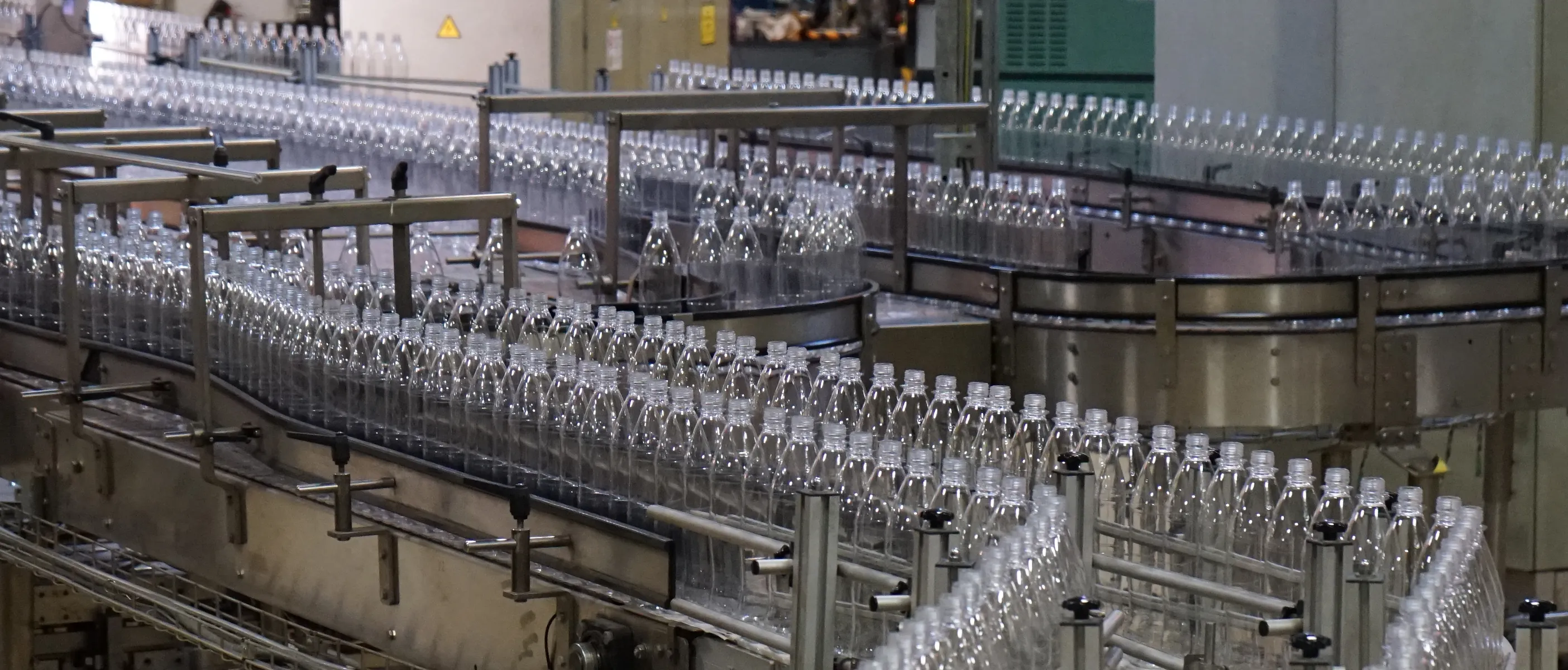
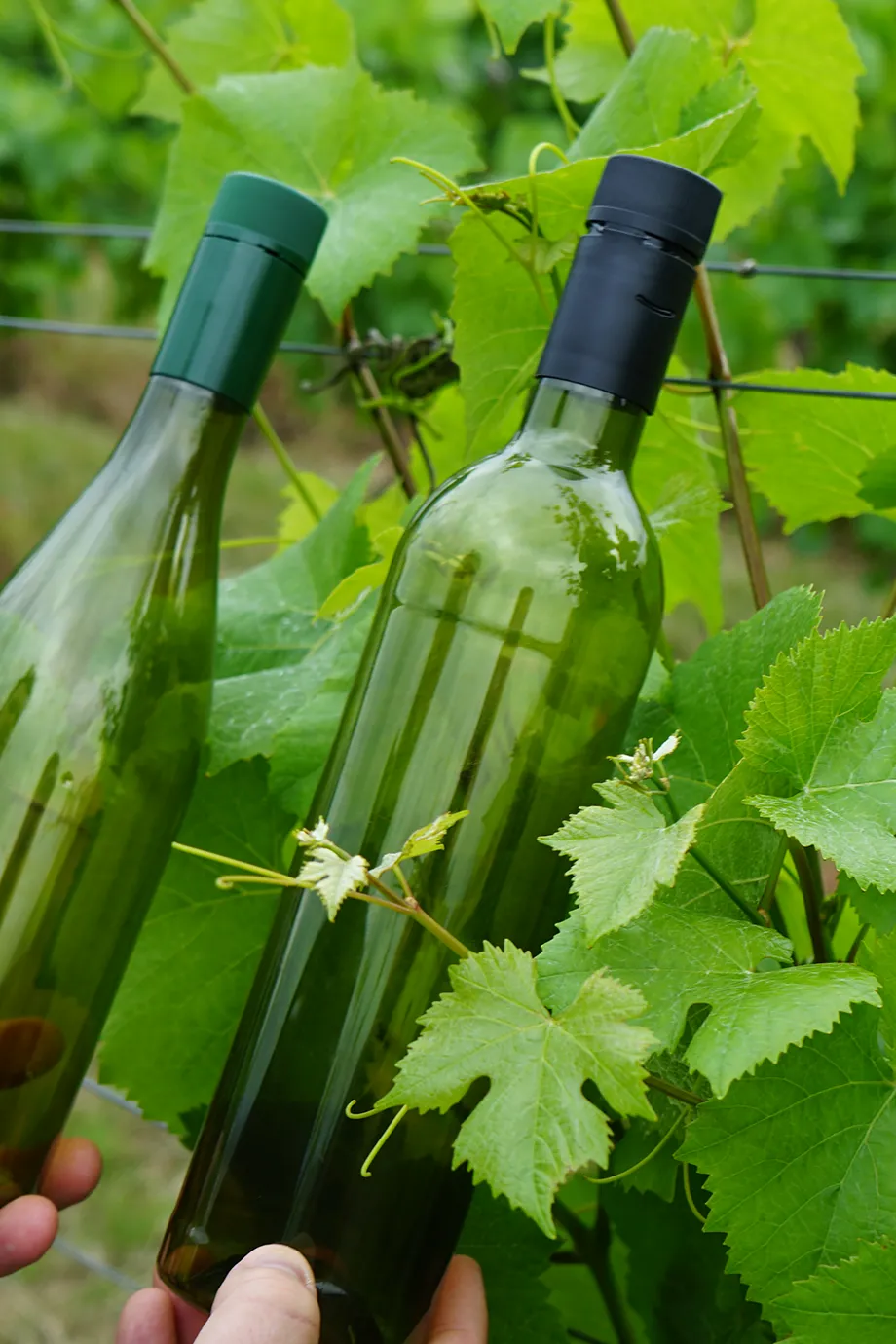
Petainer’s PET Plastic Wine Bottles offer a revolutionary alternative to traditional glass bottles, providing a lightweight, shatterproof, and sustainable solution. Available in clear or colored options, our 750ml and 1000ml bottles maintain the classic look and feel of wine packaging while significantly reducing transportation costs and environmental impact. With the ability to fill on existing glass lines and compatibility with plastic or metal closures, PET bottles are an easy transition for producers seeking to unlock the benefits of modern, eco-friendly materials.
PET plastic wine bottles are designed to address key challenges in wine packaging, including transportation efficiency, safety, and sustainability. Here are the standout benefits:
89% lighter than standard glass bottles.
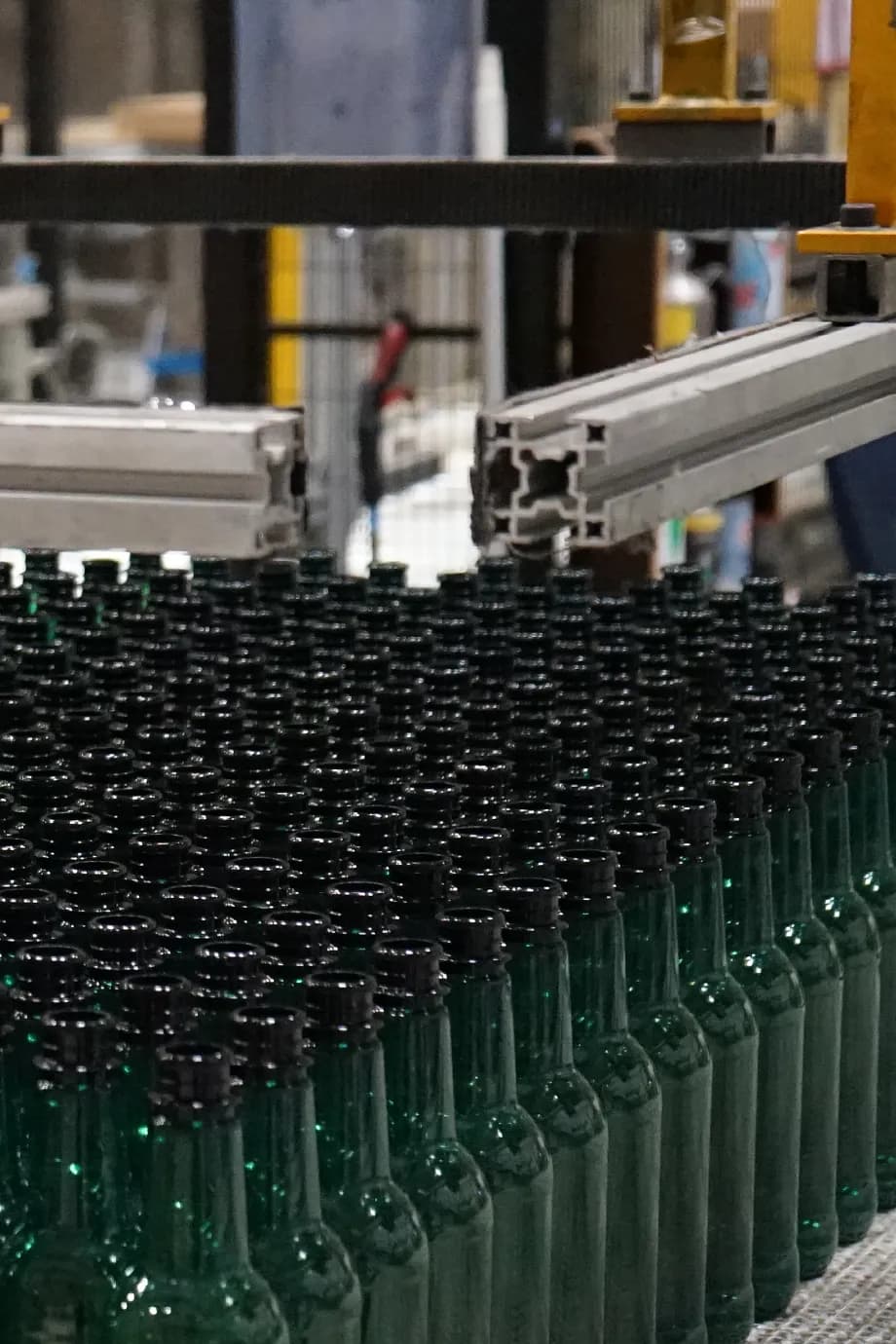
Shatterproof bottles for safer transport and events.
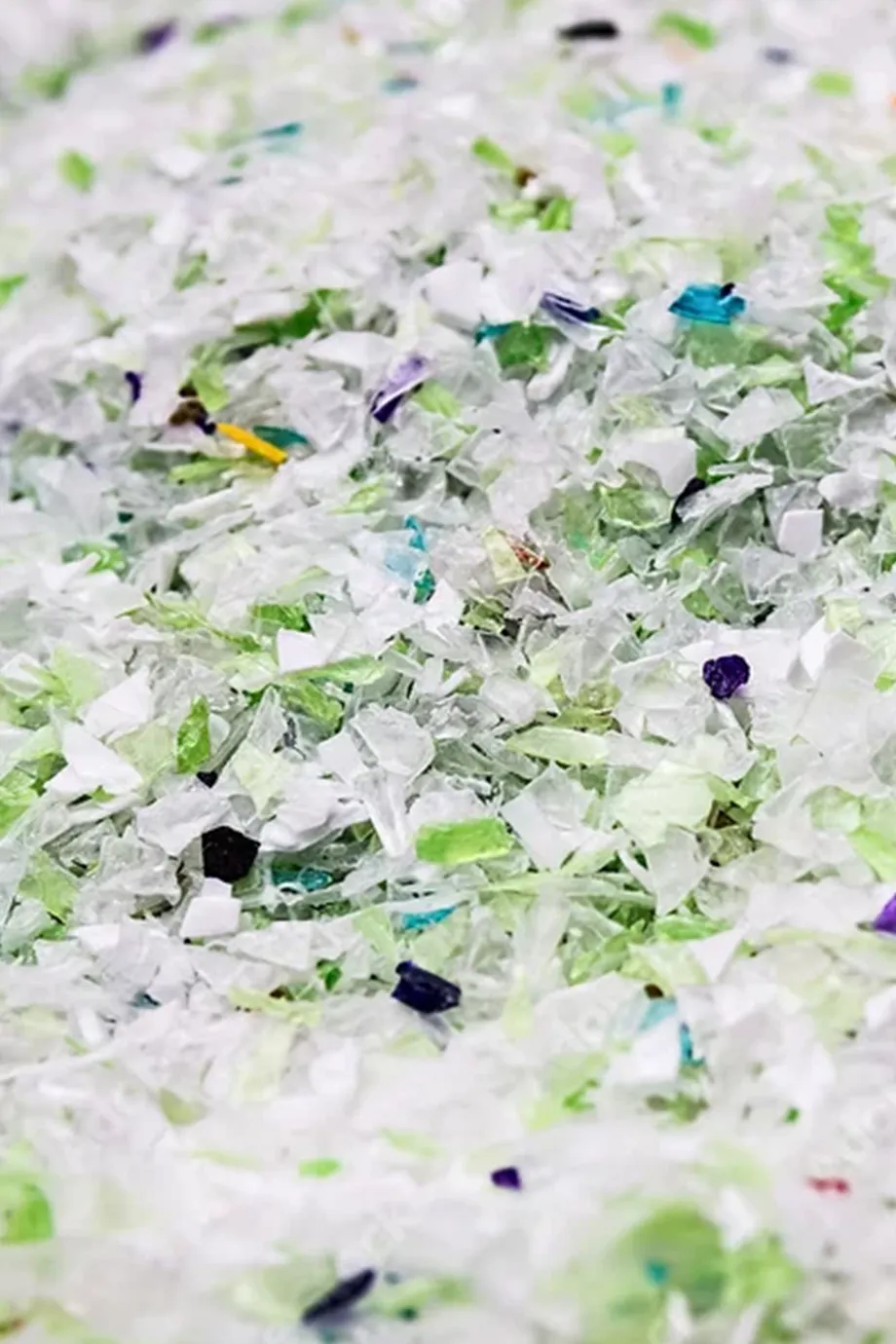
100% recyclable and eco-friendly.
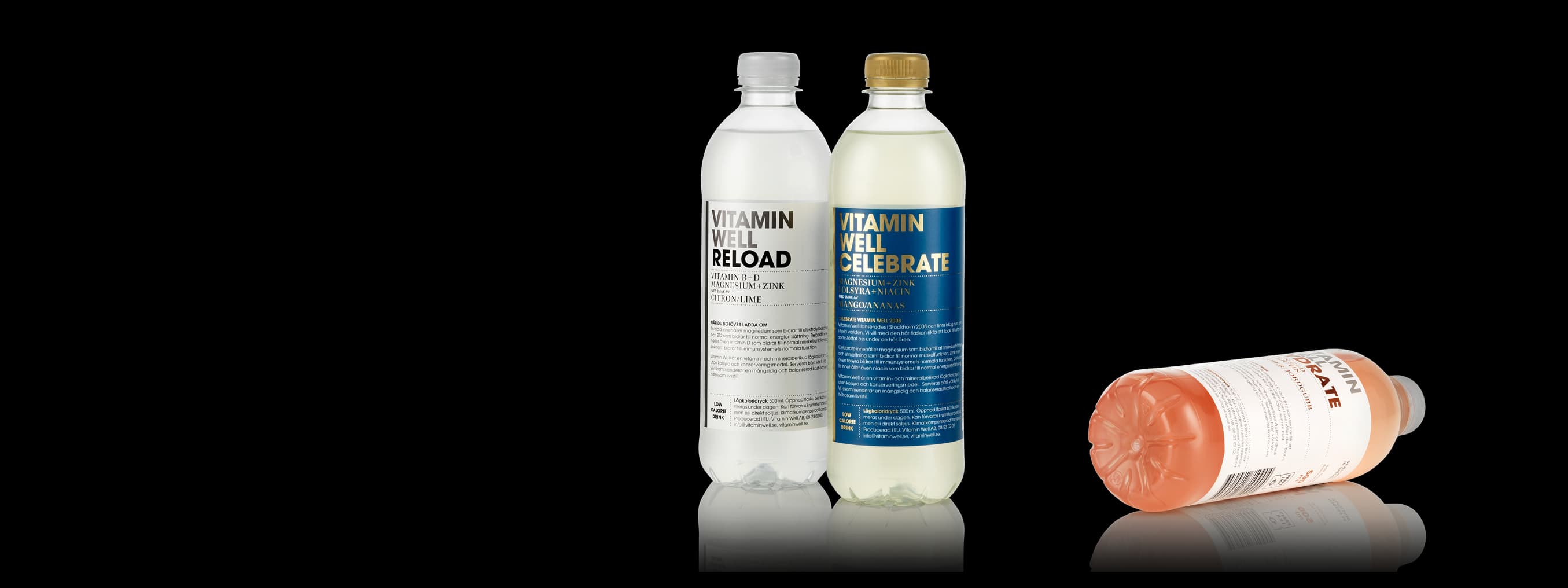
Petainer PET bottles are designed with CETIE standard Neck Finishes. Depending on your existing fitting, or lightweighting interest, Petainer's standard range offers a solution.
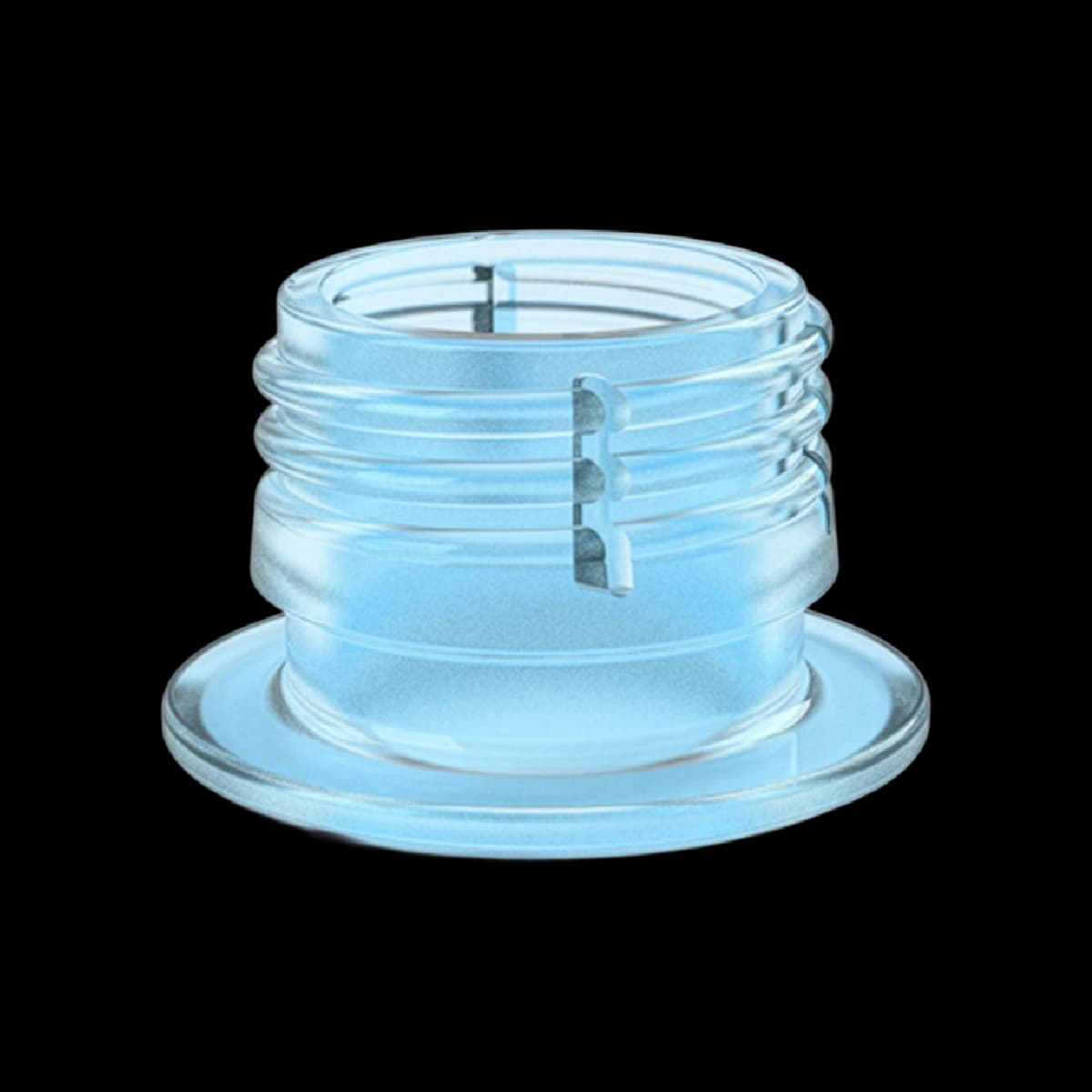
28mm BPF: Neck finish for beverage bottles requiring reliable sealing and compatibility with standard screw caps.
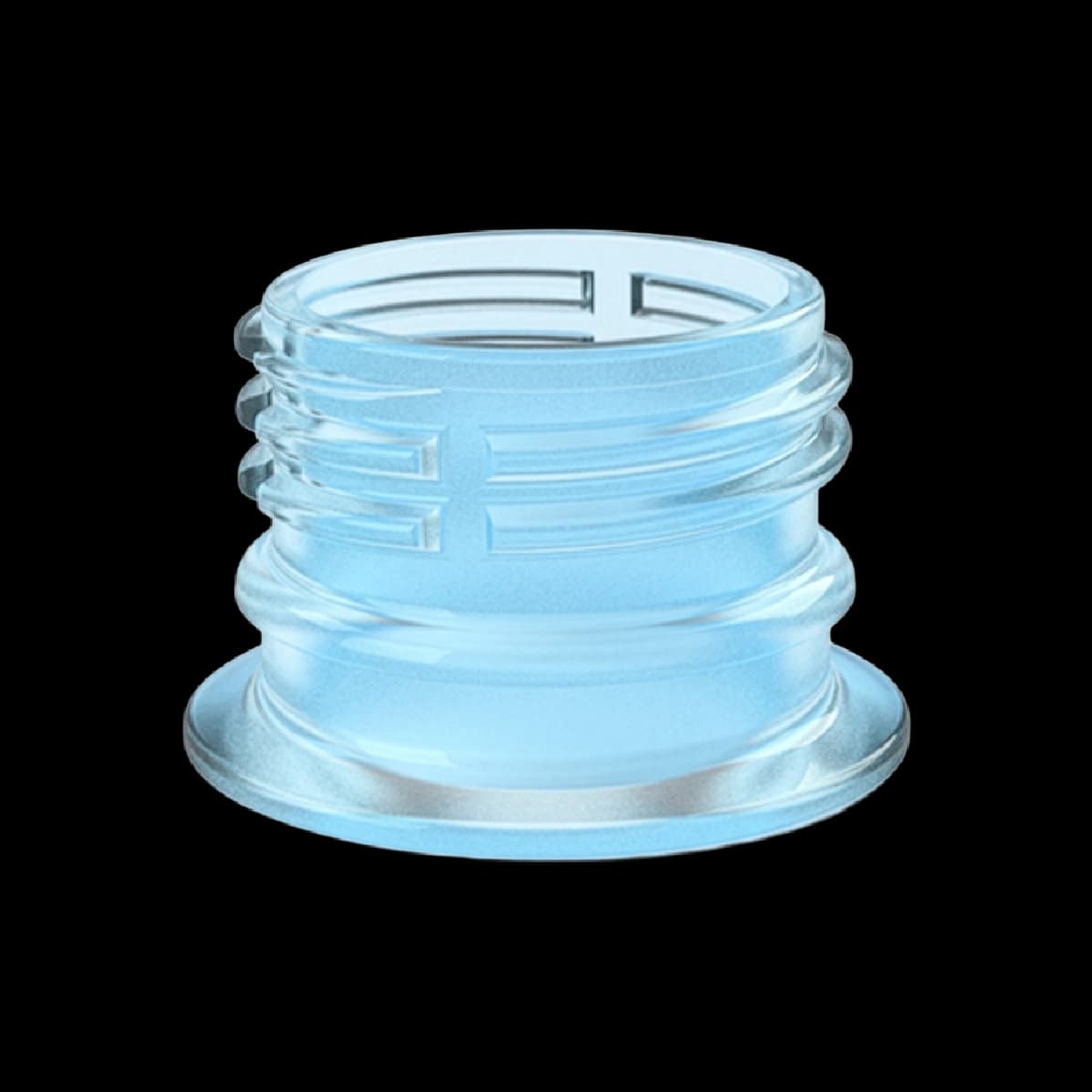
28mm PCO 1810: Lightweight finish developed for carbonated soft drinks and water, reducing material use while maintaining pressure resistance.
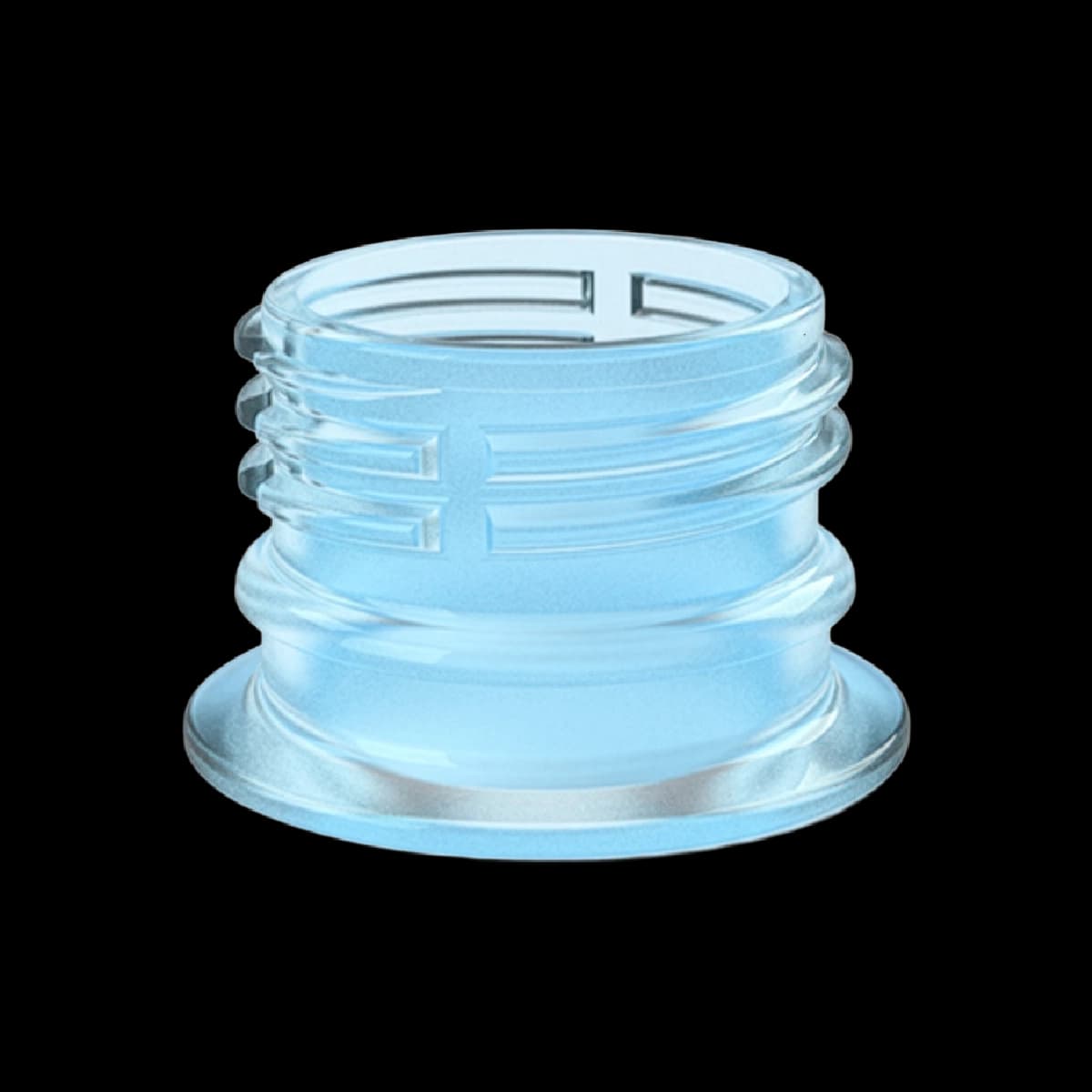
28mm PCO 1881: Global standard for CSD bottles, enabling further lightweighting and improved sustainability performance.
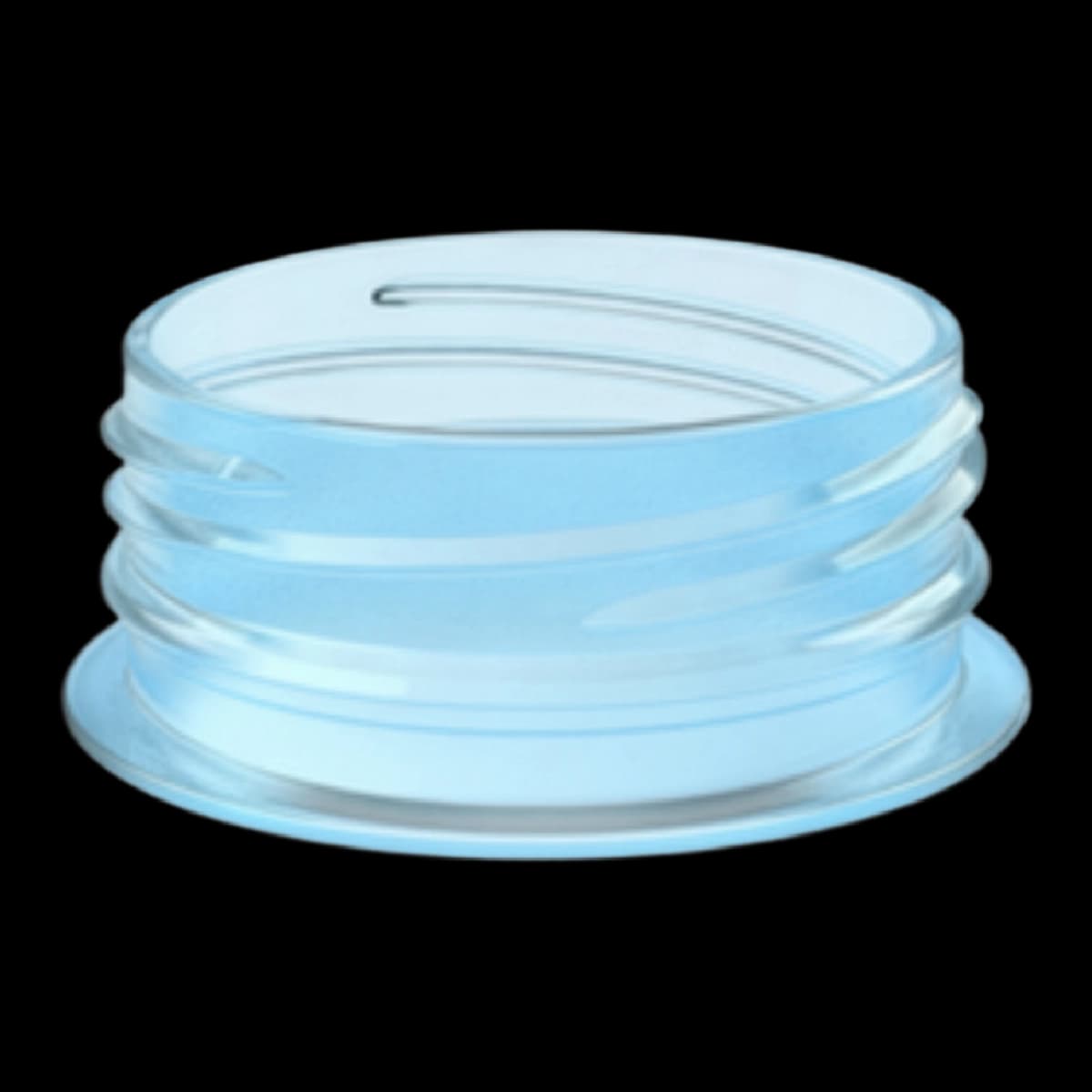
38mm DBJ: Suitable for juice, dairy, and functional beverages, supporting tamper-evident closures and wider pouring.
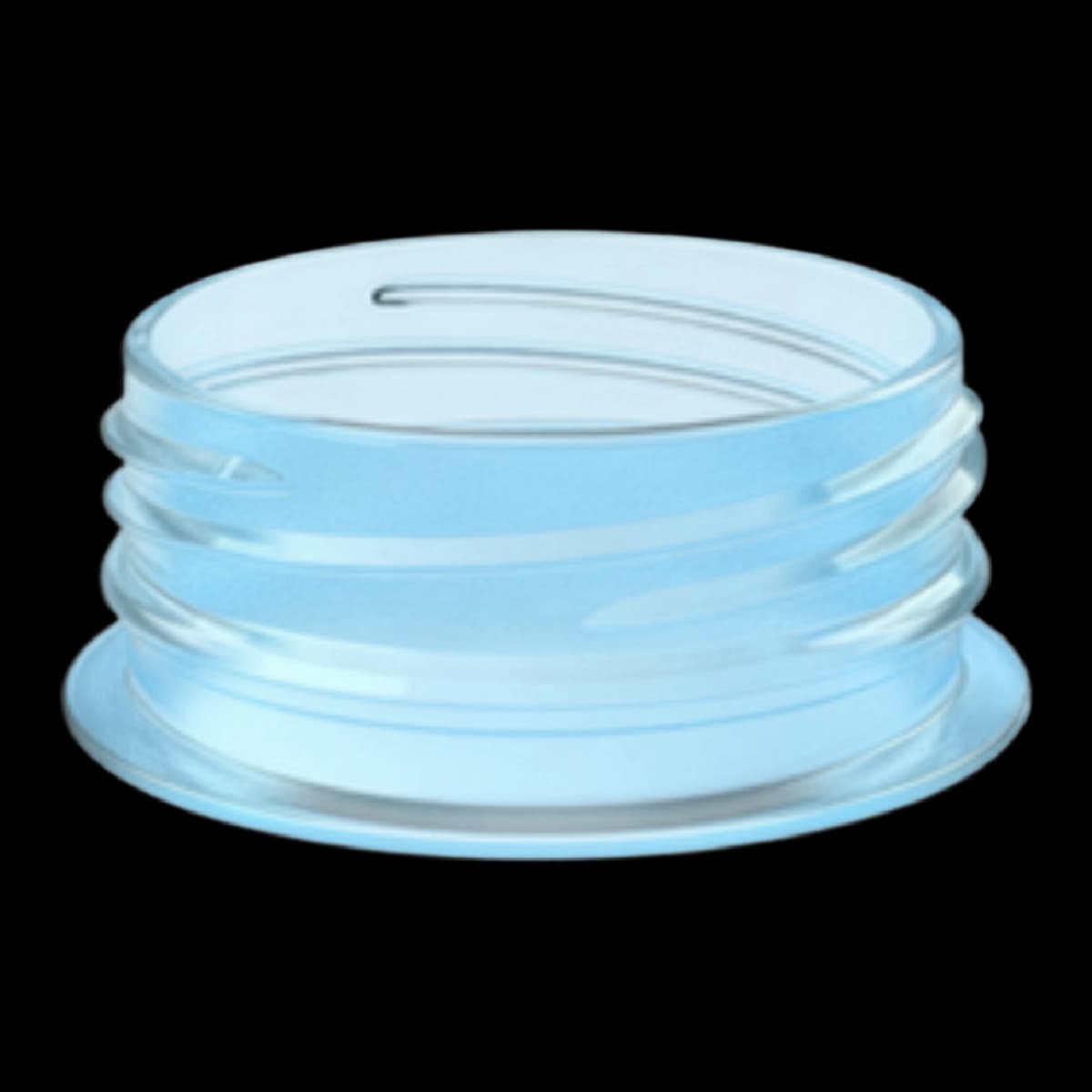
38mm SP400: Multi-purpose neck finish for beverages, food, and household liquids, compatible with screw caps.
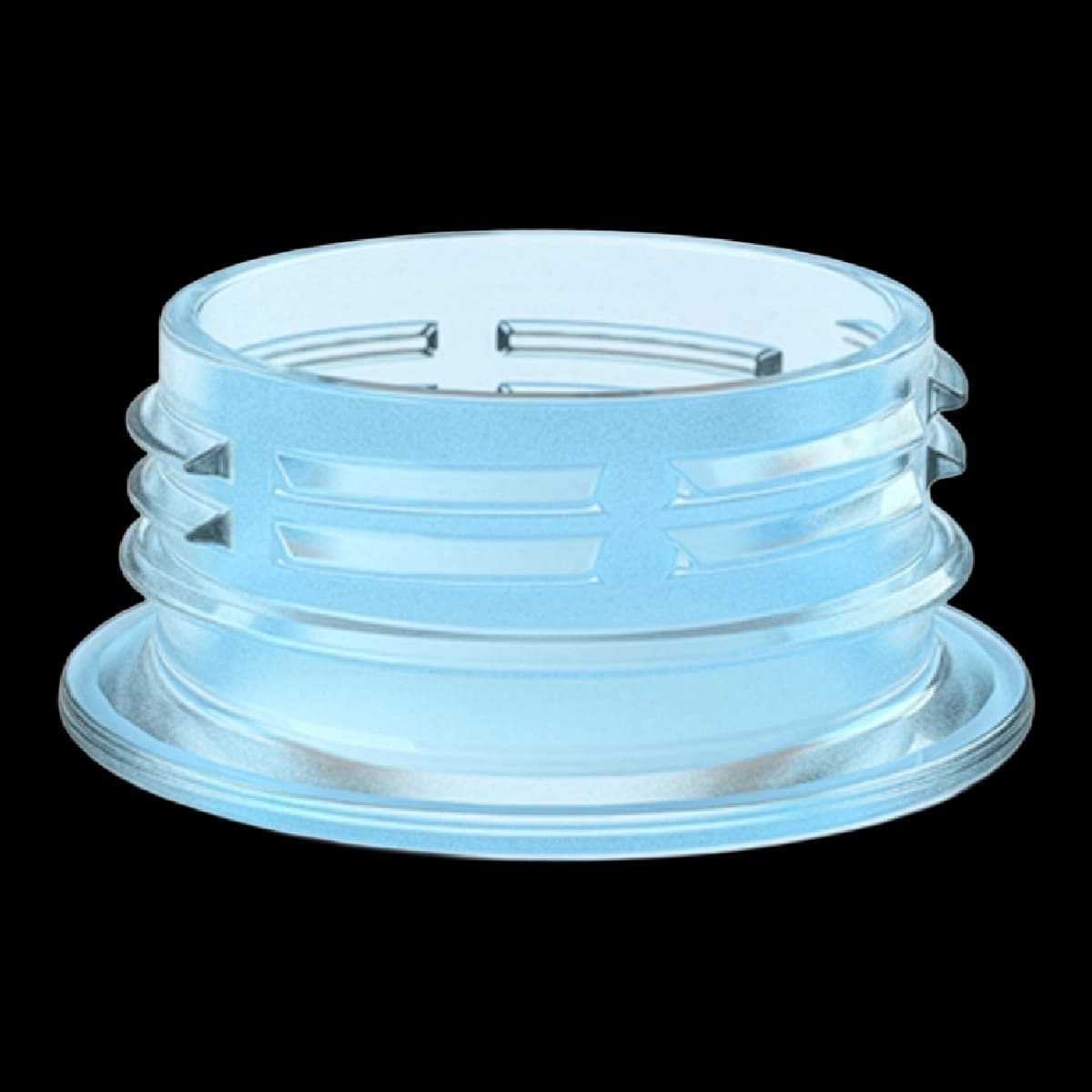
26/22 GME: Designed for water and carbonated soft drinks, compatible with lightweight tethered closures for improved circularity.
BVS 30H60: Designed for spirits and wine bottles, compatible with tamper-evident aluminium closures.
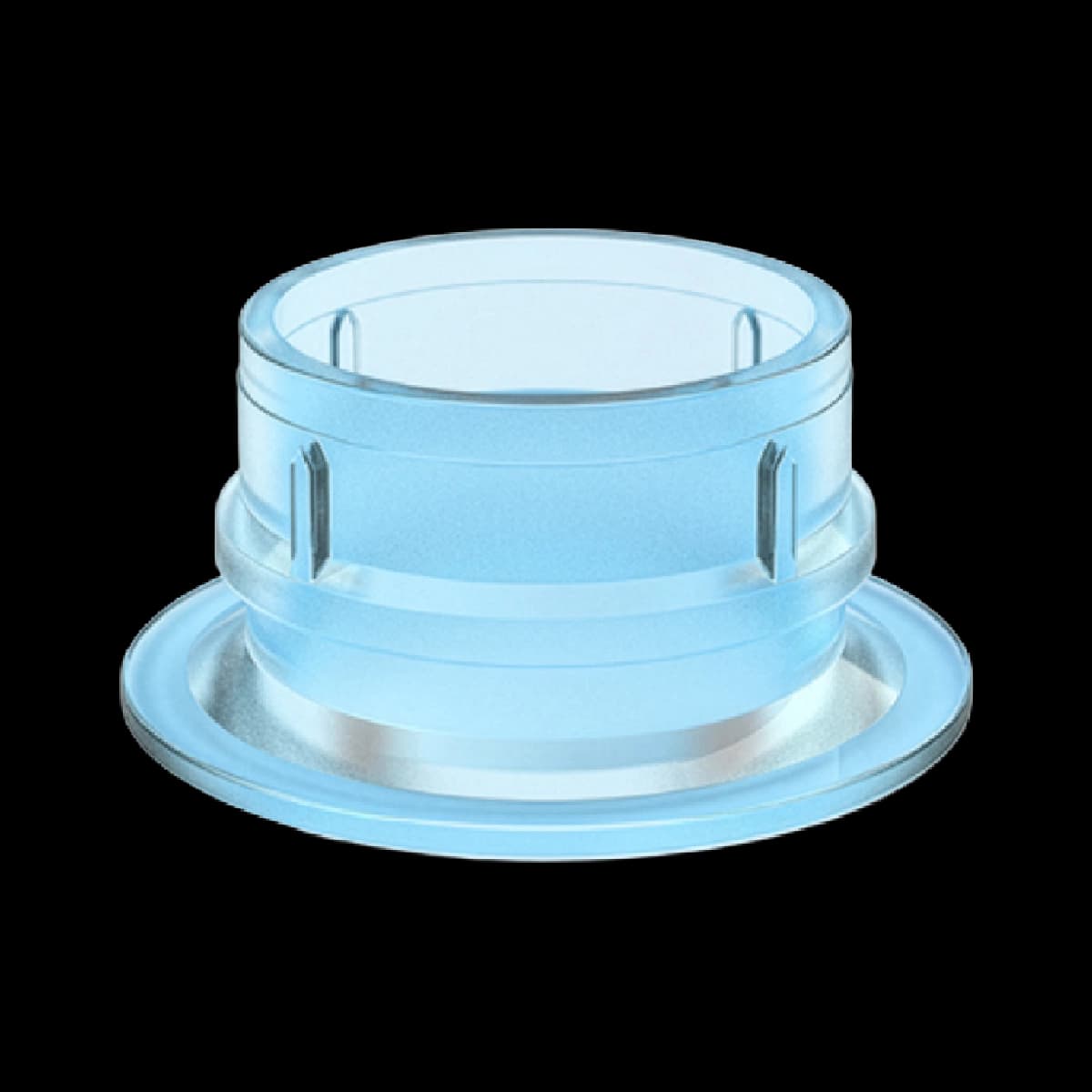
Easton: Specialist neck finish for hot-fill applications, providing enhanced sealing and thermal resistance for products like sauces and ready meals.
Crown Cork: Used for beer and carbonated beverages requiring metal crown caps and strong carbonation retention.
Petainer operates as a high-volume PET bottle manufacturer serving enterprise beverage, FMCG, and industrial brands. Our engineering focus ensures consistent dimensional stability and neck tolerances for high-speed automated filling lines, maximizing OEE across large-scale operations. By utilizing advanced lightweighting, we reduce material usage and logistics costs while maintaining structural integrity during palletisation and global distribution. For procurement teams sourcing PET bottles wholesale, our infrastructure provides the supply continuity and risk mitigation required to manage complex packaging programmes across multiple markets.
| Material | 100% recycled PET |
|---|---|
| Capacity | 500 ml – 1 L |
| Neck finish | 28mm BPF |
| Use case | Water, soft drinks, juice |
|---|---|
| Recyclability | Fully recyclable |
| Production | Lightweight molded design |
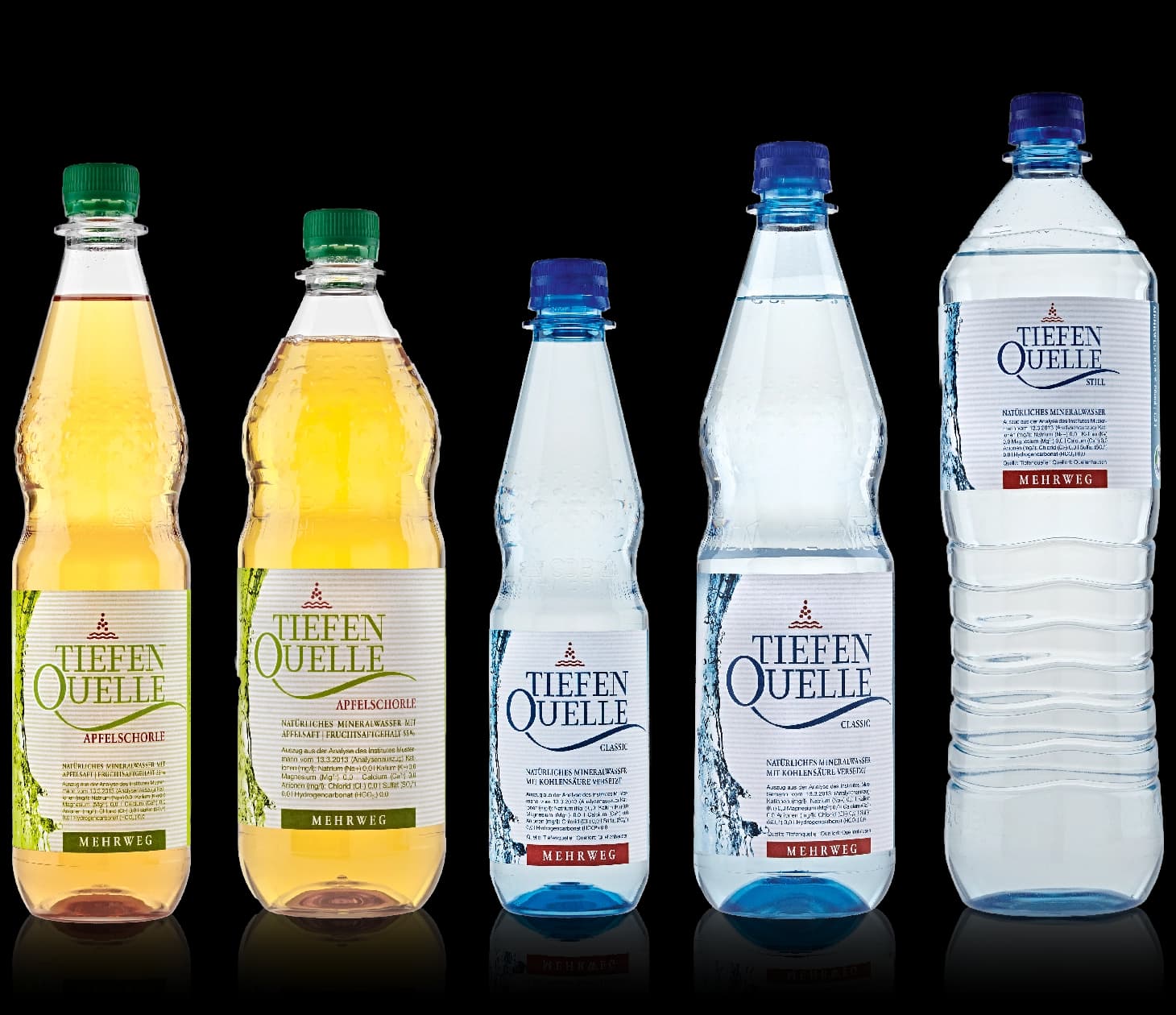
Petainer worked with German Wells Cooperative (GDB) to move reusable PET bottles to 30% rPET in the German market. The project strengthened an established returnable system, reduced bottle carbon footprint, and showed how recycled content can be introduced at scale without moving away from a proven refill model.
PET wine bottles are 80-90% lighter than glass, lowering shipping costs and reducing the total carbon footprint of a wine bottle by 42-50%.
PET wine bottles are optimized for "drink-young" wines (reds, whites, and rosés) and typically offer a shelf life of 6 to 12 months.
Yes, PET wine bottles often include UV inhibitors to prevent light strike, which protects the wine's aromatic profile from sulfur-related off-odors.
Blind tastings consistently show that PET is flavor-neutral and does not compromise the taste, aroma, or quality of the wine compared to glass.
Yes, they are compatible with standard metal or plastic screw caps (like BVS finishes), allowing for seamless integration with current bottling infrastructure.
es, using 30% or 100% rPET in wine bottles is a growing trend that appeals to eco-conscious consumers and reduces environmental impact.
Yes, their impact resistance makes them ideal for e-commerce shipping, outdoor events, airline catering, and glass-free zones.