For high-volume beverage and food producers, the selection of a primary resin is a hedge against both physical product degradation and escalating fiscal penalties. PET plastic (polyethylene terephthalate) remains the industrial standard not merely for its clarity, but for its gas barrier performance and established recycling infrastructure.
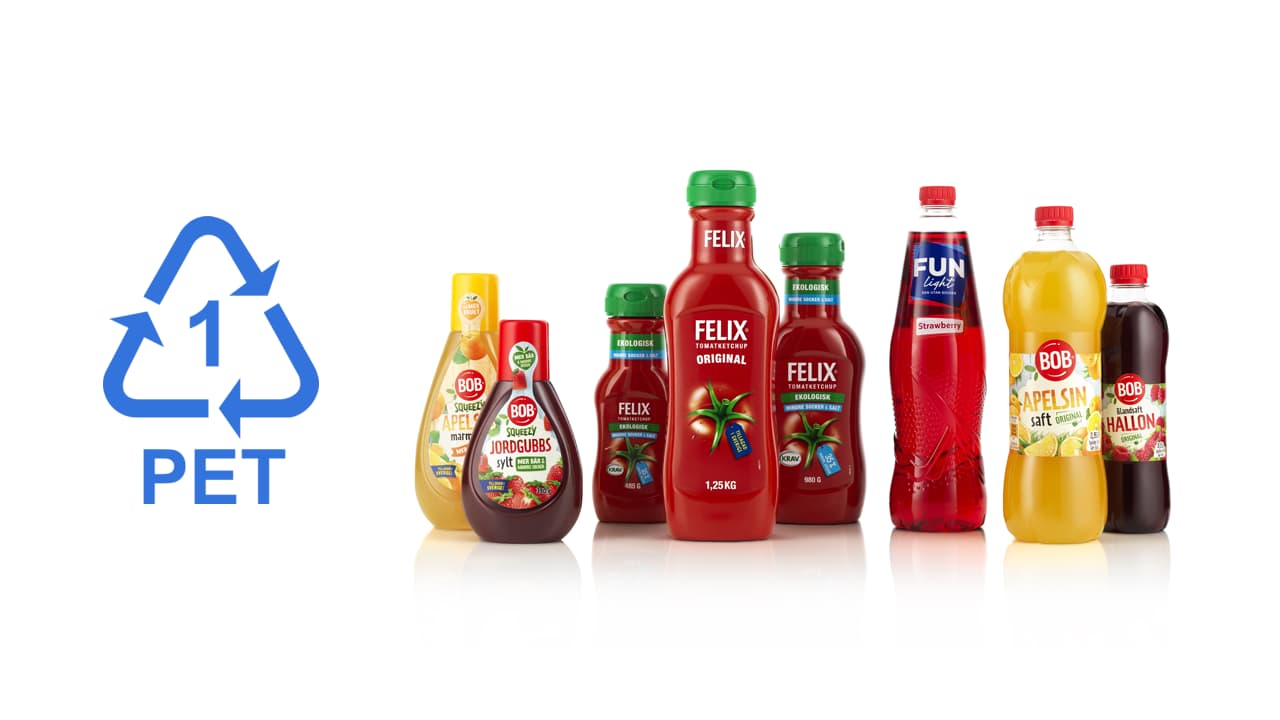
As global EPR (Extended Producer Responsibility) fees increase, the ability to transition from virgin resin to 100% rPET becomes a critical tool for cost avoidance. We engineer our PET plastic preforms and containers to maximize the material's inherent high strength-to-weight ratio, allowing for aggressive lightweighting that directly reduces both plastic tax liabilities and transportation overheads.
While polymers like PVC, PE, and PP are ubiquitous, they rarely match the combined mechanical and barrier properties required for carbonated or oxygen-sensitive products. PET plastic is a semi-crystalline thermoplastic that, when biaxially oriented during the stretch blow molding process, achieves a glass-like clarity and significant tensile strength.
From an engineering perspective, the molecular structure of PET allows us to maintain internal pressures for carbonated beverages that would cause creep or failure in polyolefins. Furthermore, the packaging regulations surrounding food contact are increasingly stringent; PET is a non-reactive, BPA-free polymer with broad FDA and EU compliance, making it the lower-risk choice for sensitive SKUs.
| Property | PET (Polyethylene Terephthalate) | PP (Polypropylene) | HDPE (High-Density Polyethylene) |
|---|---|---|---|
| Clarity | Transparent (Glass-like) | Translucent/Opaque | Opaque |
| Recycling Stream | Highly Mature (Grade 1) | Improving (Grade 5) | Mature (Grade 2) |
| Processing | Injection Stretch Blow Molding | Injection Molding/Extrusion | Extrusion Blow Molding |
| Max rPET/Recycled % | Up to 100% | Limited in food-grade | Limited in food-grade |
| CO2/O2 Barrier | High | Low | Low |
The mechanical advantage of PET lies in its strain-hardening behavior during blowing. This allows us to achieve wall thicknesses in the microns while maintaining the top-load strength required for modern high-speed filling lines.
Petainer Engineering Team
The choice of PET plastic is increasingly driven by the "So What?" of business outcomes: tax mitigation. With many European and North American jurisdictions now enforcing a minimum of 25% or 30% recycled content, or levying taxes on virgin plastic weight, PET provides the most straightforward path to compliance.
Because PET has the most developed materials and sustainability infrastructure, sourcing food-grade rPET is more predictable than sourcing food-grade recycled PP or LDPE. By optimizing a bottle's gram-weight through precise preform design, we help partners reduce their total tonnage of plastic placed on the market.
A common misconception in the industry is that all plastics carry the same risk of leaching. PET is chemically inert. Unlike PVC, which may require plasticizers like phthalates, or other resins that may contain BPA, PET is a stable polyester. This stability is why we recommend it for packaging technology where product purity is paramount, such as premium mineral waters or cold-pressed juices.
For brands utilizing High-Pressure Processing (HPP), PET's robustness is essential. It maintains seal integrity and structural form under pressures that would compromise the crystalline structure of less resilient plastics.
Yes. Unlike multi-material laminates or certain colored resins that "downcycle" into textiles or park benches, clear PET can be recycled back into food-grade bottles in a closed-loop system.
Because of its high strength, PET containers can be manufactured with thinner walls than HDPE or glass. This lightweighting reduces the total weight of a pallet, lowering fuel consumption and logistics and costs per unit shipped.
Standard PET has a glass transition temperature that requires specific "Heat Set" engineering to handle hot-filling. We provide specialized preforms designed to withstand these temperatures without deformation.
Selecting PET plastic is a strategic decision to balance mechanical performance with environmental accountability. By leveraging the material's recyclability and our engineering-led approach to lightweighting, brands can secure their supply chains against both physical failure and regulatory cost increases.