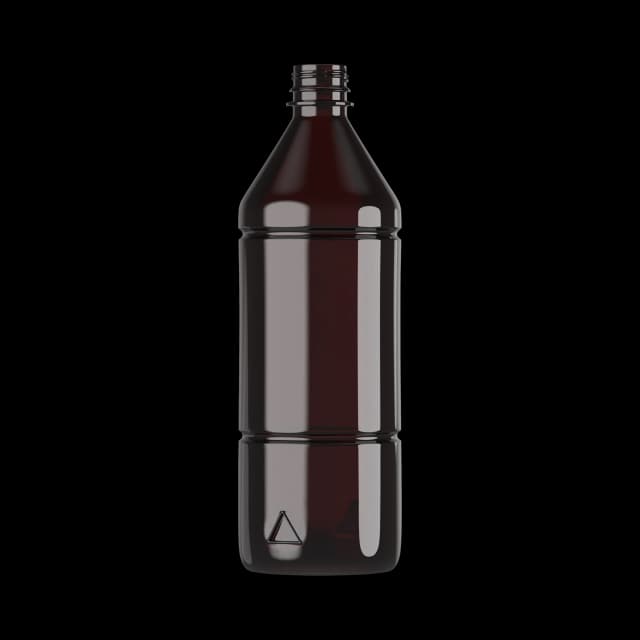
PetainerのPETプラスチック化学ボトルは、アルコールやスピリットベースの溶液を安全に保管・輸送するための理想的なソリューションです。危険物包装の認証を受けたこれらの多用途ボトルは、多様なニーズに応えるさまざまな形状とサイズで利用可能です。ADR/RID基準を満たすよう設計されており、ホワイトスピリット(UN1300)やバイオエタノール(UN1987)などの包装グループIIおよびIIIに対応しています。当社のボトルは、安全な保管を保証しながら、軽量で耐久性があり、従来のガラス容器に代わる環境に優しい選択肢を提供します。
PETプラスチック化学ボトルは、軽量で耐久性があり、化学抵抗性が高く、持続可能性を兼ね備えています。化学物質の保管と輸送のための安全で実用的な選択肢として際立つ理由をご紹介します:
軽量で割れにくいPETボトルで取り扱いを簡素化。
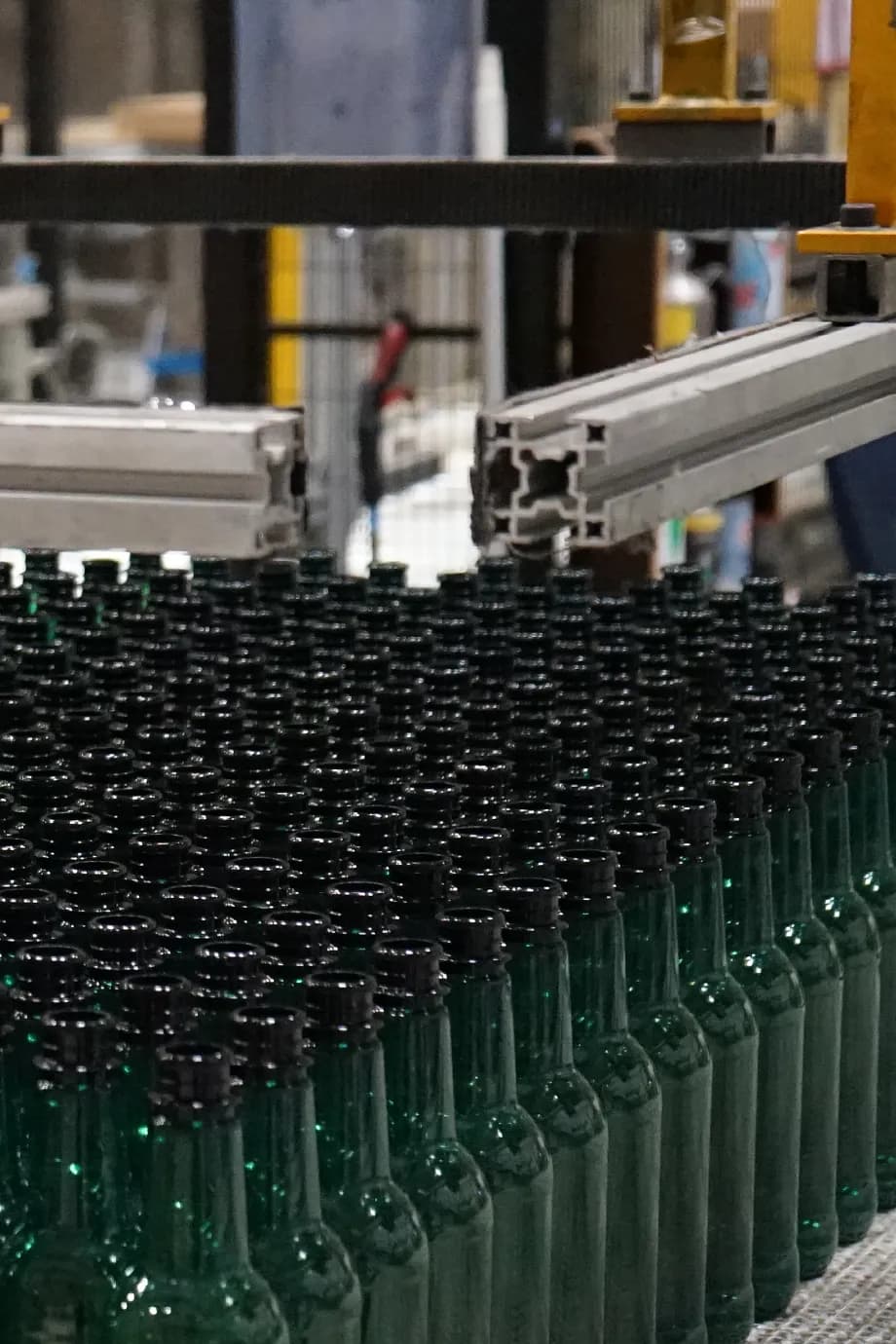
安全な密封性と持続可能な素材。
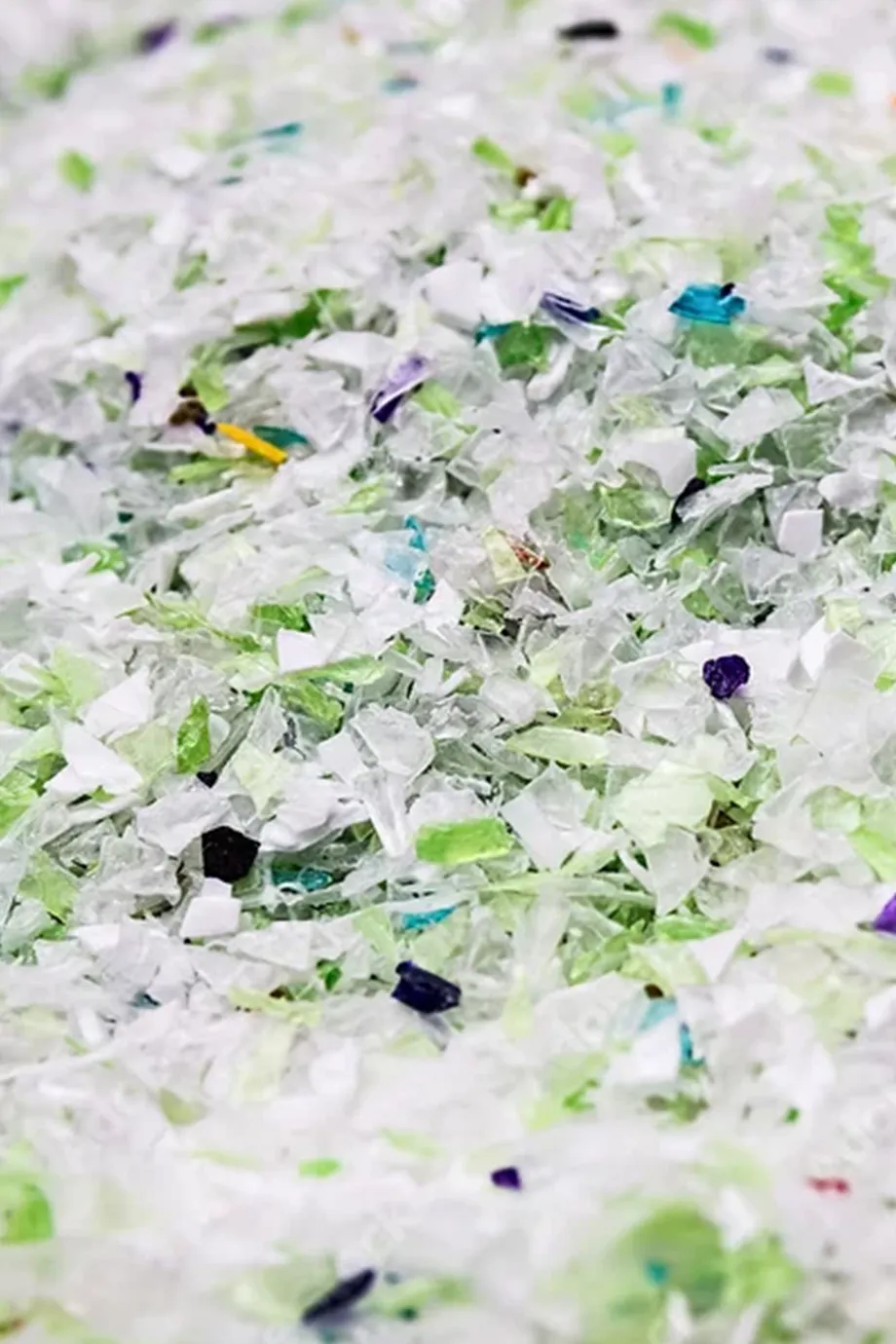
アルコールやスピリットベースの溶液などに対応。
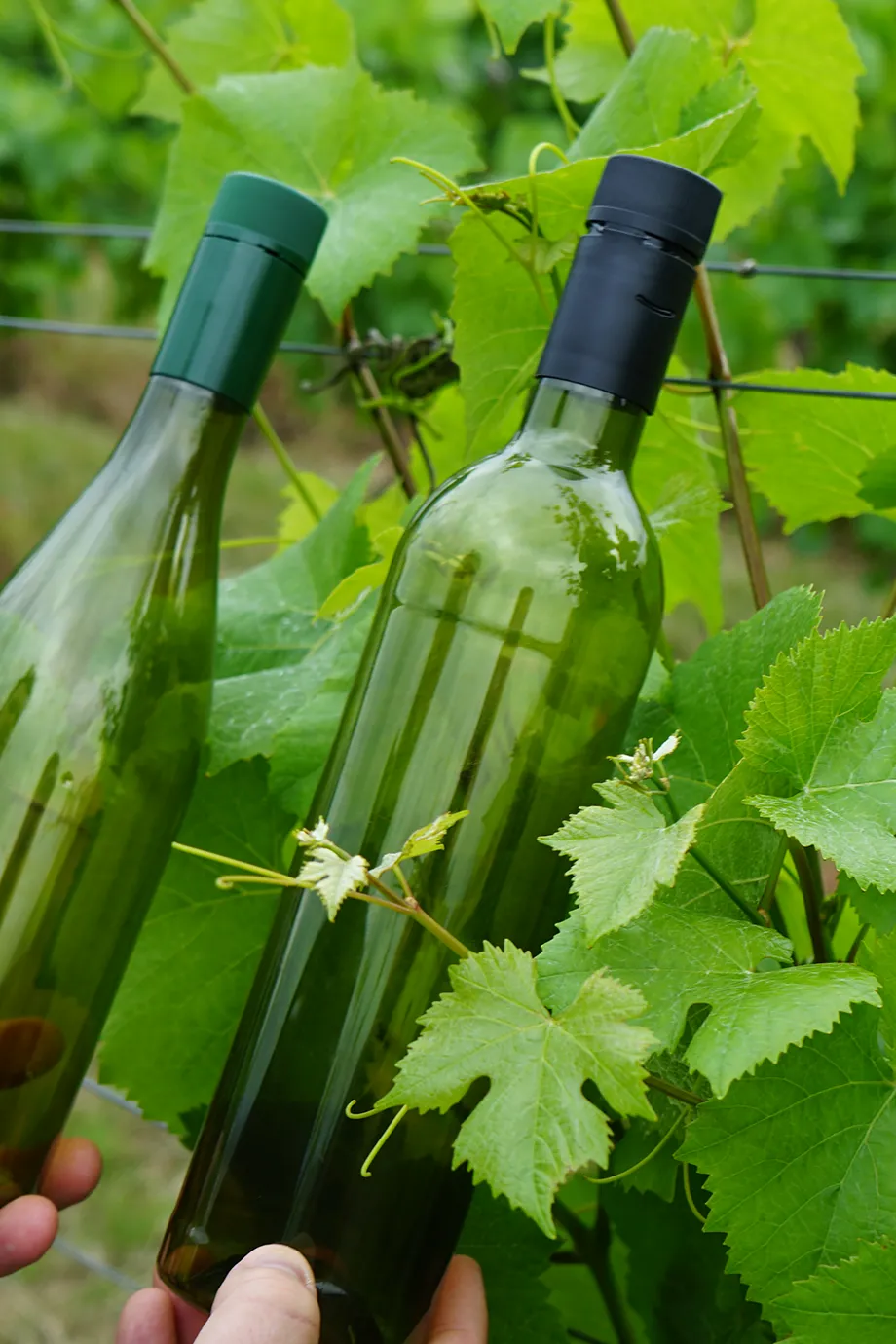
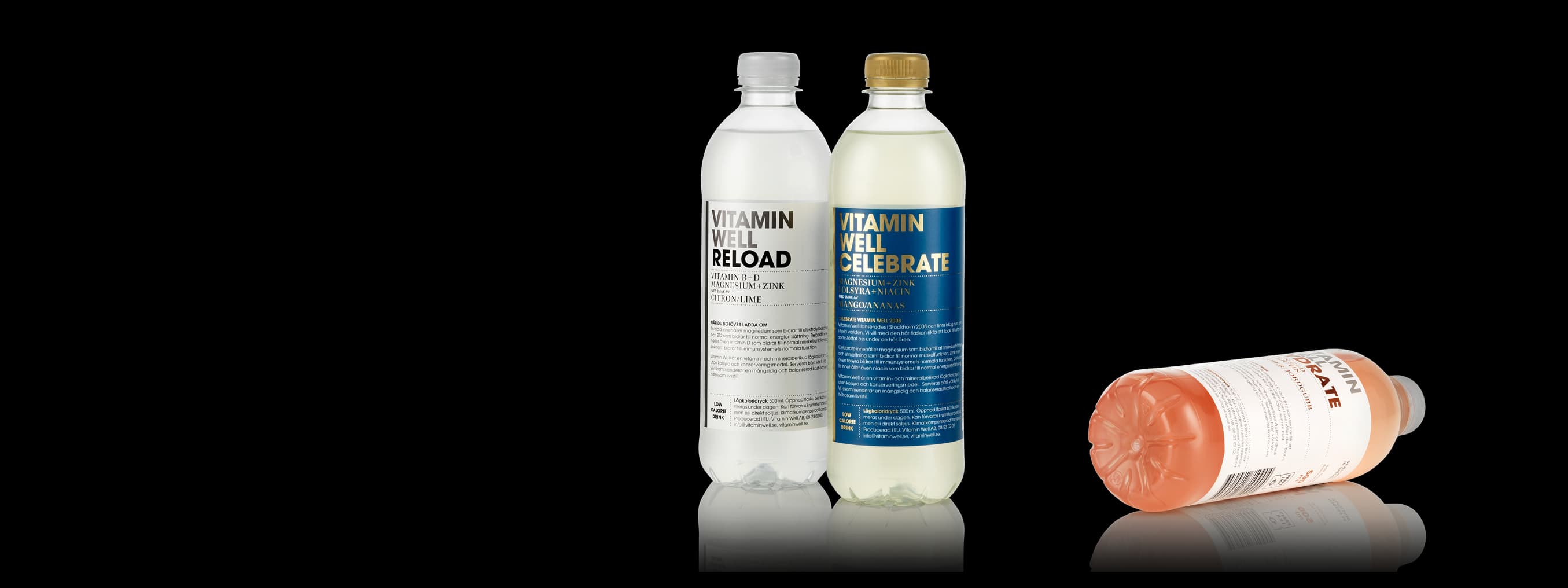
Petainer PET bottles are designed with CETIE standard Neck Finishes. Depending on your existing fitting, or lightweighting interest, Petainer's standard range offers a solution.
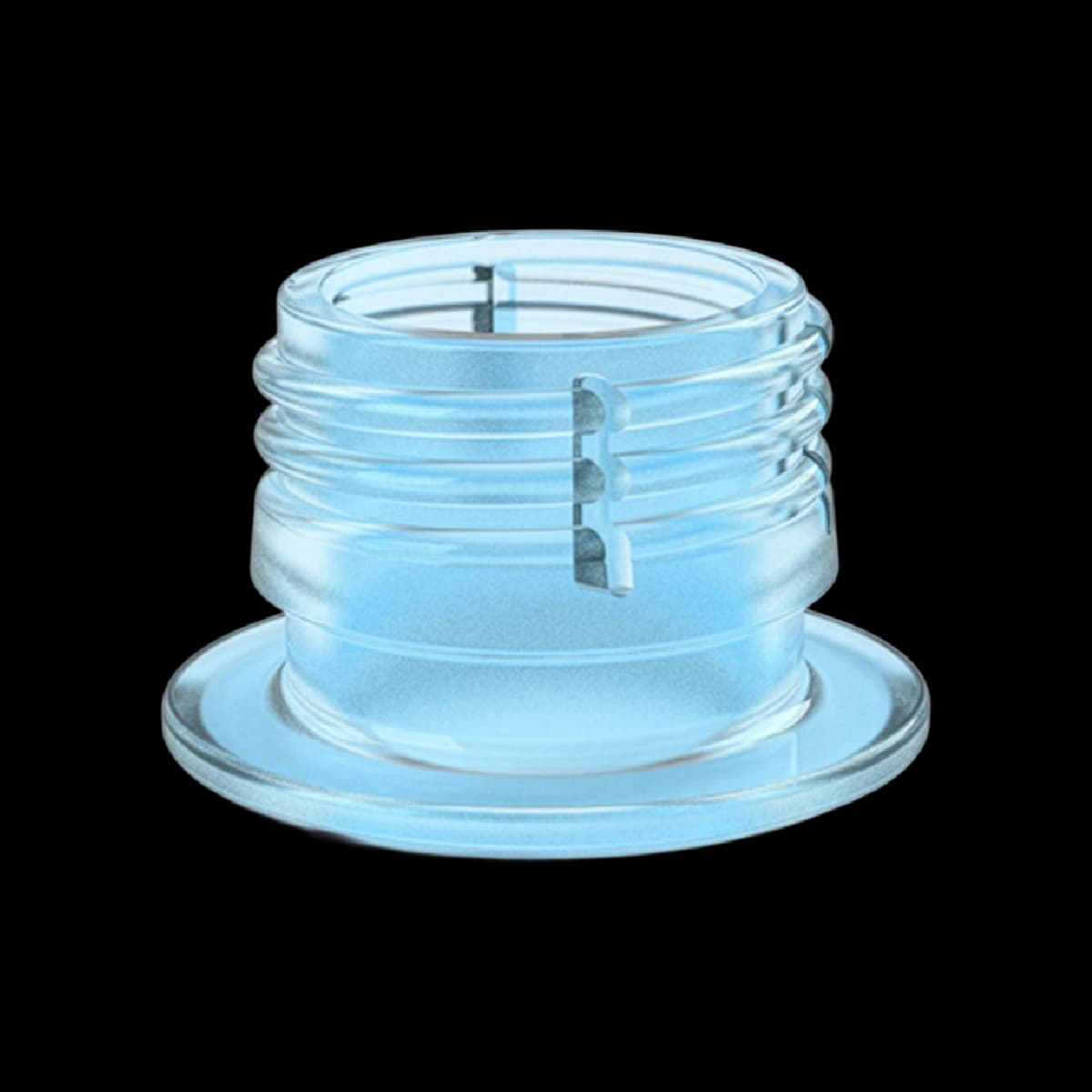
28mm BPF: Neck finish for beverage bottles requiring reliable sealing and compatibility with standard screw caps.
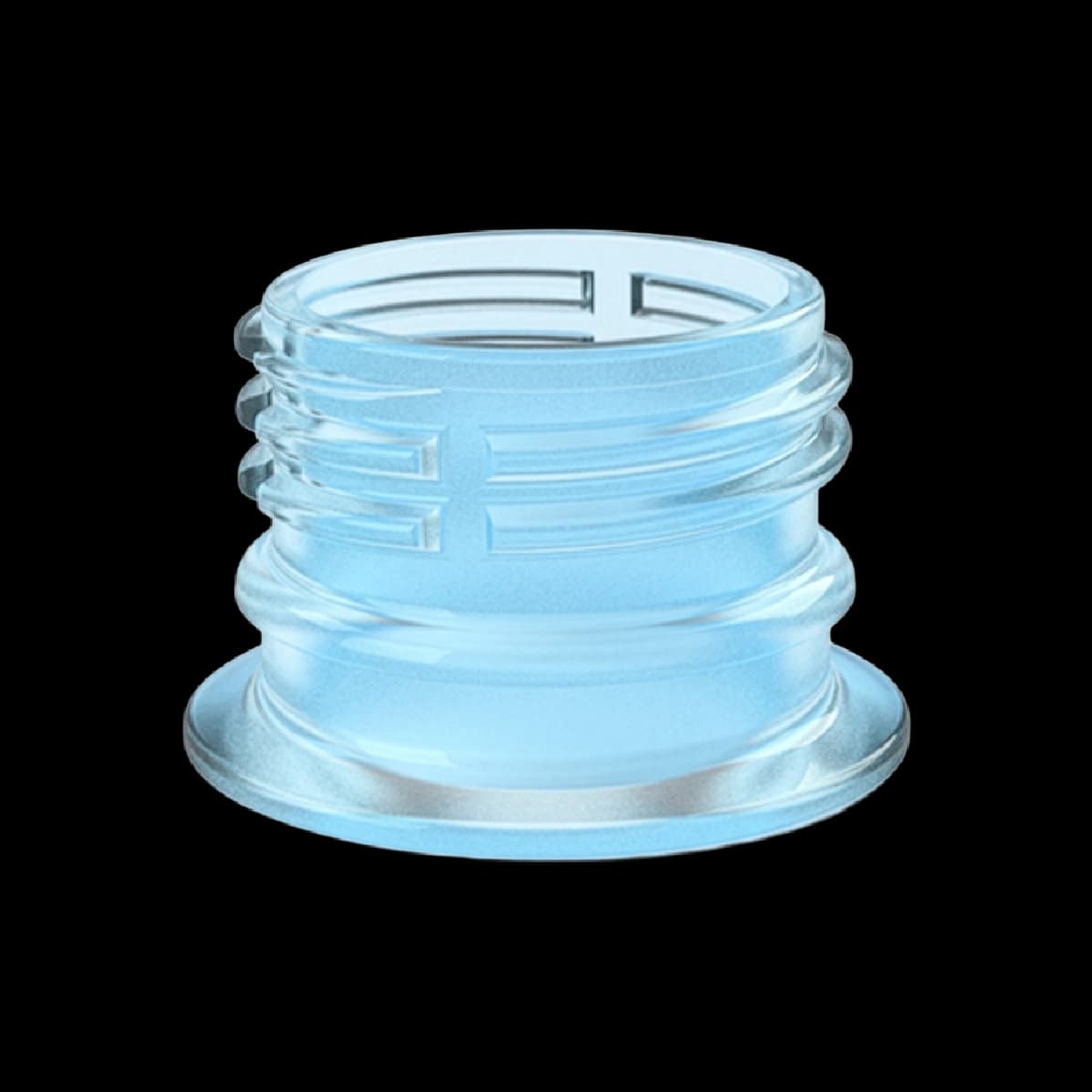
28mm PCO 1810: Lightweight finish developed for carbonated soft drinks and water, reducing material use while maintaining pressure resistance.
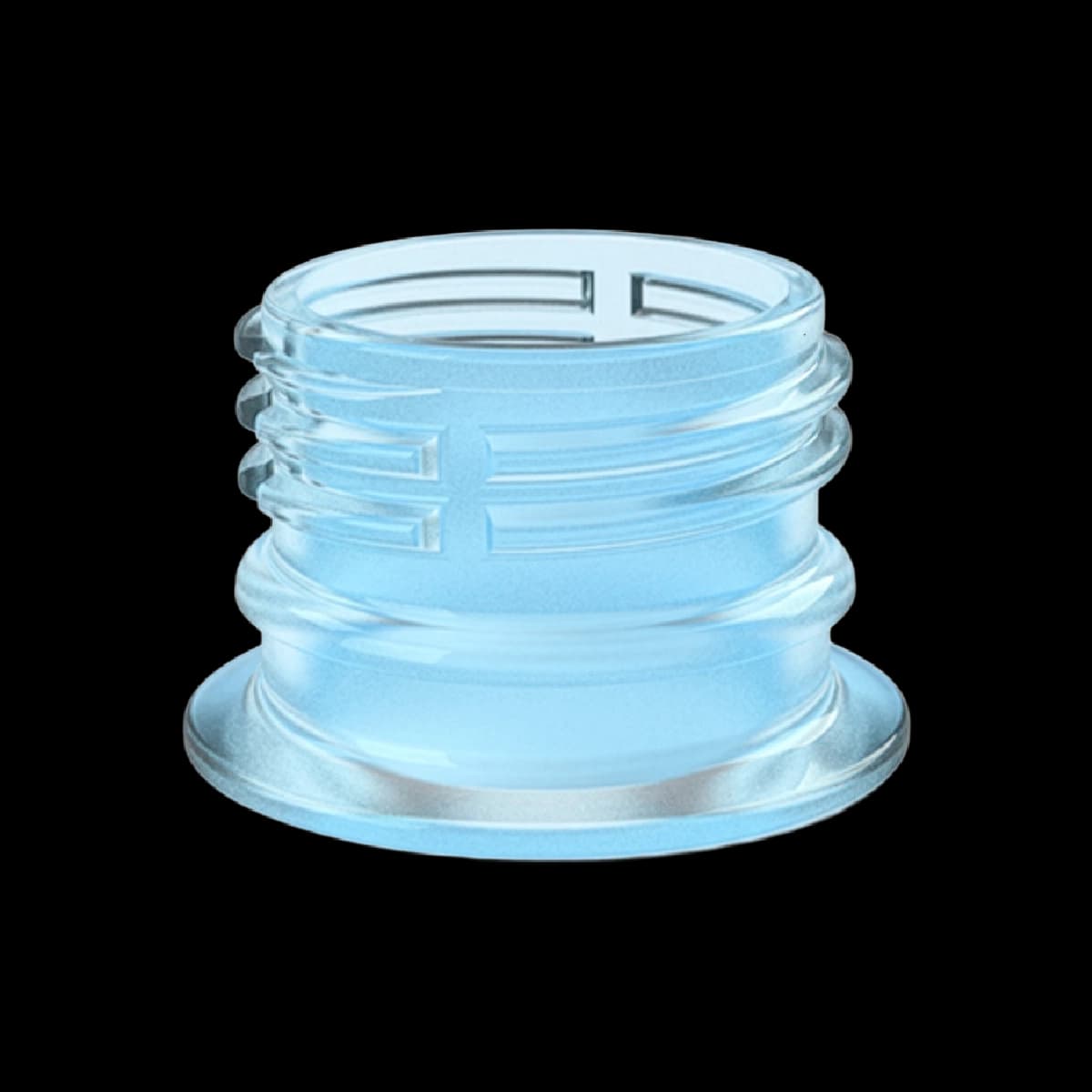
28mm PCO 1881: Global standard for CSD bottles, enabling further lightweighting and improved sustainability performance.
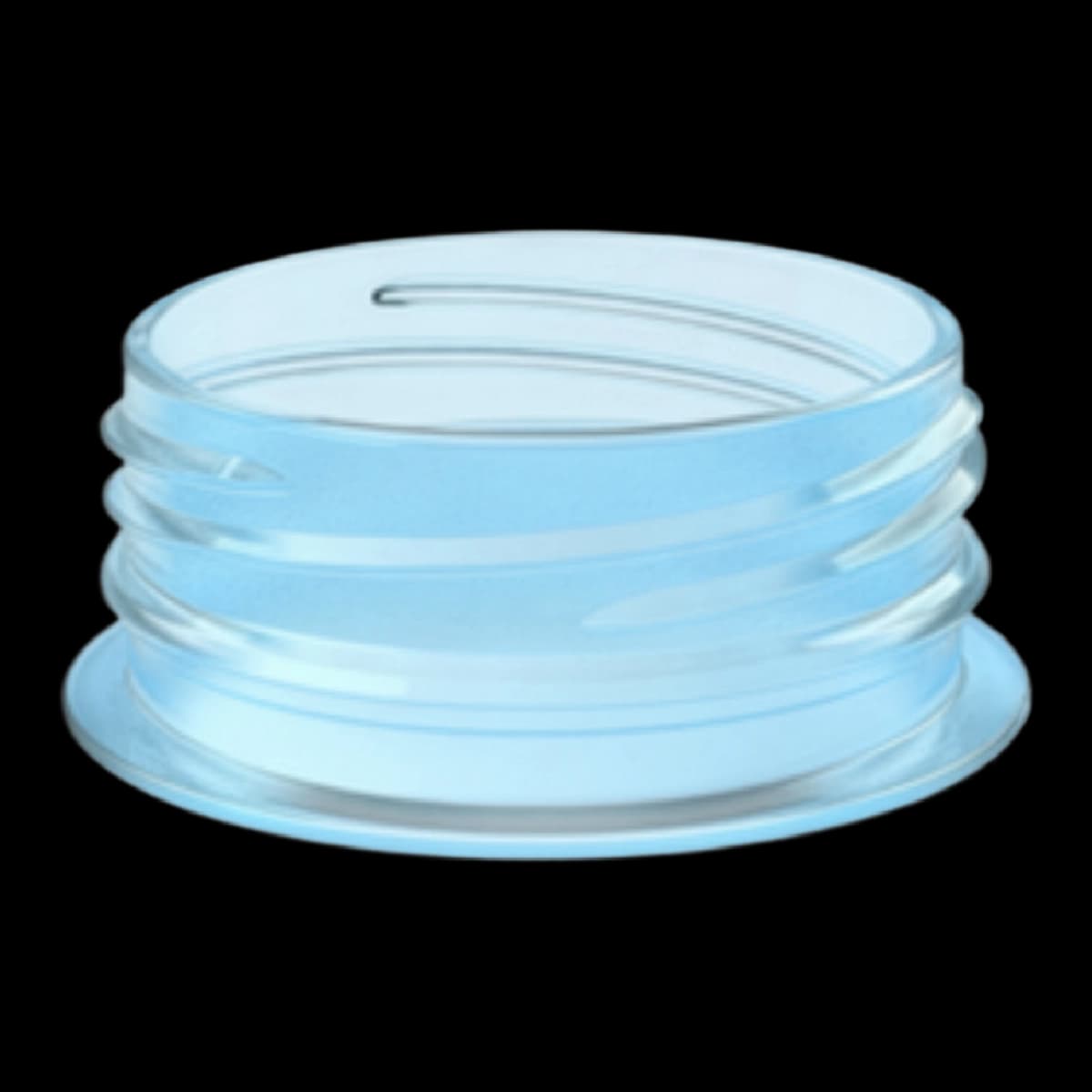
38mm DBJ: Suitable for juice, dairy, and functional beverages, supporting tamper-evident closures and wider pouring.
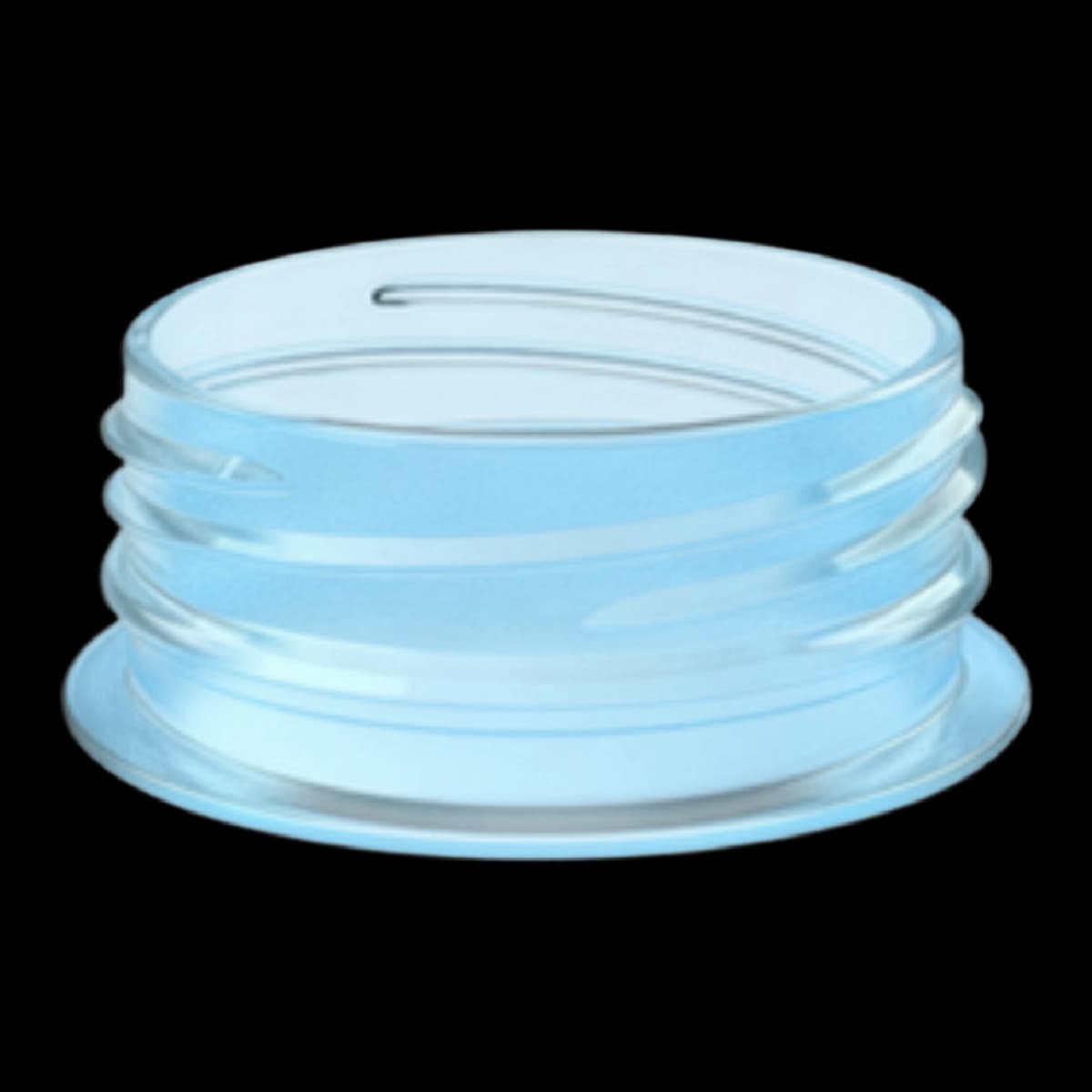
38mm SP400: Multi-purpose neck finish for beverages, food, and household liquids, compatible with screw caps.
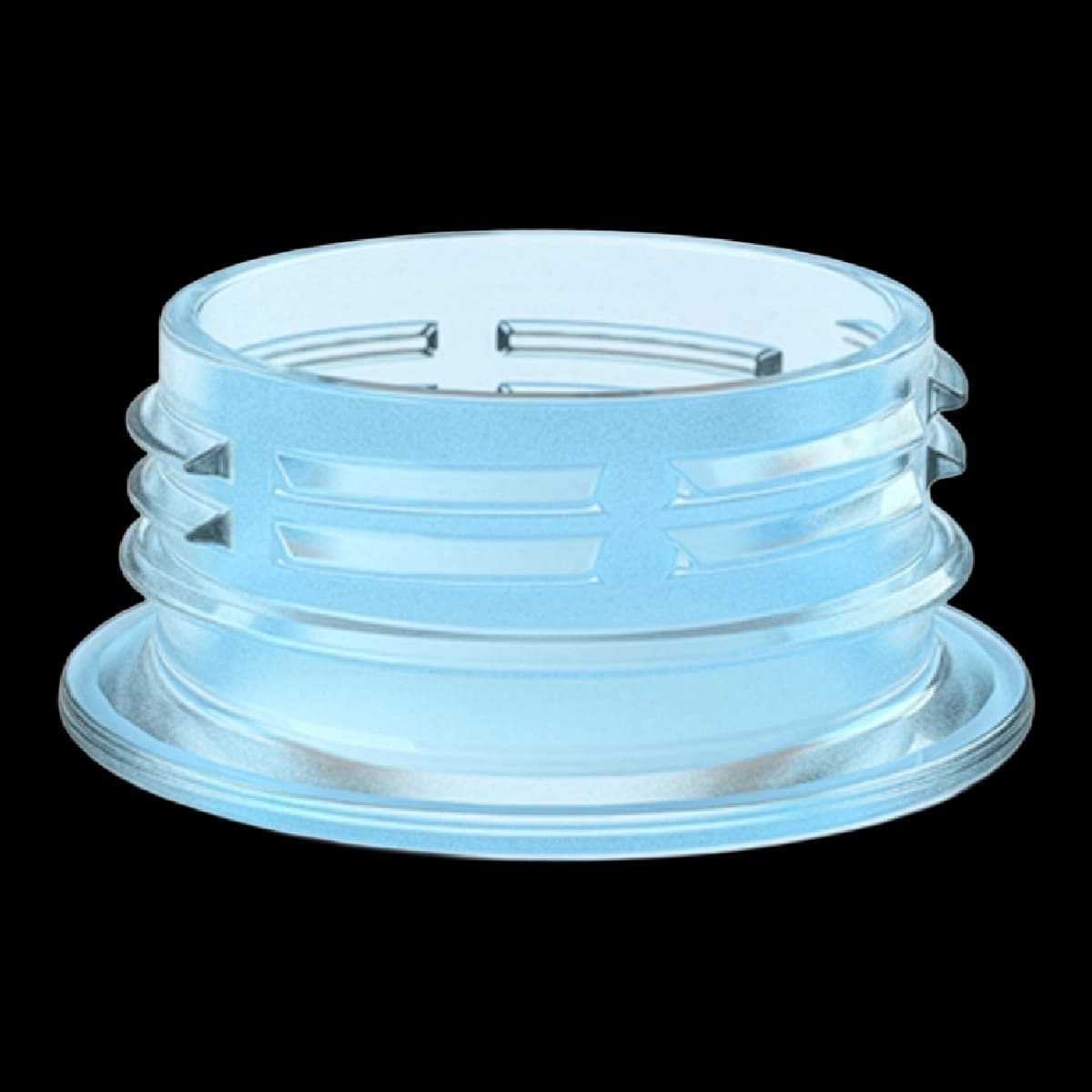
26/22 GME: Designed for water and carbonated soft drinks, compatible with lightweight tethered closures for improved circularity.
BVS 30H60: Designed for spirits and wine bottles, compatible with tamper-evident aluminium closures.
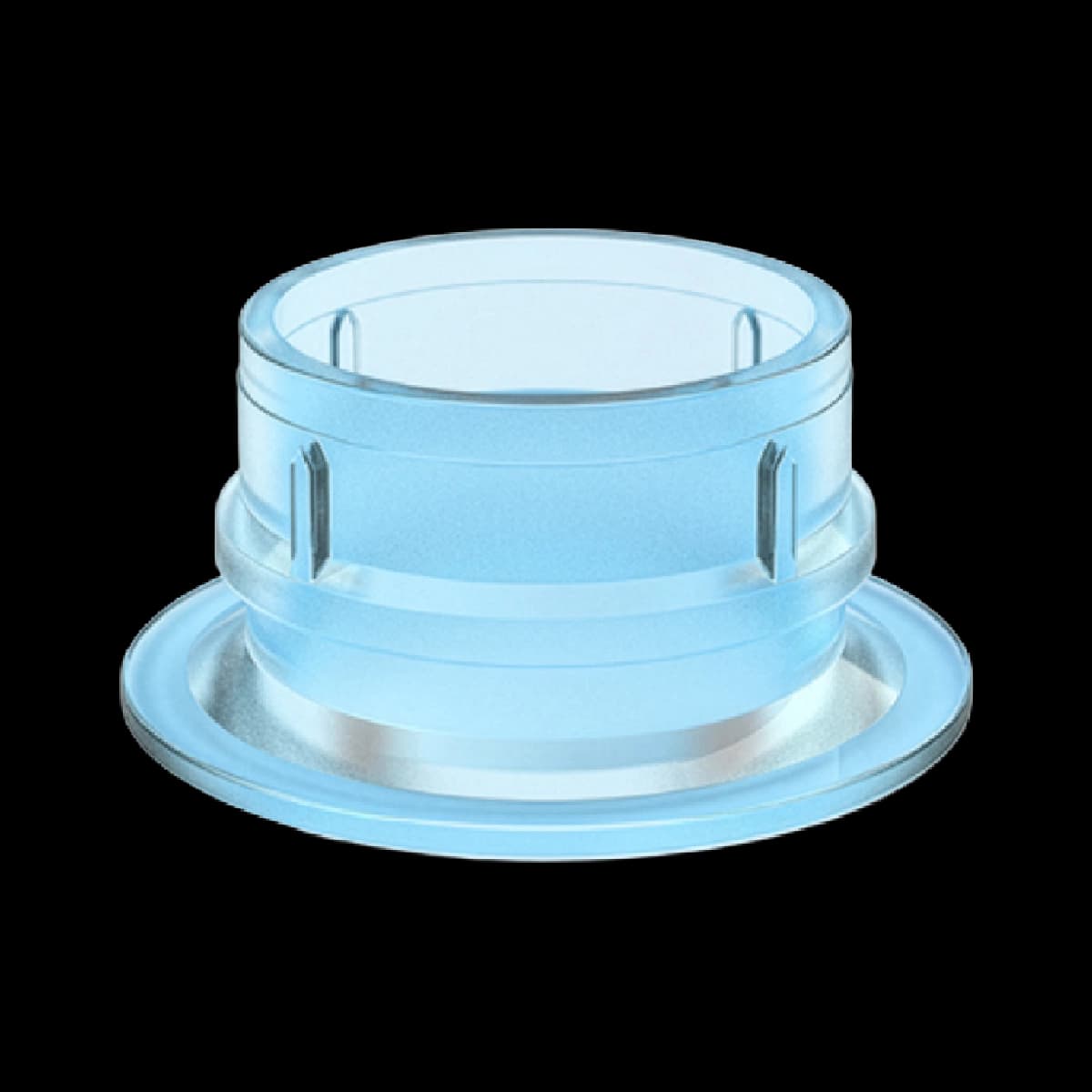
Easton: Specialist neck finish for hot-fill applications, providing enhanced sealing and thermal resistance for products like sauces and ready meals.
Crown Cork: Used for beer and carbonated beverages requiring metal crown caps and strong carbonation retention.
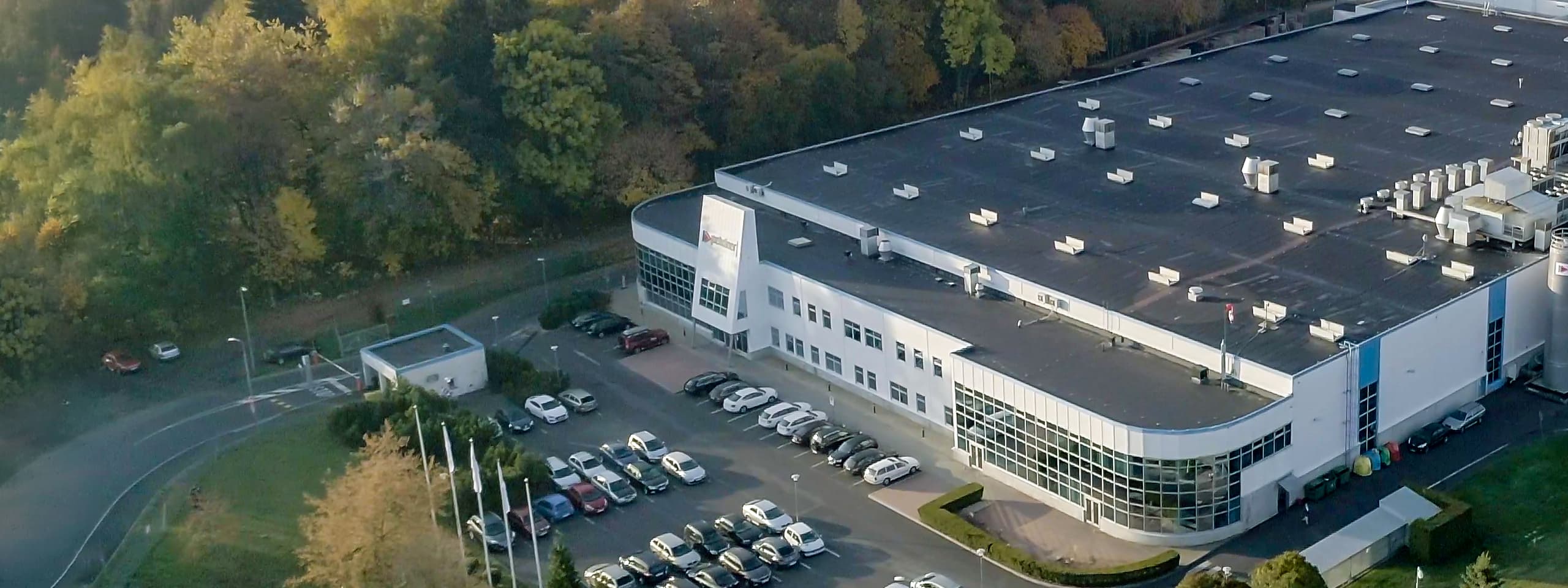
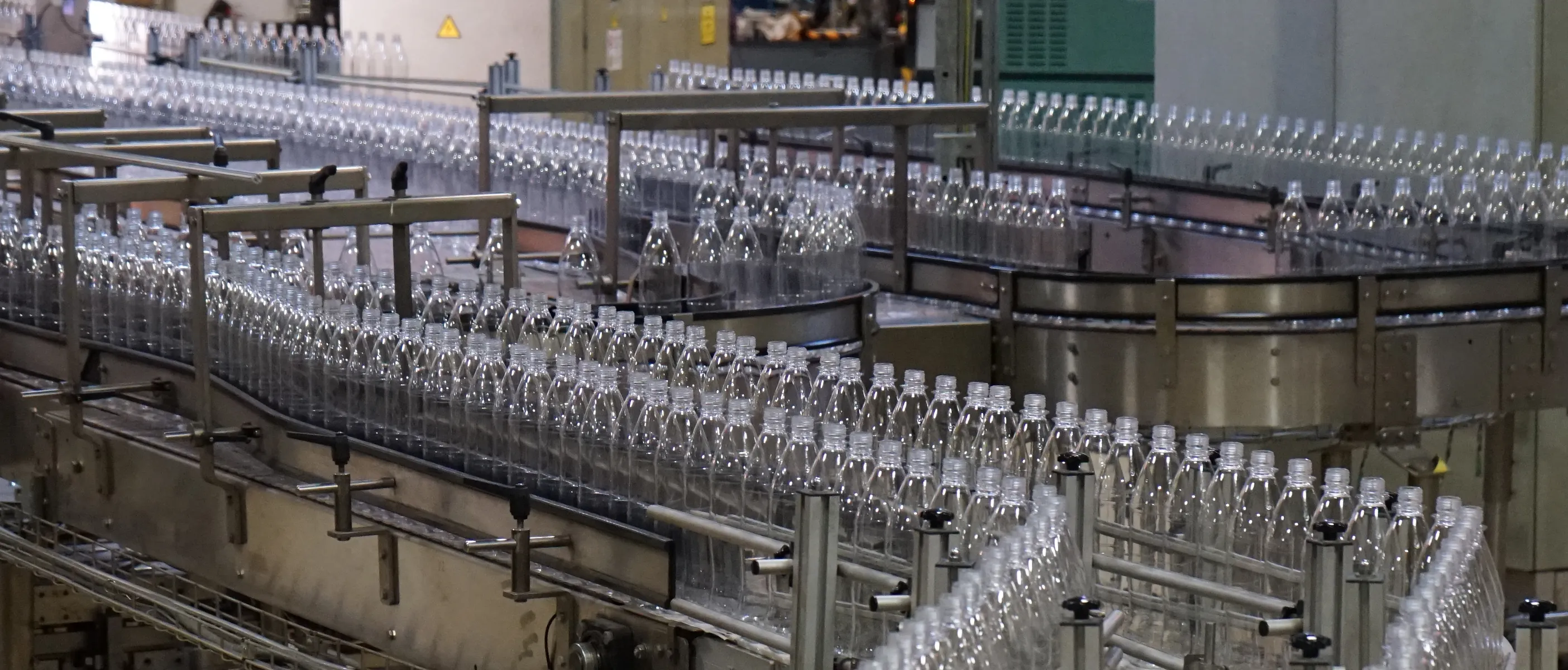
Petainer operates as a high-volume PET bottle manufacturer serving enterprise beverage, FMCG, and industrial brands. Our engineering focus ensures consistent dimensional stability and neck tolerances for high-speed automated filling lines, maximizing OEE across large-scale operations. By utilizing advanced lightweighting, we reduce material usage and logistics costs while maintaining structural integrity during palletisation and global distribution. For procurement teams sourcing PET bottles wholesale, our infrastructure provides the supply continuity and risk mitigation required to manage complex packaging programmes across multiple markets.
| Material | 100% recycled PET |
|---|---|
| Capacity | 500 ml – 1 L |
| Neck finish | 28mm BPF |
| Use case | Water, soft drinks, juice |
|---|---|
| Recyclability | Fully recyclable |
| Production | Lightweight molded design |
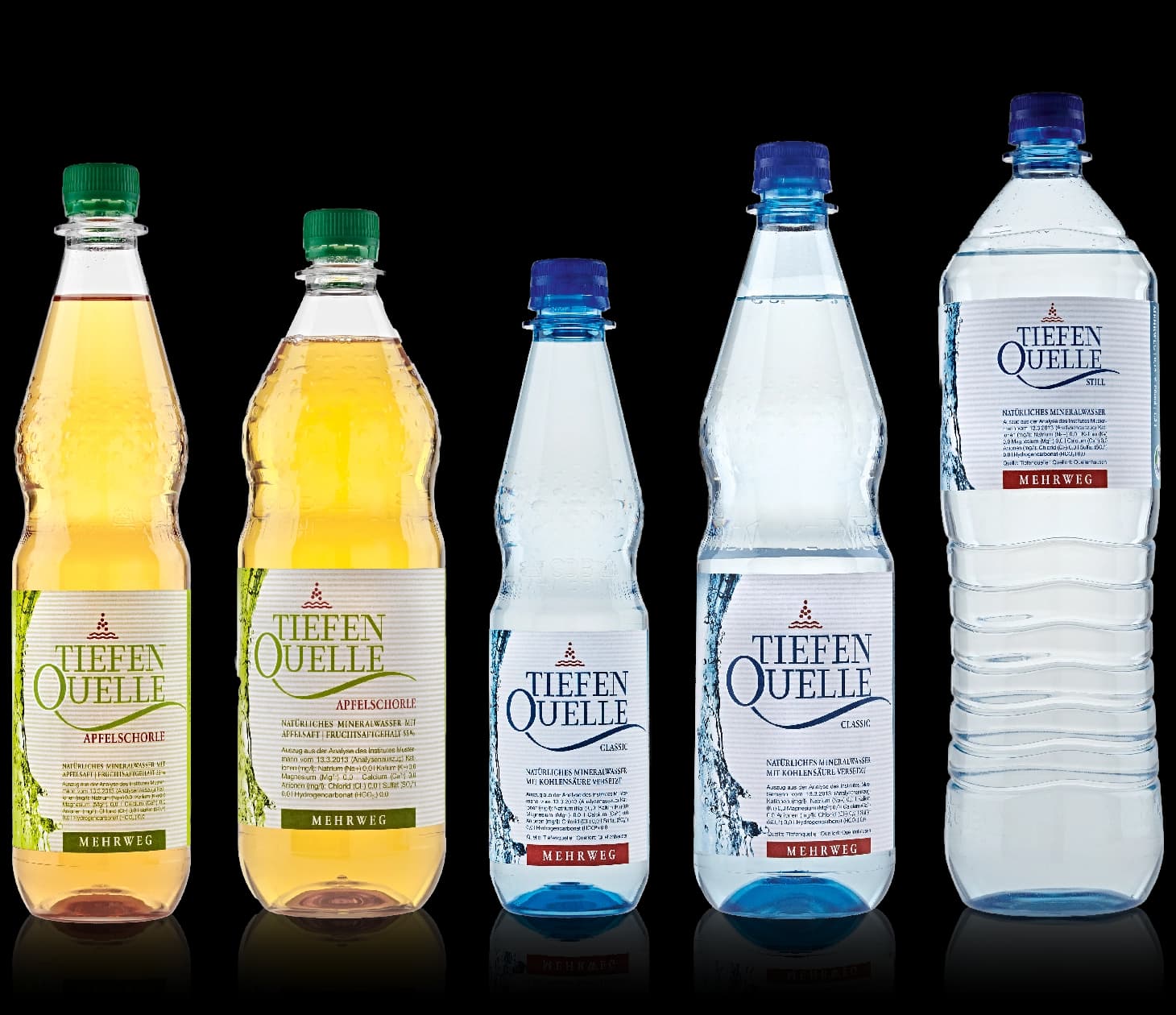
Petainer worked with German Wells Cooperative (GDB) to move reusable PET bottles to 30% rPET in the German market. The project strengthened an established returnable system, reduced bottle carbon footprint, and showed how recycled content can be introduced at scale without moving away from a proven refill model.
当社のPETプラスチック製化学ボトルは、適合性と安全性のためにADR/RID基準を満たすよう設計されています。包装グループIIおよびIIIに認証されており、ホワイトスピリット(UN1300)やバイオエタノール(UN1987)などの物質に対応しています。
当社のボトルは、安全な内容物の保持を確保すると同時に、従来のガラス容器に代わる軽量で耐久性があり、環境に優しいオプションを提供します。
Our bottles ensure secure containment while offering a lightweight, durable, and eco-friendly alternative to traditional glass containers.
UN certification is essential for transporting hazardous goods; manufacturers must provide bottles that have passed rigorous drop, pressure, and stack tests for safety compliance.
PET offers good resistance to many solvents, but compatibility testing is always recommended for highly aggressive industrial chemicals.
Yes, but for hazardous chemicals, the rPET must still meet all UN performance standards for strength and integrity.
High-quality PET combined with precision-engineered neck finishes and induction-sealed liners ensures a leak-proof seal during transport.