La Unión Europea ha confirmado el Reglamento sobre Envases y Residuos de Envases (PPWR), representando un paso histórico hacia la reducción de residuos de envases y el aumento de la sostenibilidad. Uno de los enfoques clave de la legislación es el cambio hacia la reutilización, con objetivos claros para aumentar el uso de envases reutilizables en bebidas. A medida que la UE avanza hacia una economía circular, el PPWR establece normas claras que transformarán la industria de bebidas, llevándola a un sistema dual de plásticos de un solo uso y envases reutilizables. Este artículo describe las disposiciones clave del PPWR relacionadas con la reutilización de bebidas y el PET reutilizable, y ofrece una visión general del calendario legislativo secundario.
Este apartado establece objetivos ambiciosos tanto para la reutilización como para el reciclaje. Para las bebidas, especifica que el 10 % deben estar disponibles en envases reutilizables para 2030. Esta cifra aumentará al 40 % en 2040, aunque se confirmará una vez que se analicen los datos de la fase del 10 %. Las bebidas incluidas en los objetivos de reutilización son agua mineral, refrescos carbonatados y cerveza, pero se excluyen los productos lácteos, el vino y los licores. La responsabilidad de cumplir con estos objetivos recae en los minoristas, pero no se les permitirá hacerlo únicamente con sus marcas propias, lo que abre el mercado de la reutilización a todas las marcas. En el caso de las bebidas, las botellas de PET reutilizables se han utilizado con éxito durante años en Sudamérica y Alemania. Al ser más ligeras que sus equivalentes de vidrio, son más fáciles de transportar y, en general, preferidas por los consumidores que compran en grandes cantidades.
Los Estados miembros deberán tomar medidas para fomentar la creación de sistemas de reutilización con incentivos suficientes para la devolución, ya sea mediante un sistema de depósito, un incentivo económico u otro mecanismo. Esto es clave para garantizar que la inversión realizada por minoristas y marcas en reutilización valga la pena y que los consumidores comprendan sus beneficios.
La UE ha promovido activamente el envase reutilizable como una prioridad legislativa porque está demostrado que reduce la huella de carbono, el consumo de materiales, el uso de agua y los costes tanto para marcas como para consumidores.
El artículo 7 aborda la necesidad de incluir contenido reciclado de alta calidad en los productos. Para 2030, las piezas de plástico del envase deberán contener material reciclado, a menos que pesen menos del 5 % del total del envase. La UE también legislará sobre el número de usos que debe soportar una botella para ser clasificada como reutilizable.
Saber cómo desechar correctamente un envase aumenta las posibilidades de que sea reciclado. Para los consumidores, recibir una indicación clara es esencial, y este artículo define cómo los nuevos requisitos de etiquetado ayudarán a lograrlo. Todos los envases de bebidas deberán incluir un código QR visible o grabado en la etiqueta. Este código QR deberá contener información sobre la composición del producto e instrucciones para su eliminación, incluyendo datos del sistema de depósito correspondiente y el contenido reciclado total. En el caso de los envases reutilizables, el código QR deberá incluir datos adicionales sobre el número estimado de reutilizaciones que puede soportar el envase y el sistema de reutilización al que pertenece.
Este artículo introduce requisitos para establecer sistemas de recogida y devolución para envases reutilizables. Para el 1 de enero de 2029, los Estados miembros deberán implementar un sistema de depósito y devolución (a menos que la tasa de recogida supere el 80 % en 2026). Existe una excepción adicional: un Estado miembro podrá quedar exento si presenta un plan claro para alcanzar una tasa de recogida del 90 %. En los mercados donde ya existe la reutilización, los sistemas de depósito funcionan como sistemas duales que recogen envases reutilizables y de un solo uso. El sistema de depósito es un incentivo probado para que los consumidores devuelvan las botellas, lo que permite su reutilización varias veces. Las botellas de PET reutilizables serán fundamentales en estos sistemas, ya que son duraderas, rentables y fáciles de limpiar y reutilizar.
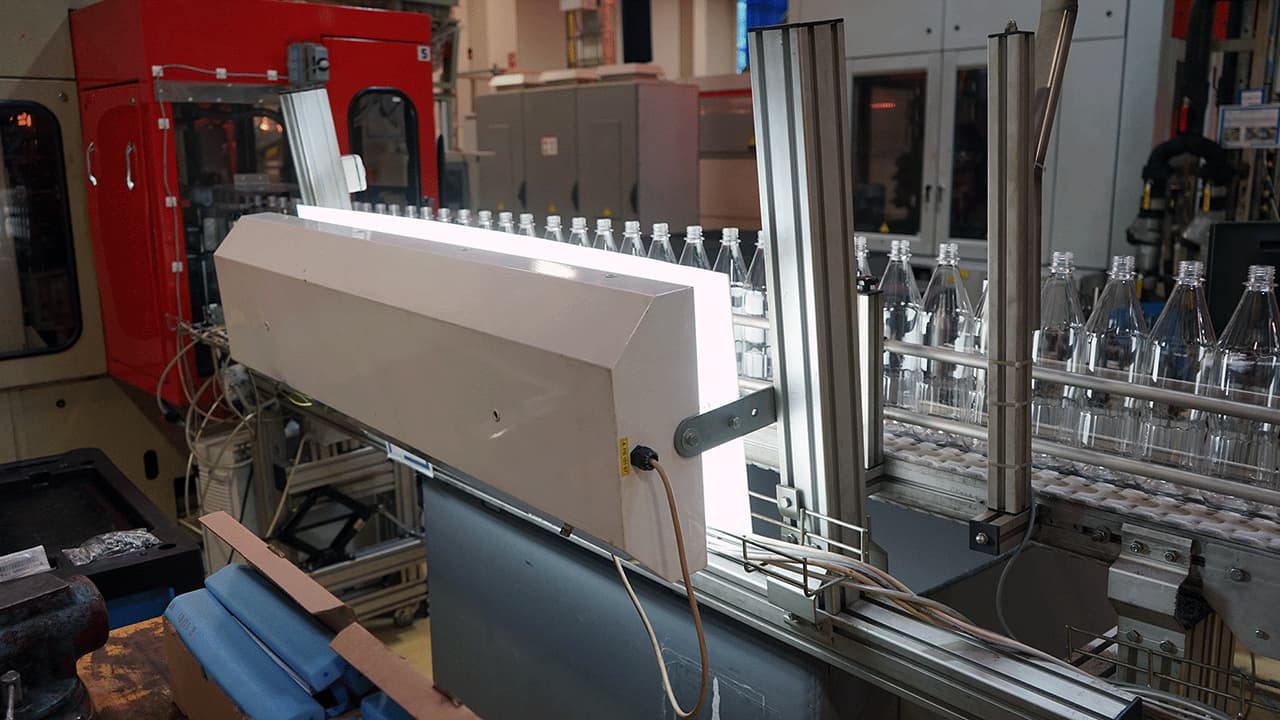
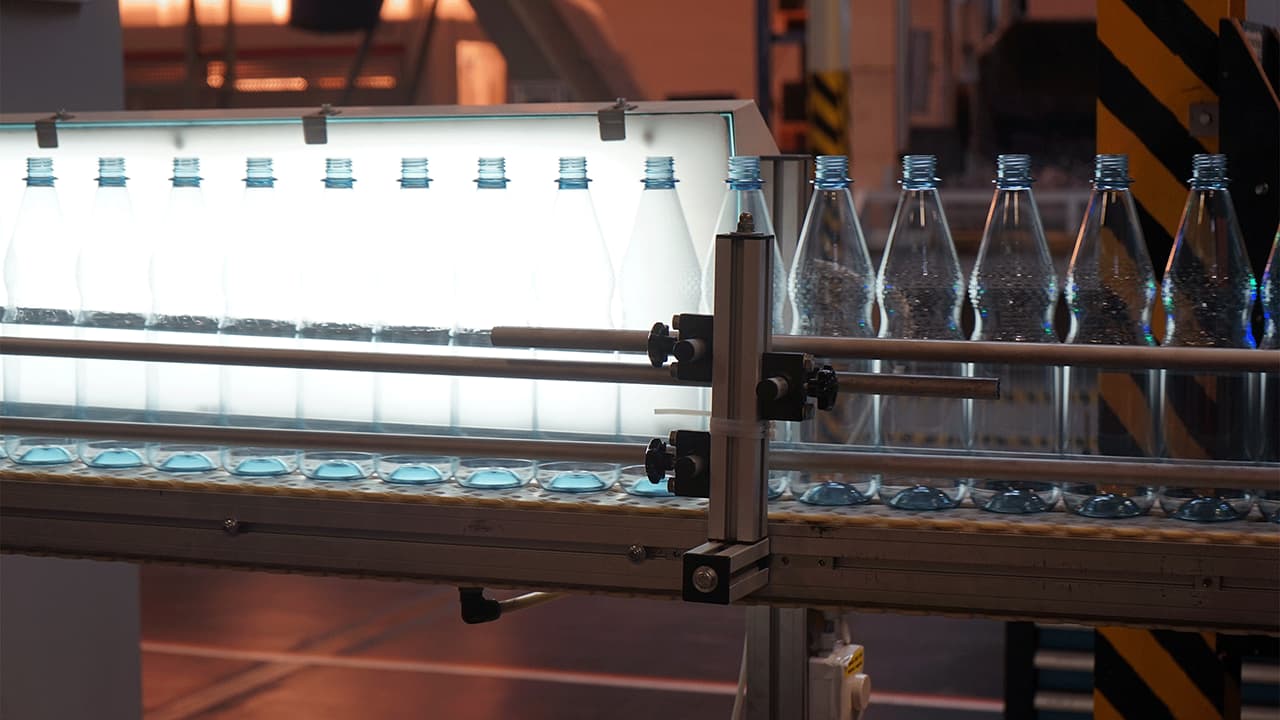
Las botellas de PET reutilizables se espera que jueguen un papel central en la consecución de los objetivos establecidos en el PPWR. El PET se utiliza comúnmente en envases de bebidas por su resistencia, transparencia y seguridad.
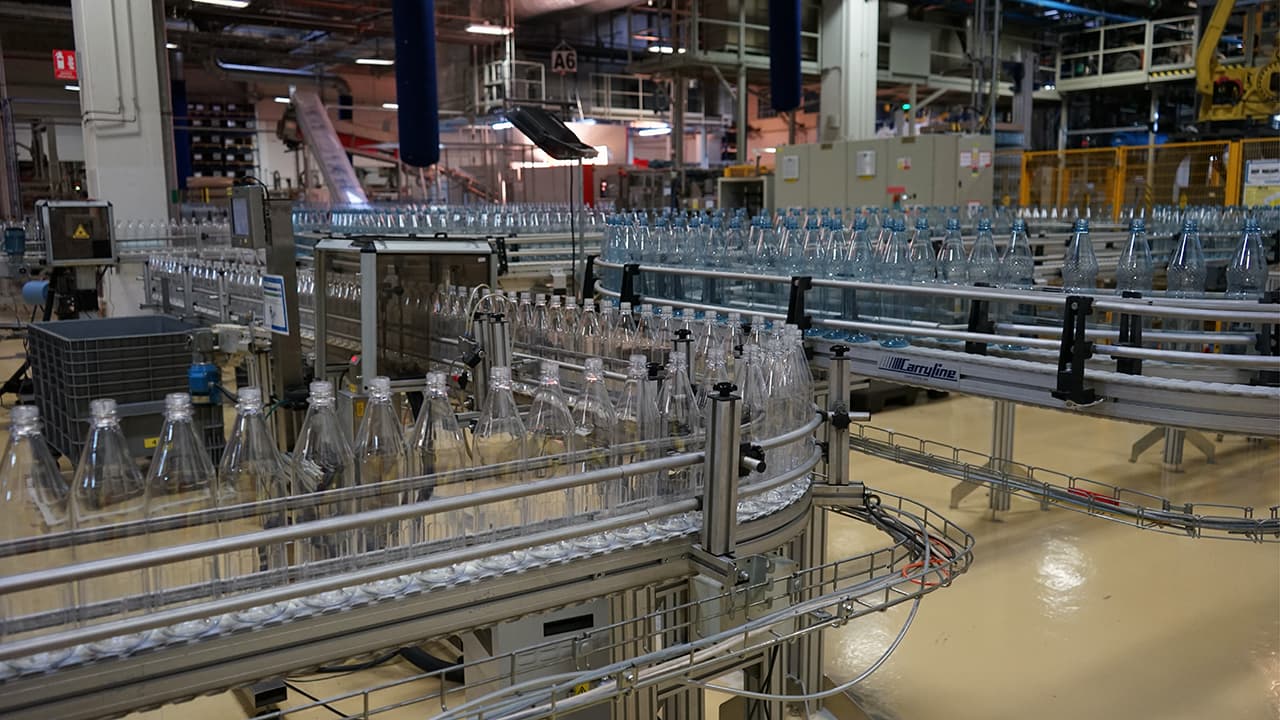
Estas botellas pueden recogerse, limpiarse y rellenarse varias veces antes de ser recicladas. El enfoque del PPWR en el PET reutilizable ayudará a reducir la necesidad de producir nuevo plástico, minimizando los residuos y disminuyendo las emisiones de carbono.
La legislación del PPWR marca un cambio significativo hacia una economía circular en el sector de las bebidas, con un fuerte énfasis en los envases reutilizables. Las disposiciones clave del PPWR —como el impulso de las botellas de PET reutilizables, los sistemas de depósito y el diseño para la reutilización— son pasos fundamentales para reducir los residuos plásticos y mejorar la sostenibilidad. Aunque 2030 parezca lejano, las oportunidades que brinda la reutilización ya están disponibles. Petainer es experto en reutilización y puede guiarte en este camino.