Created on 28 Feb, 2023

How Drinks Producers Can Protect Against Glass Price Fluctuations

The beverage industry continues to face significant margin erosion driven by glass price fluctuations, with glass prices remaining highly volatile following the 45–70% increases witnessed in recent years. While PET resin prices have stabilized in 2026, glass manufacturing remains tethered to energy-intensive furnace operations and unpredictable logistics costs. We engineered our PET solutions to decouple your overhead from these variables.

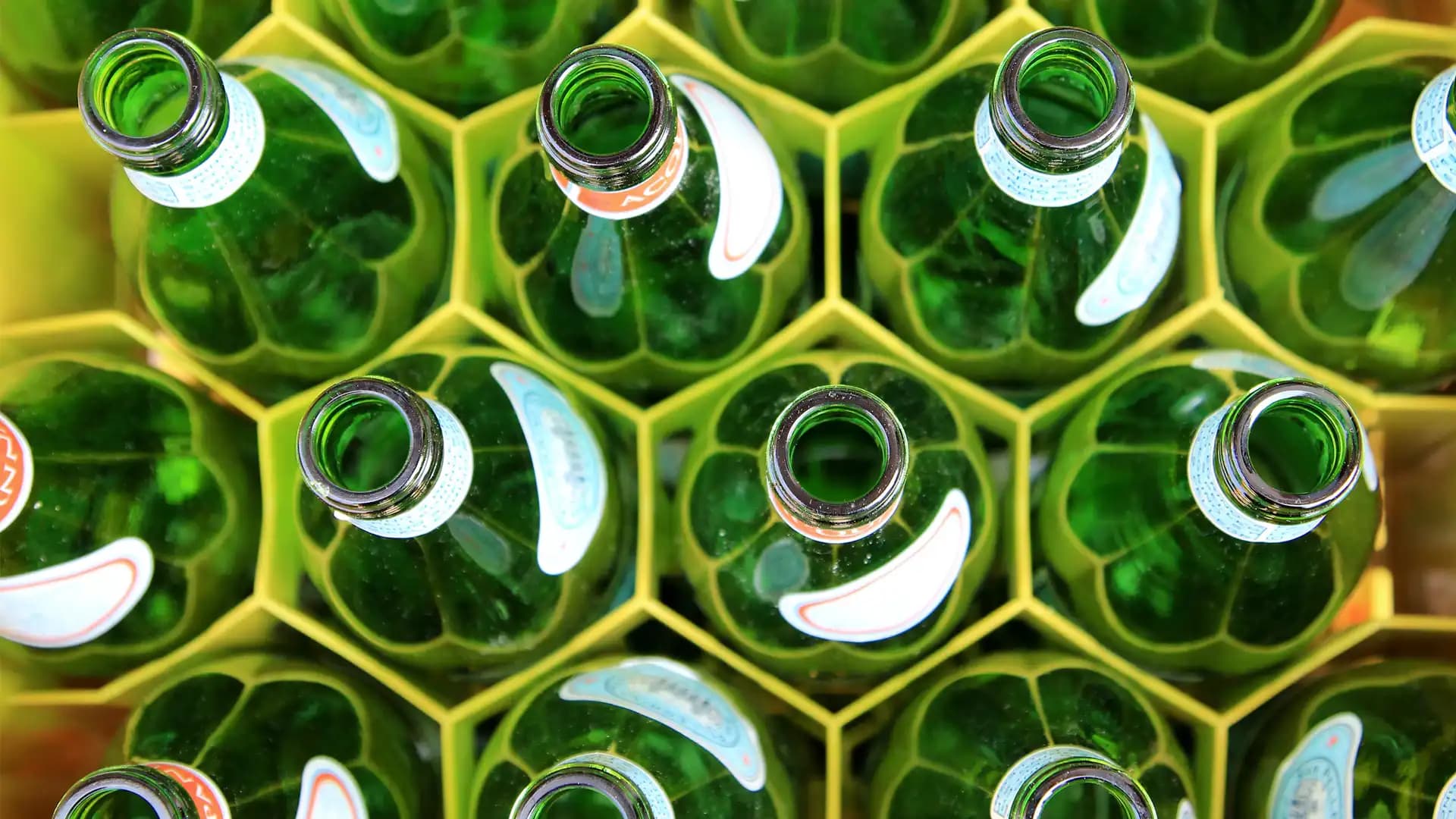
Crates of Glass Bottles

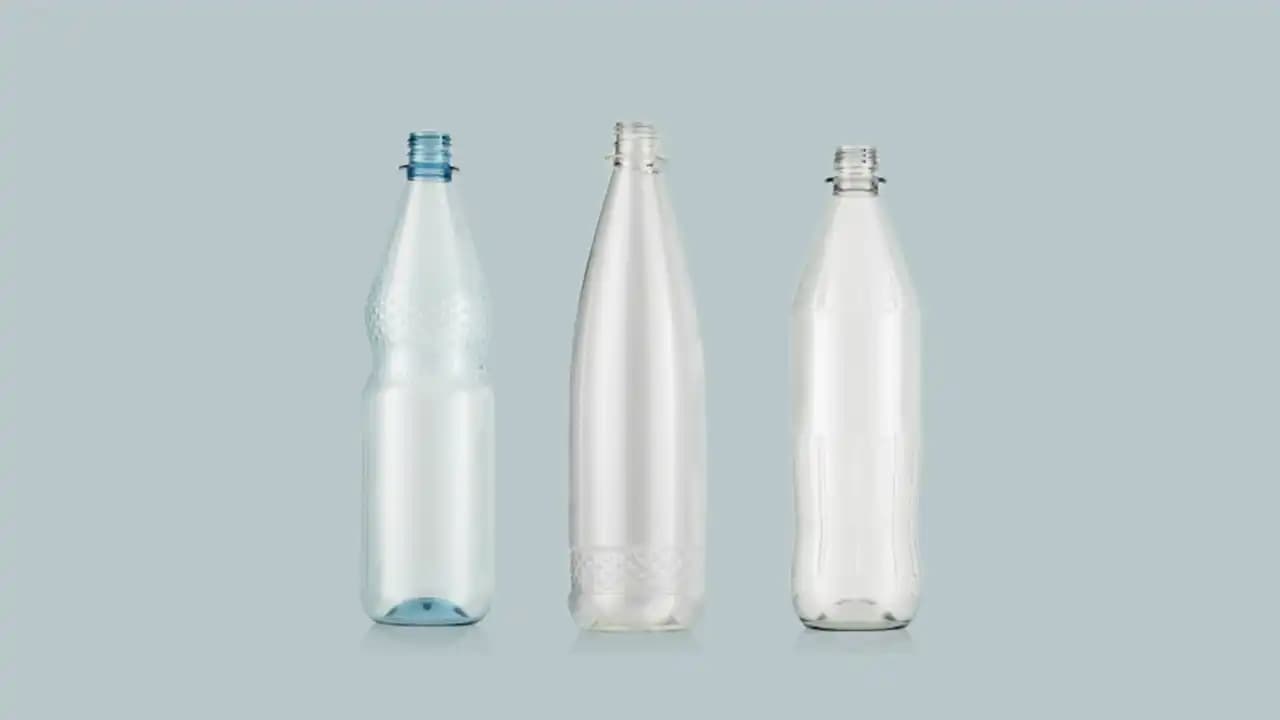
By transitioning to either refillable PET (refPET) or barrier-enhanced single-use PET, producers can achieve Logistics & Cost Optimization while mitigating the financial risks of an unstable glass supply chain.

Why Glass Prices Fluctuate and the Impact on Your Bottom Line

Glass production is fundamentally limited by its energy requirements. To melt raw materials like silica sand and soda ash, furnaces must reach temperatures exceeding 1,500°C. This makes the unit cost of a glass bottle hyper-sensitive to natural gas and electricity markets.

Beyond energy, the physical weight of glass creates a compounding cost effect. A standard 330ml glass bottle weighs approximately 200g to 250g, whereas a high-performance PET equivalent weighs roughly 25g to 30g. This weight disparity means that every spike in diesel prices or freight rates hits glass-based producers nearly ten times harder than those using PET.

The Business Reality of Glass Volatility

  • Energy Exposure: Glass manufacturing costs fluctuate in direct correlation with global energy indices.
  • Logistics Inflation: High-mass packaging increases fuel surcharges and reduces the total volume of product shippable per truck.
  • Breakage and Waste: Unlike PET, glass inventory is subject to loss during high-speed filling and transit, representing a direct hit to the balance sheet.
  • EPR and Plastic Taxes: While glass is often perceived as "green," the high carbon footprint of its production and transport is increasingly being targeted by Packaging Regulations and Extended Producer Responsibility (EPR) fees based on weight.

Transitioning to Refillable PET (refPET) for Long-Term Stability

For brands in the dairy, mineral water, and carbonated soft drink (CSD) sectors, we have scaled refPET as a direct replacement for refillable glass. A refPET bottle can be refilled up to 25 times, effectively spreading the initial material cost across two dozen life cycles.

The Cost Break-Even Point

From a financial perspective, the ROI on refPET is immediate.

We have observed that the break-even point (where the cost of the packaging alone becomes cheaper than single-use glass) occurs on the second placement (the first refill) of the bottle. From trip three through twenty-five, the packaging cost per hectoliter drops significantly below any glass alternative.

Maintaining Premium Aesthetics

A common engineering concern is bottle degradation over multiple cycles. We address this through optimized scuff zones. By applying specific textures or patterns to the contact points of the bottle, we reduce the visual impact of "grey-line" scuffing. Furthermore, we integrate specialized additives that improve bottle conveyance, ensuring they rub together less during the washing and filling processes.

Technical Transition: Converting Glass Lines to PET

One of the primary barriers to switching is the "perceived effort" of line conversion. Our engineering team has optimized our bottle designs to ensure that many glass-filling lines can be adapted with minimal capital expenditure.

Technical Transition Checklist

  • Bottle Geometry: Does the new PET bottle match the diameter and height of the previous glass vessel? Matching these dimensions allows for the use of existing conveyors.
  • Capper Change-Parts: While the filler may remain the same, you will likely need new change-parts for the capper to accommodate PET-specific closures (e.g., GME 30.40).
  • Sensor Calibration: Standard glass sensors must be adjusted for PET transparency to ensure accurate bottle counting and flow control.
  • The "Sniffer" Upgrade: For refillable lines, if you do not already have an automated "sniffer" to detect contaminants in returned bottles, this must be integrated into the washer stage.
  • No-Issue Beer Conversion: For one-way beer applications, our latest PET beer bottles are engineered to run on existing glass lines with zero modifications to the primary machinery.

Single-Use PET for Wines, Spirits, and Beer

While Materials & Sustainability often lead the conversation, the shift to PET for alcoholic beverages is increasingly a tool for cost avoidance.

Wine and the 2026 Tax Landscape

Approximately 85% of wines are intended for consumption within 12 months of bottling. Using heavy glass for these "fast-turnover" products is no longer financially viable under 2026 tax frameworks. Our PET wine bottles utilize advanced Packaging Technology to provide UV and oxygen barriers that protect product integrity for up to 18 months.

Spirits and Brand Equity

In Nordic markets, PET is already the standard for spirits. We offer clear PET spirit bottles that deliver the same refractive index and premium "hand-feel" as glass. This allows spirits producers to maintain their brand look while reducing their carbon footprint and shipping costs.

FeatureGlass (330ml)PET (330ml)Business Outcome
Weight~230g~26g85%+ reduction in transport fuel costs
Breakage Rate1.5% - 3%<0.01%Reduction in product loss and cleanup downtime
CO2 FootprintHigh (Furnace)Low (Blow-Molded)Lower carbon taxes and EPR fees
Recycled ContentLimited by colorUp to 100% rPETCompliance with 2026 rPET mandates

FAQ: Managing the Move from Glass to PET

For most beverages, yes. We utilize passive and active barrier technologies (such as O2 scavengers) to ensure that beer, wine, and juice maintain their flavor profiles for the duration of their intended commercial life.

While rPET can carry a premium over virgin resin, the overall cost of a PET bottle (when including logistics, breakage, and the <strong>2026 glass volatility premium</strong>) is consistently lower than glass for most high-volume producers.

Yes. Our PET bottles are engineered to withstand the internal pressures required for carbonated soft drinks and beer, maintaining seal integrity even during the thermal expansion experienced in non-refrigerated transport.

The 2026 market reality is that glass is no longer a "safe" commodity. Its pricing is fundamentally tied to volatile energy markets and increasingly punitive carbon and weight-based taxes. By diversifying your portfolio with PET, you are not just changing a material; you are implementing a financial hedge against glass price fluctuations.

Whether through the long-term ROI of a 25-trip refPET bottle or the logistical savings of single-use barrier PET, the move away from glass is a primary tool for protecting your beverage margins.

Share with others:

Call to Action Image
Ready to move forward with PET packaging?Discuss Your Requirements