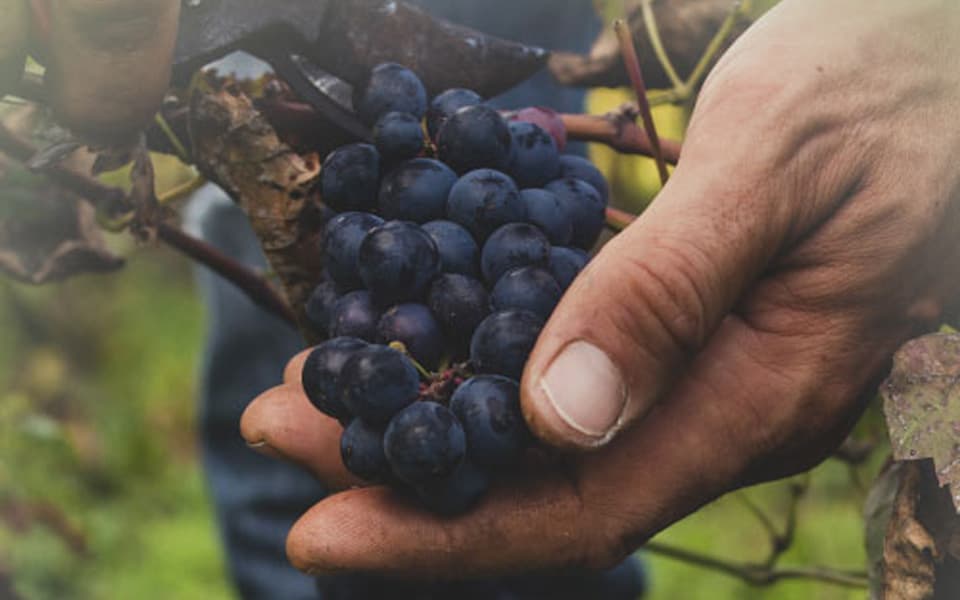
By eliminating the fragility and extreme weight of glass, we enable vintners to reach distant markets with significantly lower overheads and a reduced carbon footprint. As the 2026 global market moves toward more sustainable, shatterproof formats for 'By-The-Glass' programs and retail export, Petainer provides the technical assurance that your wine arrives exactly as the winemaker intended—free from light-strike, oxidation, or the logistical constraints of the past.
The global wine industry is currently navigating a period of intense logistical and regulatory pressure. The traditional glass bottle, while a historic standard, has become the single largest contributor to a winery’s carbon footprint and transport cost. As we move through 2026, these costs are no longer manageable for competitive export models.
With the introduction of the 2026 Packaging and Packaging Waste Regulation (PPWR), heavy-weight glass is increasingly targeted by carbon-based surcharges. Because glass production is energy-intensive and its weight increases fuel consumption during transit, vintners are facing a 'double penalty.' PET bottles, weighing up to 90% less than glass, offer an immediate path to compliance and significant savings on Scope 3 emissions reporting.
Fragility is a hidden cost. In long-haul shipping, the 2–3% breakage rate common in glass retail chains represents more than just lost product—it represents lost excise tax, wasted shipping energy, and potential insurance premiums. Furthermore, the 'By-The-Glass' hospitality sector is moving away from the inefficiencies of washing and returning steel kegs. The 2026 water scarcity crisis has made on-site keg washing financially unviable, pushing the industry toward one-way PET technology that guarantees sterility without the environmental drain.
In the premium wine sector, the weight-to-volume ratio of traditional glass has become a significant barrier to profitable export. When evaluated across the full product lifecycle, Petainer’s high-performance PET offers a superior balance of barrier integrity and logistical efficiency. While glass is often perceived as the only 'premium' choice, the operational reality of 2026 demands a format that reduces carbon footprints without the risk of breakage or TCA (cork taint).
By leveraging advanced active oxygen scavengers, Petainer ensures that the delicate sensory profile of your vintage is protected, matching the O2 barrier performance of glass while offering a 90% reduction in tare weight. This allows for a massive increase in payload capacity per container, directly improving your bottom line.
| Metric | Petainer PET (Wine) | Standard Wine Glass | Stainless Steel (Keg) |
|---|---|---|---|
| Tare Weight (750ml / 20L) | 50g / 0.45kg | 550g | 10.5kg |
| O2 Barrier Protection | Active Scavenger (Mimics Glass) | Total Block | Total Block |
| UV Protection | Amber/Green/Clear-UV | Varies by Tint | Total Block |
| Breakage Risk | Shatterproof (0%) | High (2-3% Loss) | Low |
| Logistics Efficiency | 100% Volume Utilized | Payload Penalty | Dead-Leg Returns |
| Carbon Footprint | Lowest (rPET options) | Highest (Energy/Mass) | High (Transport heavy) |
Shipping wine in glass is effectively paying to transport silica. A standard 750ml glass bottle adds approximately 550g of tare weight per unit. This means that a standard shipping container often hits its legal weight limit while nearly 35% of its physical volume remains empty. This is the 'Payload Penalty'—a logistical ceiling that limits your revenue per shipment.
Petainer’s 750ml PET bottles (weighing just 50g) allow you to utilize 100% of your transport volume. Use the tool below to see how many extra cases of wine you can fit in a single container and how much revenue you recover by eliminating glass breakage.
Your Distribution Operation
Fixed assumptions
Glass: weight-limited at 24 t (1,081 cases/truck) · PET: volume-limited at 1,400 cases/truck · Liquid: 9 kg/case · Truck cost: €2.00/km
Estimated Annual Recovery
Total Annual Savings
€31,200
€3.12 recovered per case
Per-Case Recovery Breakdown (Glass vs PET)
Trucks Eliminated
21,081 → 1,400 cases/truck
CO₂ Avoided
7,812 kg124.0t lighter per year
For the growing 'By-The-Glass' market, the cost of the steel keg is secondary to the cost of the 'Reverse Freight.' Shipping 10.5kg of empty stainless steel back from an international market is a significant drain on margins. Our One-Way Hybrid Kegs eliminate the need for return logistics and the risk of 'TCA' (cork taint) or oxidation during dispense. This is the most cost-effective way to scale your draught wine program globally.
Your Brewery Operation
Fixed assumptions
Return freight: €0.005 / km · Washing & chemicals: €0.85 / fill · Admin & labour: €0.60 / fill
Estimated Annual Savings
Total Annual Savings
€42,250
€8.45 eliminated per fill
Per-Fill Cost Breakdown (Steel vs PET)
Water Saved
75,000L15L per fill eliminated
CO₂ Avoided
2,961 kgreturn freight only
In the wine industry, oxygen is both a tool and a threat. While controlled micro-oxygenation is essential during aging, uncontrolled ingress during transit and storage is the primary cause of sensory degradation. At Petainer, we provide a 'Total Barrier' solution that matches the protective qualities of glass while offering active protection that traditional materials cannot.
Standard PET is a passive barrier; our wine-grade PET is an Active Defense System. We infuse the polymer with patented Oxygen Scavengers that act as a molecular filter. These scavengers do not simply wait for oxygen to enter; they actively capture and neutralize O2 molecules present in the headspace during the filling process and any that attempt to permeate the sidewalls over time. This technology preserves the delicate esters and aromatic compounds of your vintage, ensuring a shelf-life of 12+ months even for sensitive whites and rosés.
Light-strike can ruin a premium wine in hours. Our wine portfolio is available in high-performance Amber, Antique Green, and UV-stabilized Clear tints. These are engineered to block specific wavelengths of the light spectrum that cause riboflavin-induced spoilage. Furthermore, our PET is 100% BPA-free and chemically inert, ensuring that the 'Terroir' you worked so hard to achieve in the cellar is exactly what the consumer experiences at the point of pour—whether that is from a 750ml retail bottle or a 20L 'Wine-on-Tap' keg.
No. Petainer uses food-grade, chemically inert PET that is 100% BPA-free. Our active oxygen scavengers ensure that the wine’s sensory characteristics—from delicate esters to complex tannins—remain unchanged for up to 12 months, matching the performance of traditional glass.
Yes. Our 750ml range is designed with dimensions similar to standard Bordeaux and Burgundy glass bottles. In most cases, only minor adjustments to the star wheels and capping heads are required to maintain high-speed throughput without significant capital expenditure.
Our wine portfolio is available in high-performance Amber, Antique Green, and UV-stabilized Clear tints. These are engineered to block specific wavelengths of the light spectrum that cause riboflavin-induced spoilage, providing protection equivalent to premium amber glass.
For the majority of retail and export wines intended for consumption within 12–18 months, Petainer’s active barrier technology provides an identical shelf-life to glass by actively neutralizing oxygen ingress and maintaining structural CO2 levels.
Absolutely. Our Hybrid Kegs are designed with industry-standard S and G type coupling systems, ensuring they integrate seamlessly into existing bar and restaurant dispense setups without the need for additional hardware.
Transitioning to PET does not require a sacrifice in operational speed or a massive capital investment. Our wine solutions are designed to mirror the dimensions and handling characteristics of traditional glass, ensuring your bottling line remains a high-efficiency asset.
As carbon taxes on heavy packaging increase across global export markets, the transition to PET is a strategic shield for your margins. By reducing your transport-related CO2 emissions by up to 60%, your winery can bypass the rising 'Mass-Based' environmental levies while appealing to the increasingly eco-conscious premium consumer.