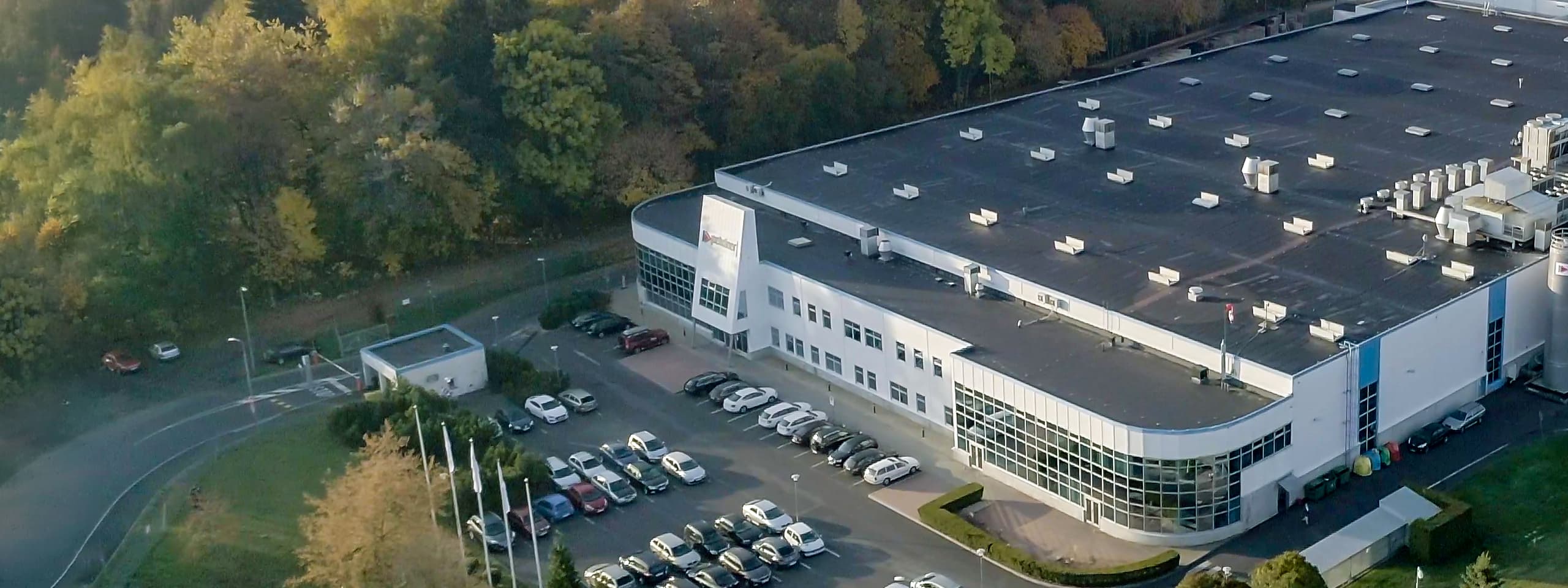
Coca-Cola Europacific Partners (CCEP) Collaborates with Petainer to Develop 'Universal refPET Bottle' to optimize the refillable ecosystem in the German market. This engineering partnership addresses a critical friction point in high-volume refillable cycles: the complexity of sorting multiple proprietary bottle shapes. By standardizing a 1L container that accommodates CCEP’s entire brand portfolio, we have enabled a significant increase in production capacity while reducing the carbon intensity of the supply chain.
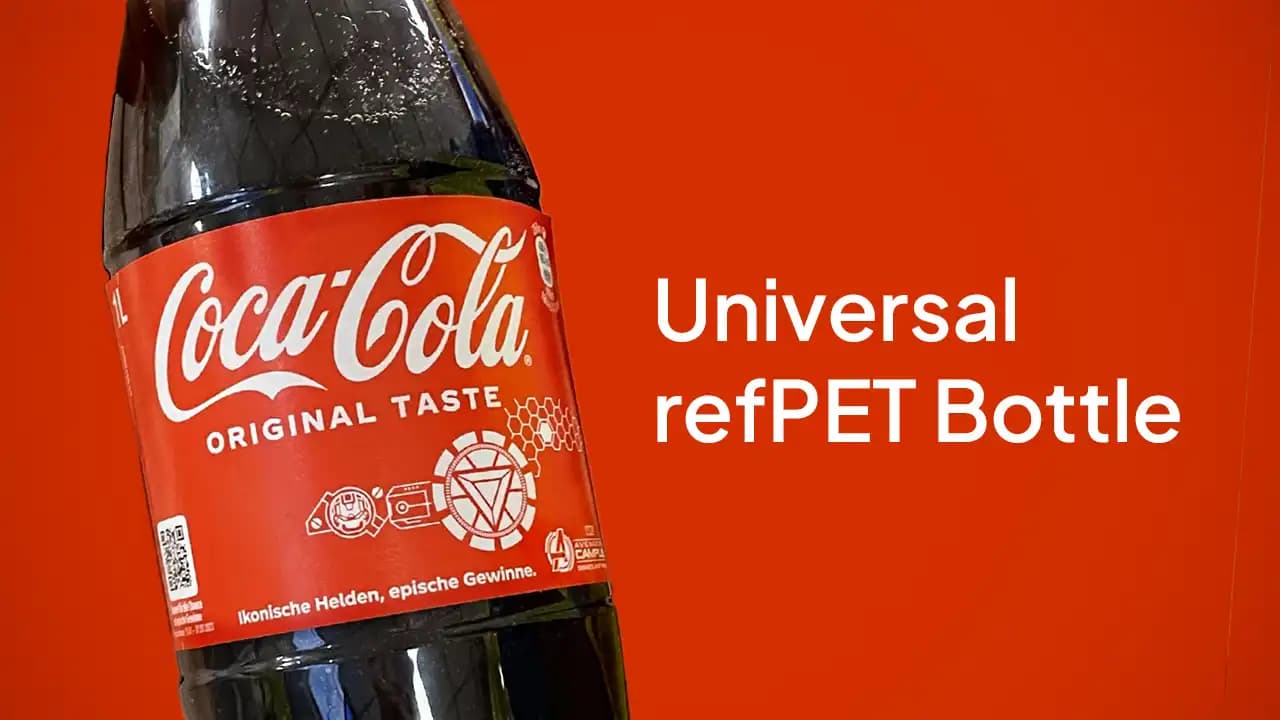
The Universal Bottle retains the iconic contour shape while functioning as a cross-brand asset, ensuring that bottles returned to any designated point can be routed to the nearest filling site rather than being transported back to brand-specific plants. This collaboration directly supports CCEP’s targets for materials and sustainability by maximizing the lifecycle of every gram of PET.
Traditional refillable systems often suffer from logistical imbalances. In Germany, CCEP previously operated two distinct 1L refPET designs: one for the Coca-Cola brand and another for flavors like Fanta and Sprite. This required rigorous sorting at deposit points, adding overhead to logistics and costs. If a specific region returned more "Flavor" bottles than "Cola" bottles, filling lines faced downtime or required expensive cross-country material transfers.
We engineered the Universal Bottle to eliminate this bottleneck. By creating a unified geometry that is compatible with all brands in the CCEP family, we have simplified the "capture-to-refill" loop.
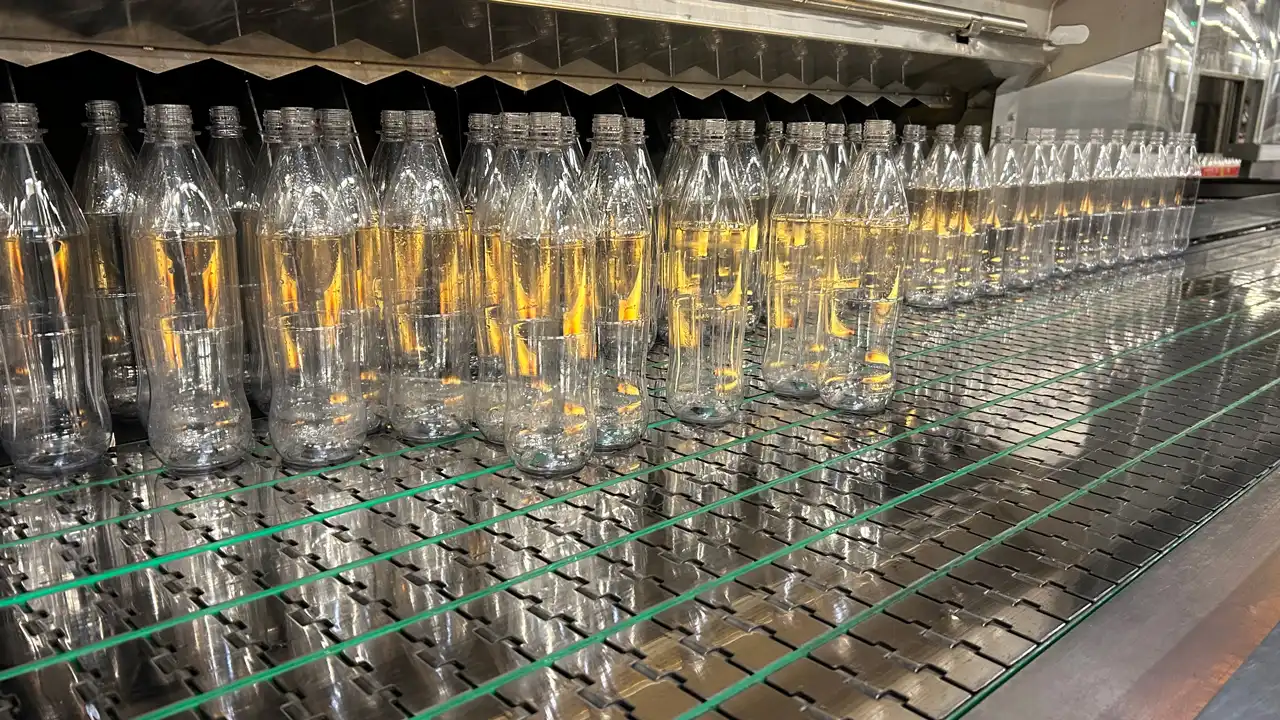
A primary constraint for the "Universal refPET Bottle" was seamless integration into existing infrastructure. We optimized the bottle to ensure it could withstand the mechanical stresses of industrial washing and high-speed filling without requiring a total overhaul of the packaging technology currently on-site.
| Spec | Universal refPET Detail |
|---|---|
| Volume | 1 Liter |
| Neck Finish | BPF |
| Max Fill Speed | 36,000 BPH |
| Service Life | Multiple reuse cycles (refillable) |
The transition to a universal design is a strategic move to future-proof against tightening packaging regulations. As Europe moves toward mandated reuse targets, the ability to scale refillable volumes is dependent on operational simplicity.
In a refillable loop, the "contact points" of the bottle are the most vulnerable to aesthetic degradation. We engineered the base and shoulder contact zones to minimize scuffing. This ensures the bottle remains consumer-acceptable for the maximum number of cycles, delaying the point at which it must be removed from the loop for mechanical recycling.
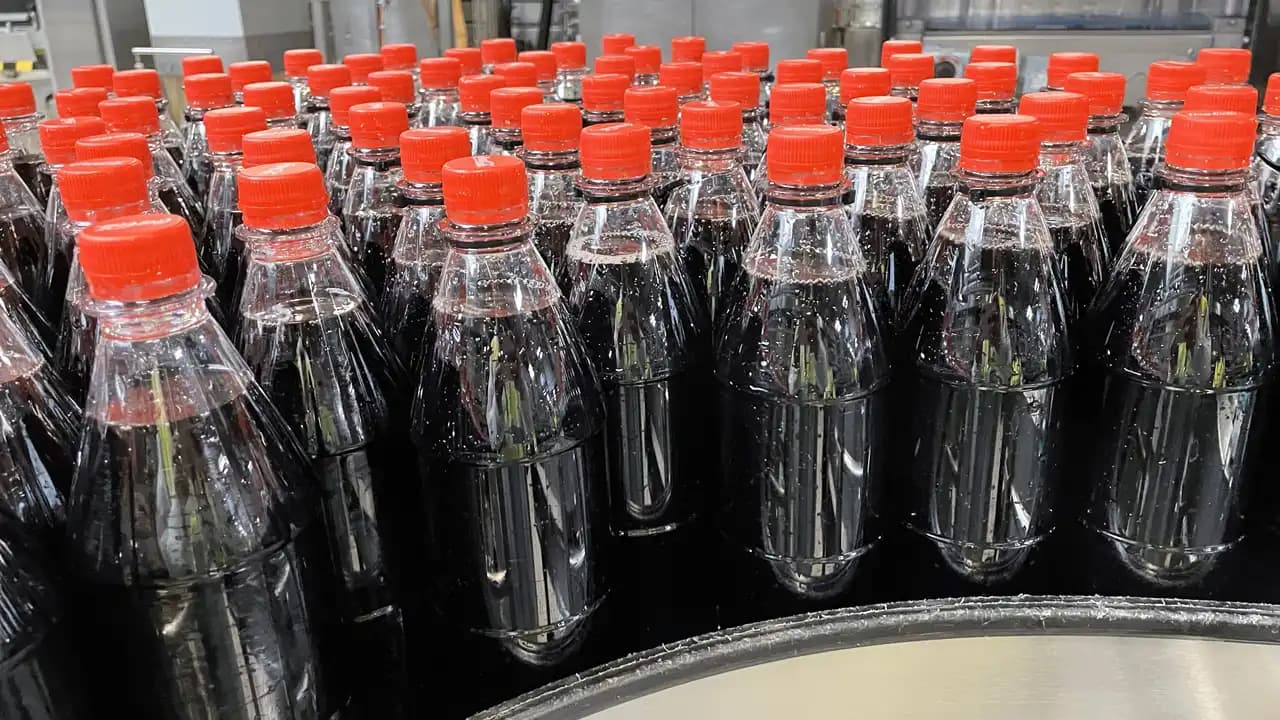
We’re delighted to support Coca-Cola in the transition to a Universal Bottle design. We’re committed to a ‘right first time’ mentality, which is why we have invested in our facilities to manufacture world-beating PET refillable bottle products. Our role, making each bottle hard wearing and functional, provides end users the best possible consumption experience and confidence in refillable bottles. Giving customers the choice to choose a more sustainable option is at the heart of Petainer’s philosophy.
Hugh Ross, CEO Petainer
The environmental value of refPET is inherently linked to the distance the empty bottle travels. When a bottle is "brand-agnostic," the return loop is localized.
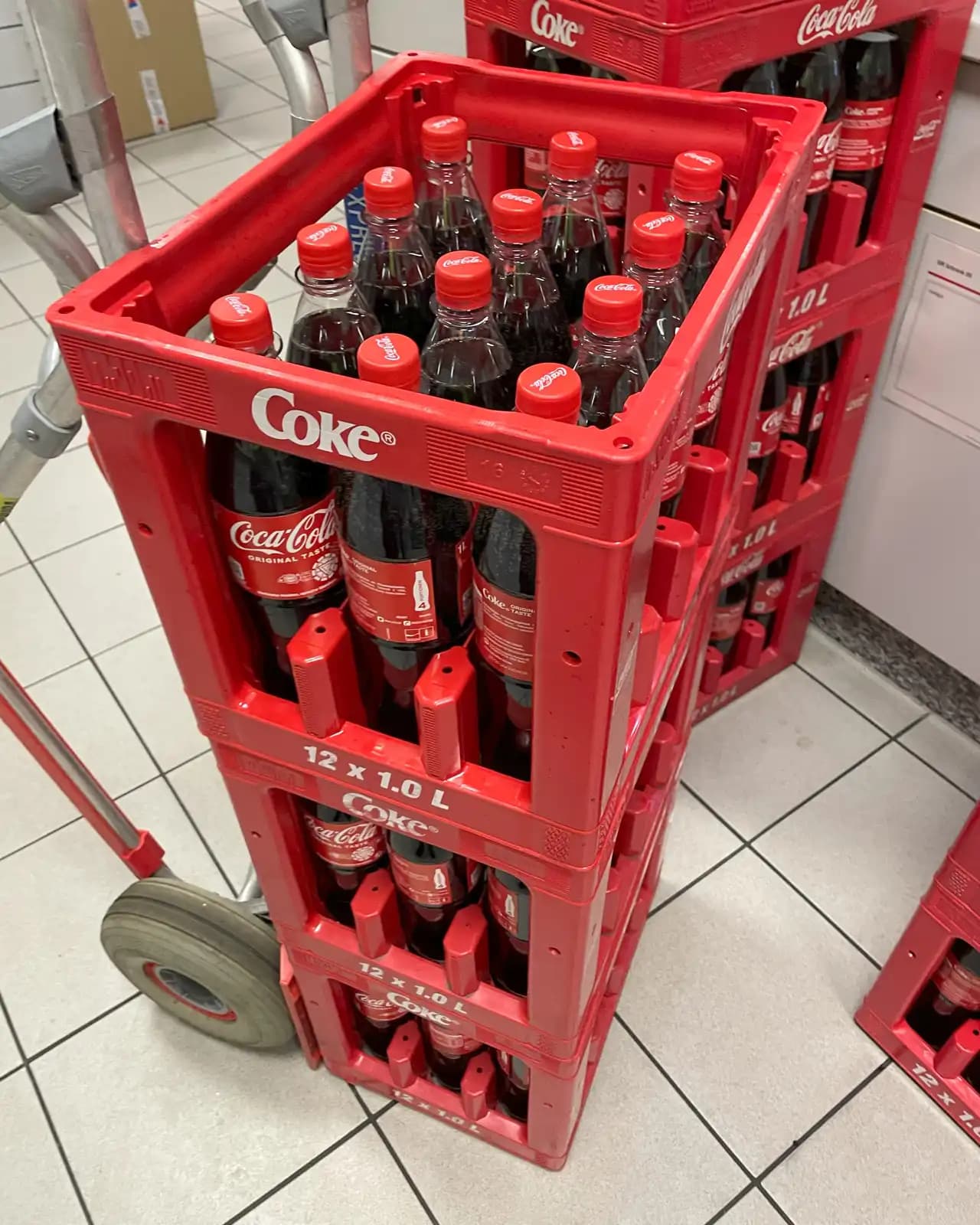
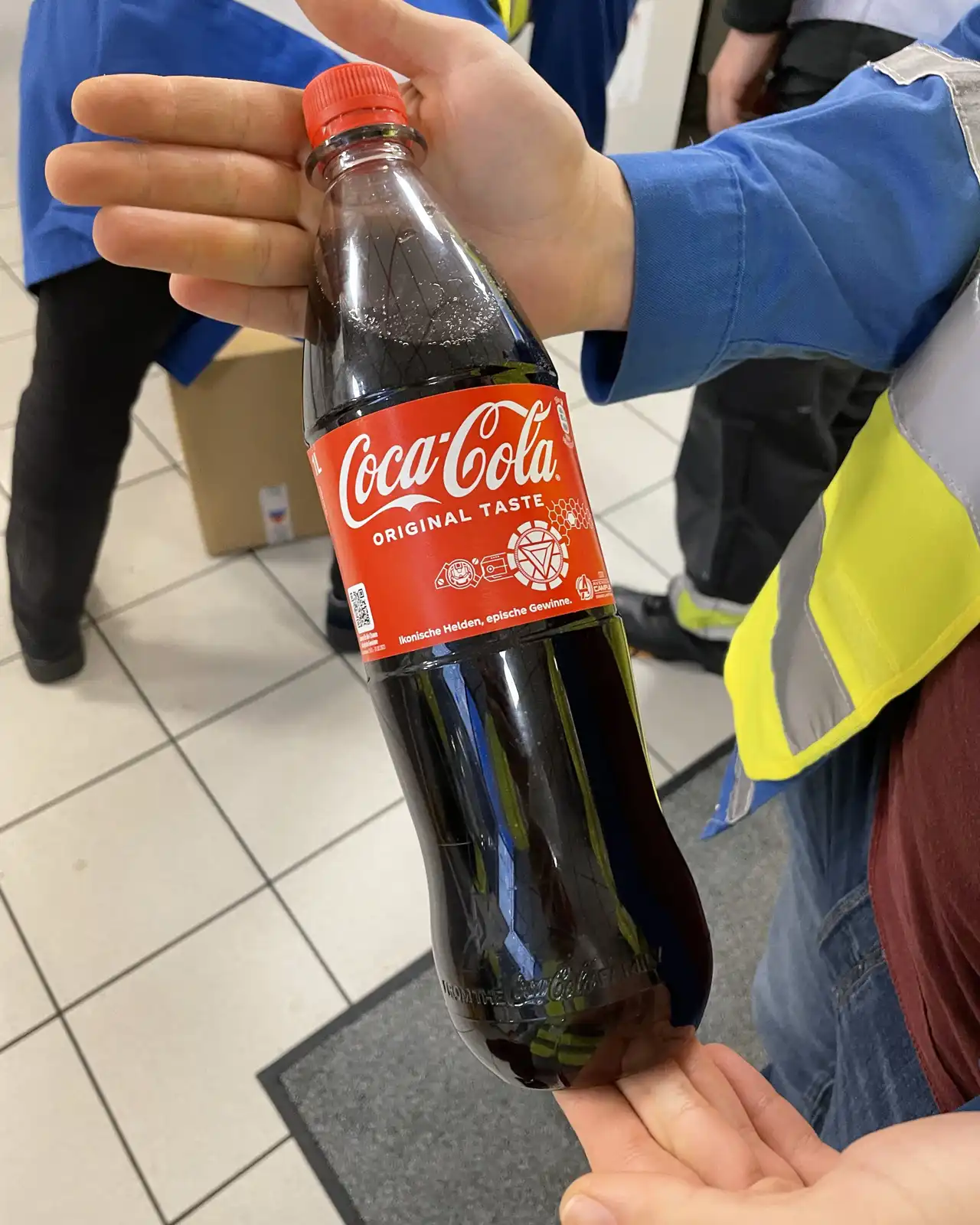
The rollout of the Universal Bottle began in June, representing the first major design shift for CCEP Germany’s high-volume home market packaging in approximately 30 years. Given the scale of the German refillable pool, the full changeover is a multi-year project that requires a "right first time" engineering approach.
Yes. Refillable PET (refPET) is engineered with a higher gram-weight and specific thermal properties to survive the caustic wash cycles and high-temperature sterilization required for reuse.
In many jurisdictions, refillable packaging is exempt from or receives significant discounts on EPR fees, as the container does not enter the waste stream after a single use. Standardizing the design makes these savings easier to track and scale.
Absolutely. Once a refPET bottle reaches the end of its service life (determined by scuffing or number of cycles), it is pulled from the loop and mechanically recycled into high-quality rPET flake for new containers.
The collaboration between CCEP and Petainer demonstrates that sustainability and industrial efficiency are not mutually exclusive. By applying rigorous engineering to the concept of "universal" design, we have provided a blueprint for how large-scale beverage manufacturers can meet circularity goals while protecting their margins.
The Universal Bottle is more than a container; it is a logistical tool that simplifies the most complex part of the circular economy.