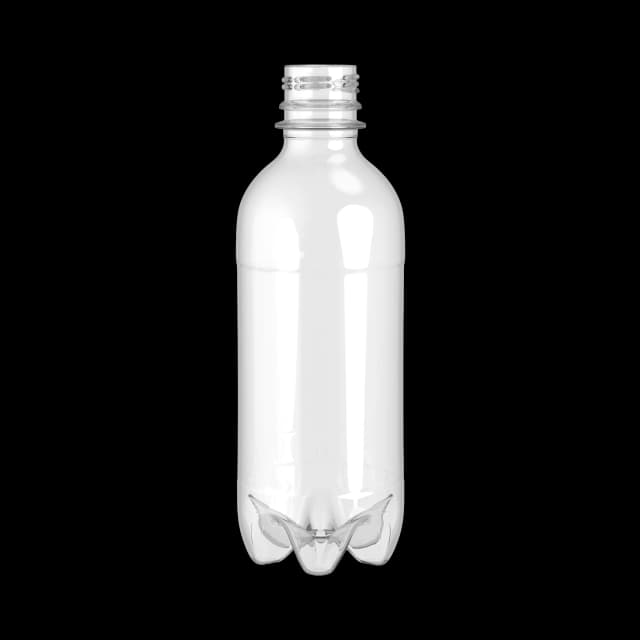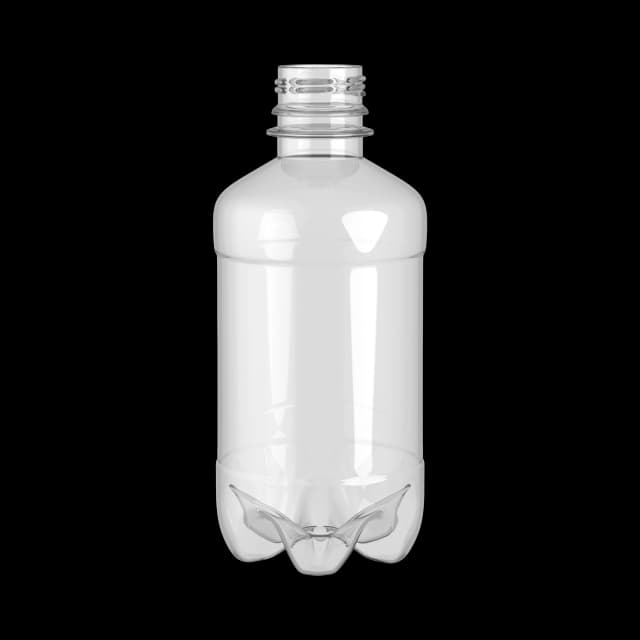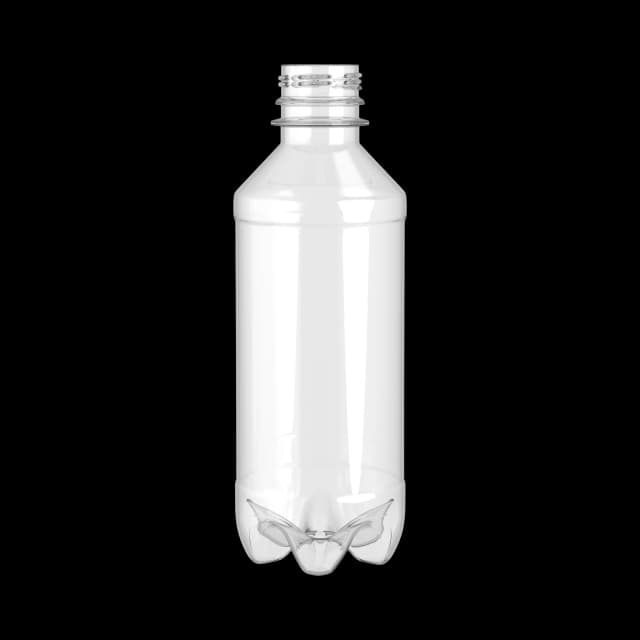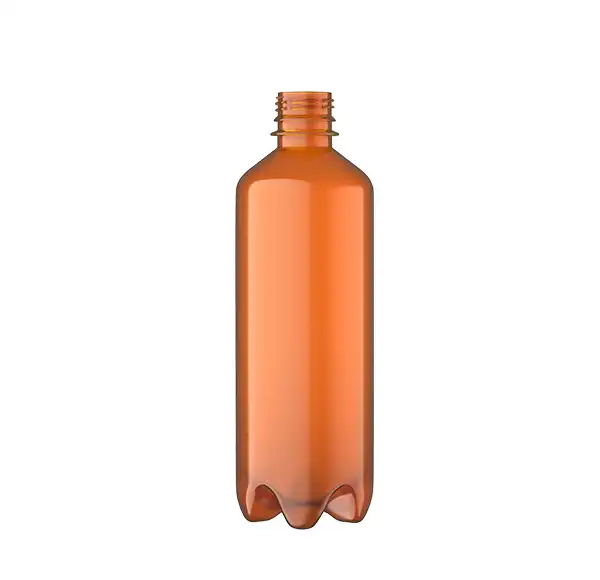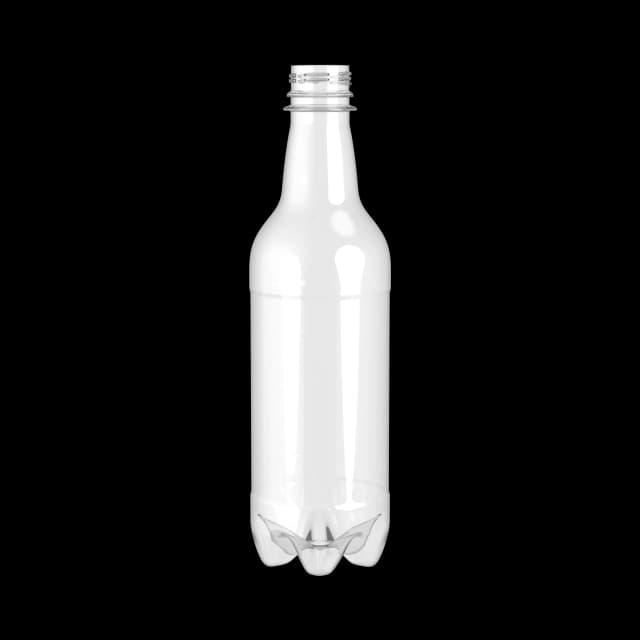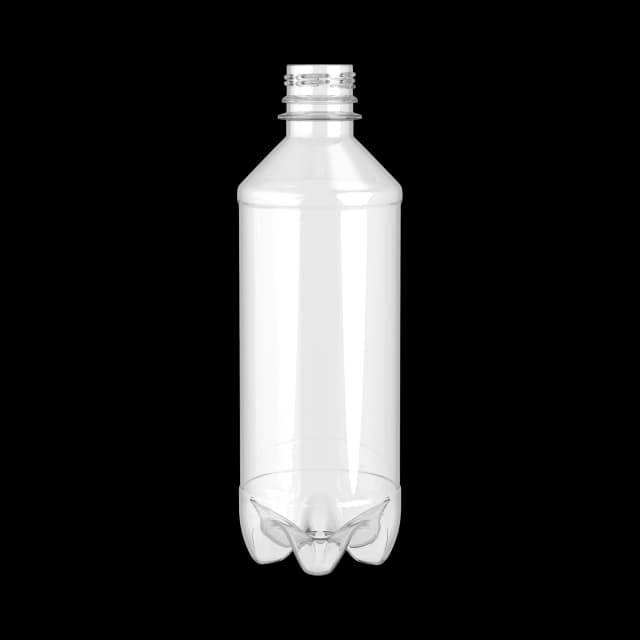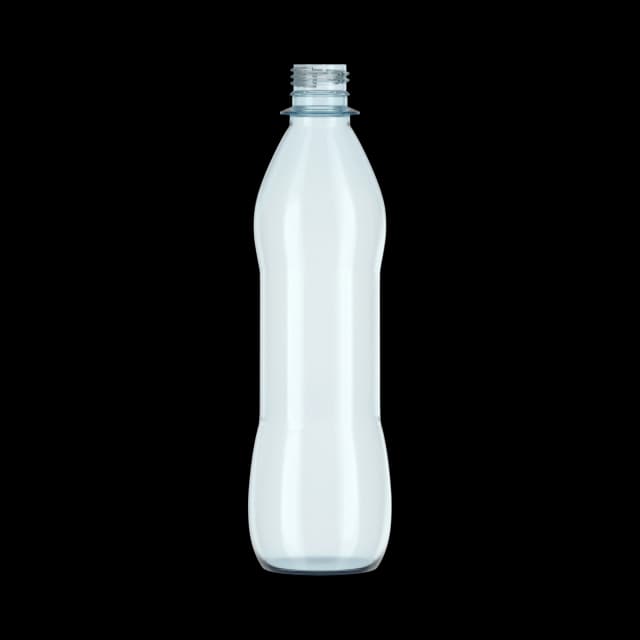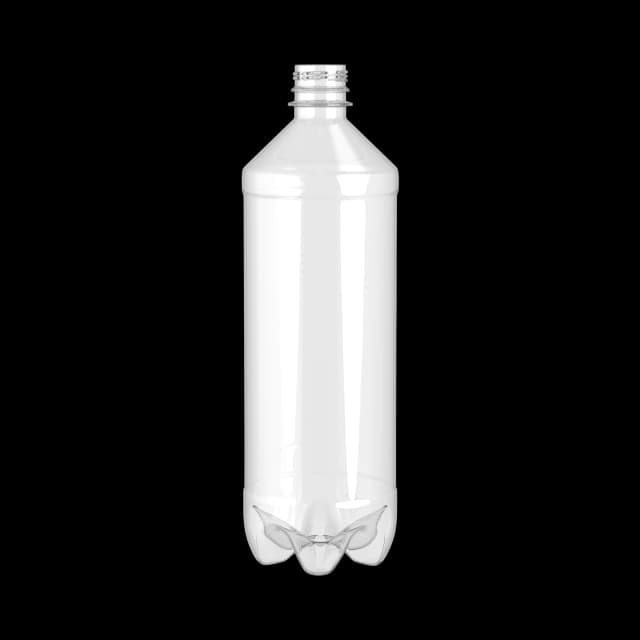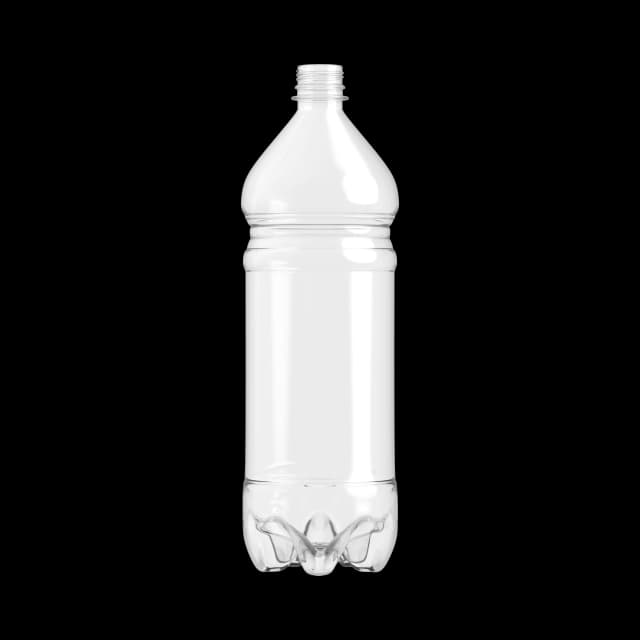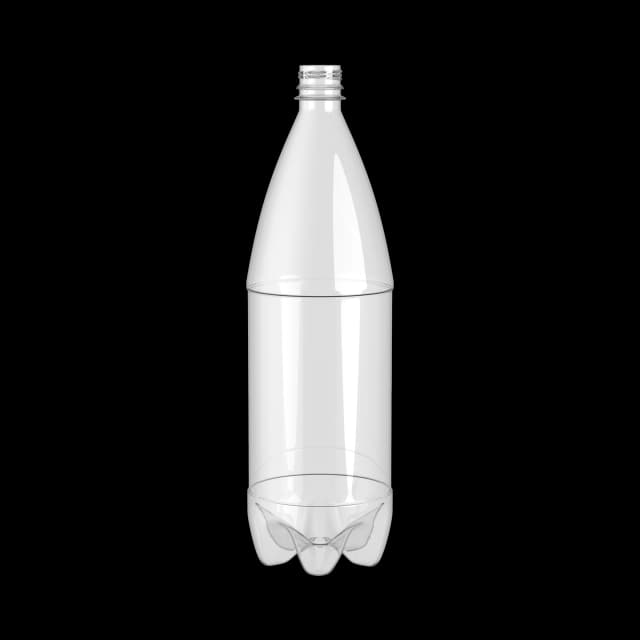
Naše PET plastové lahve na sycené nápoje spolehlivě odolávají tlakům sycených nápojů. PET plast je již dlouho preferovanou volbou pro výrobce nealkoholických nápojů díky své lehkosti a nerozbitné povaze.
PET plastové lahve na sycené nápoje nabízejí kombinaci praktičnosti, odolnosti, průhlednosti a udržitelnosti, což z nich činí preferovanou volbu pro balení sycených nápojů. Chrání kvalitu, chuť i sycení nápojů a zároveň splňují environmentální a nákladové požadavky.
Osvěžující zážitek z nápoje při každém otevření lahve.
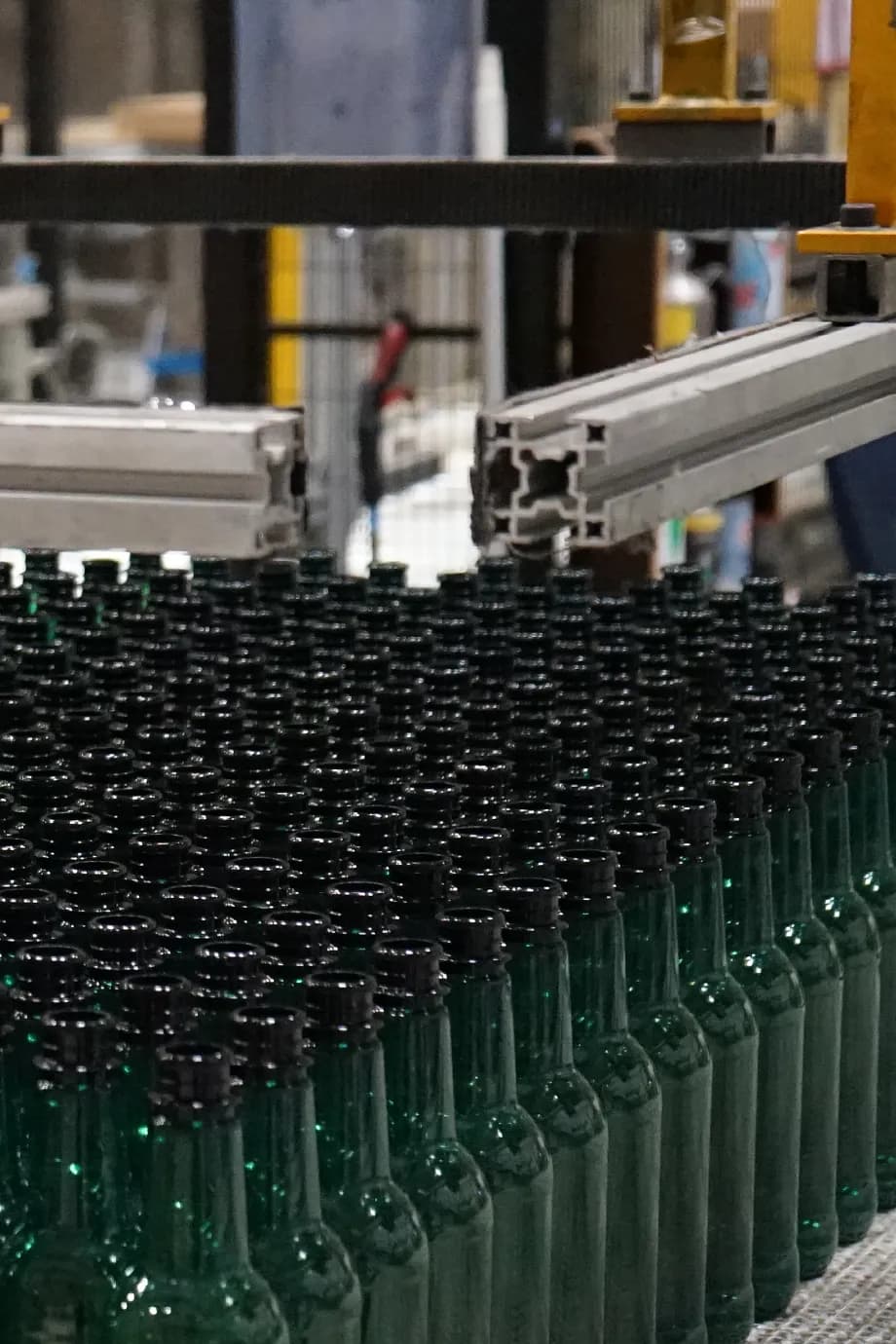
Významně levnější na výrobu než sklo.
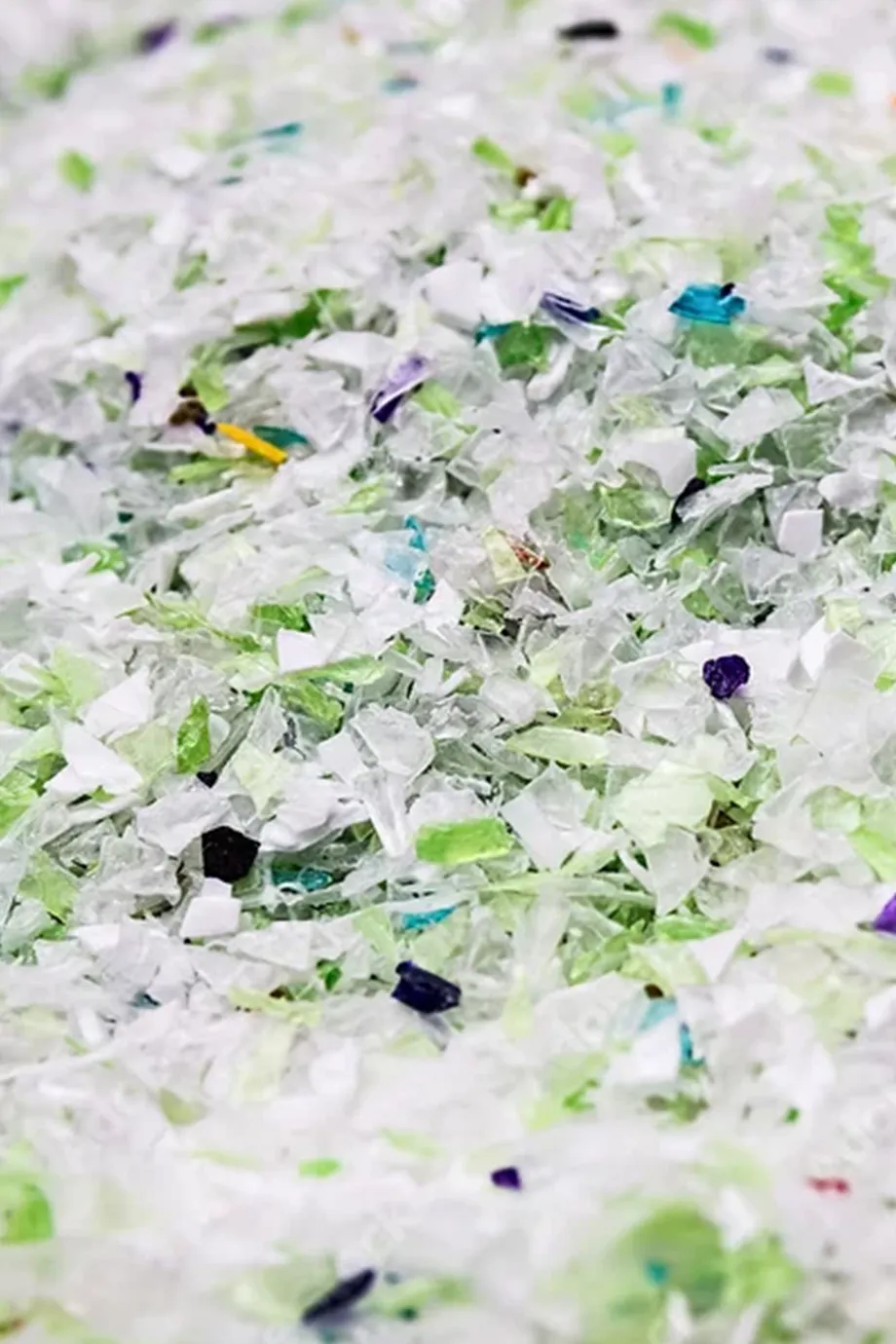
PET je vysoce recyklovatelný.
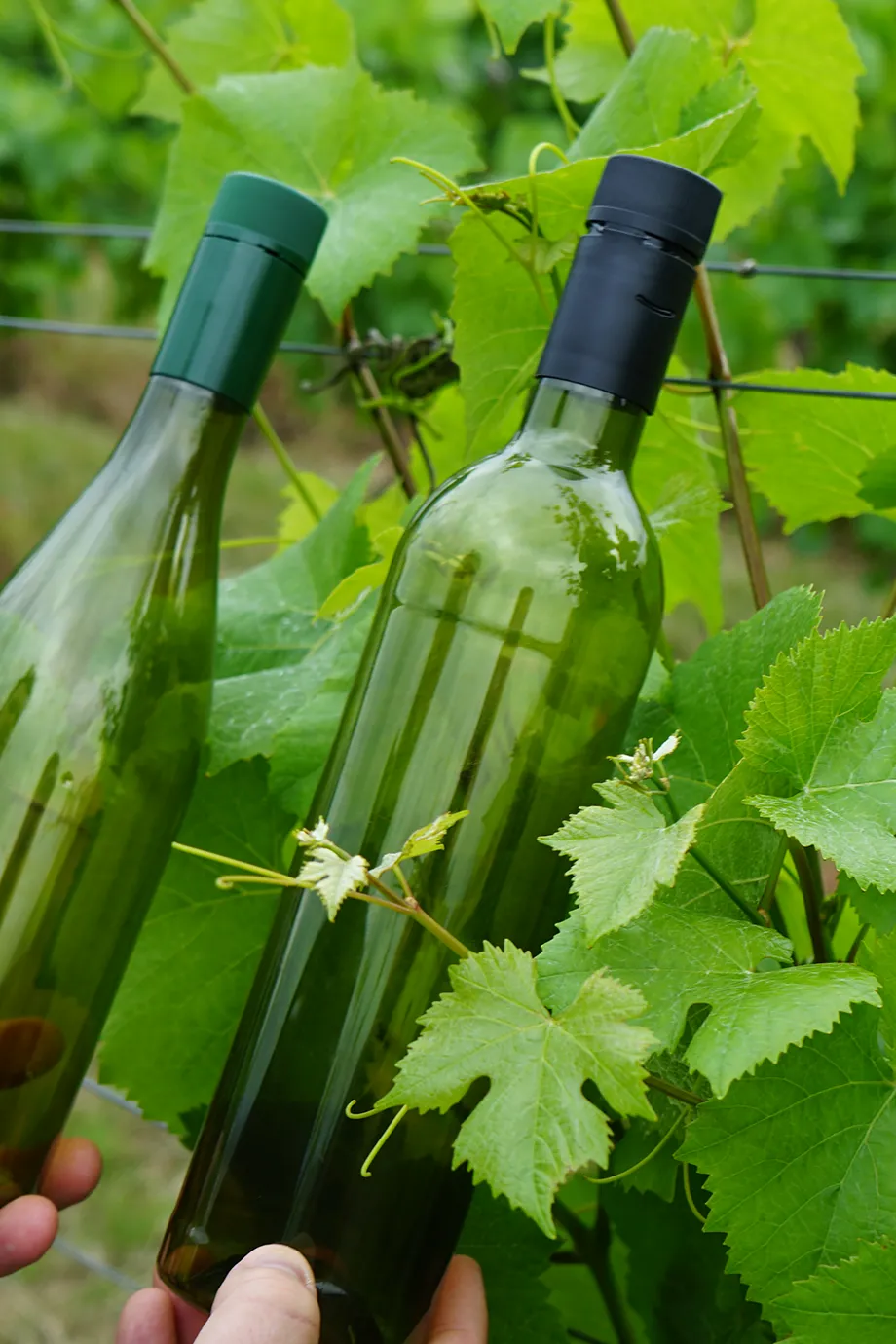
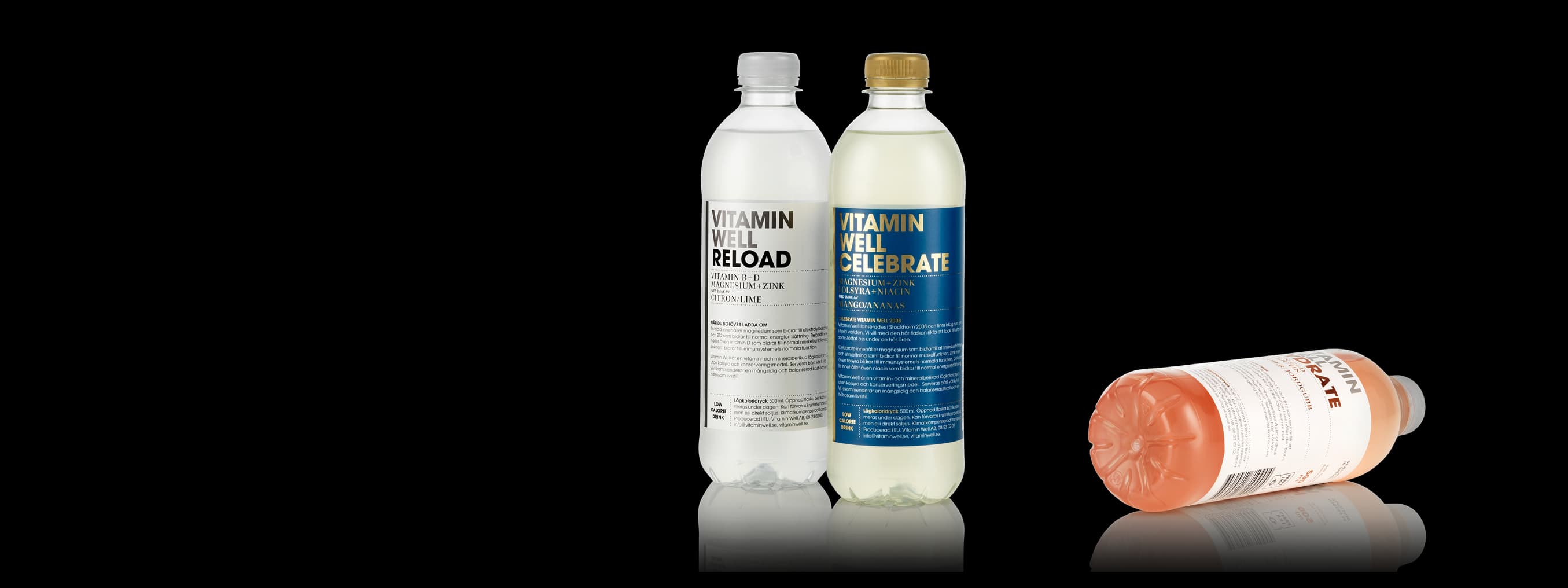
Petainer PET bottles are designed with CETIE standard Neck Finishes. Depending on your existing fitting, or lightweighting interest, Petainer's standard range offers a solution.
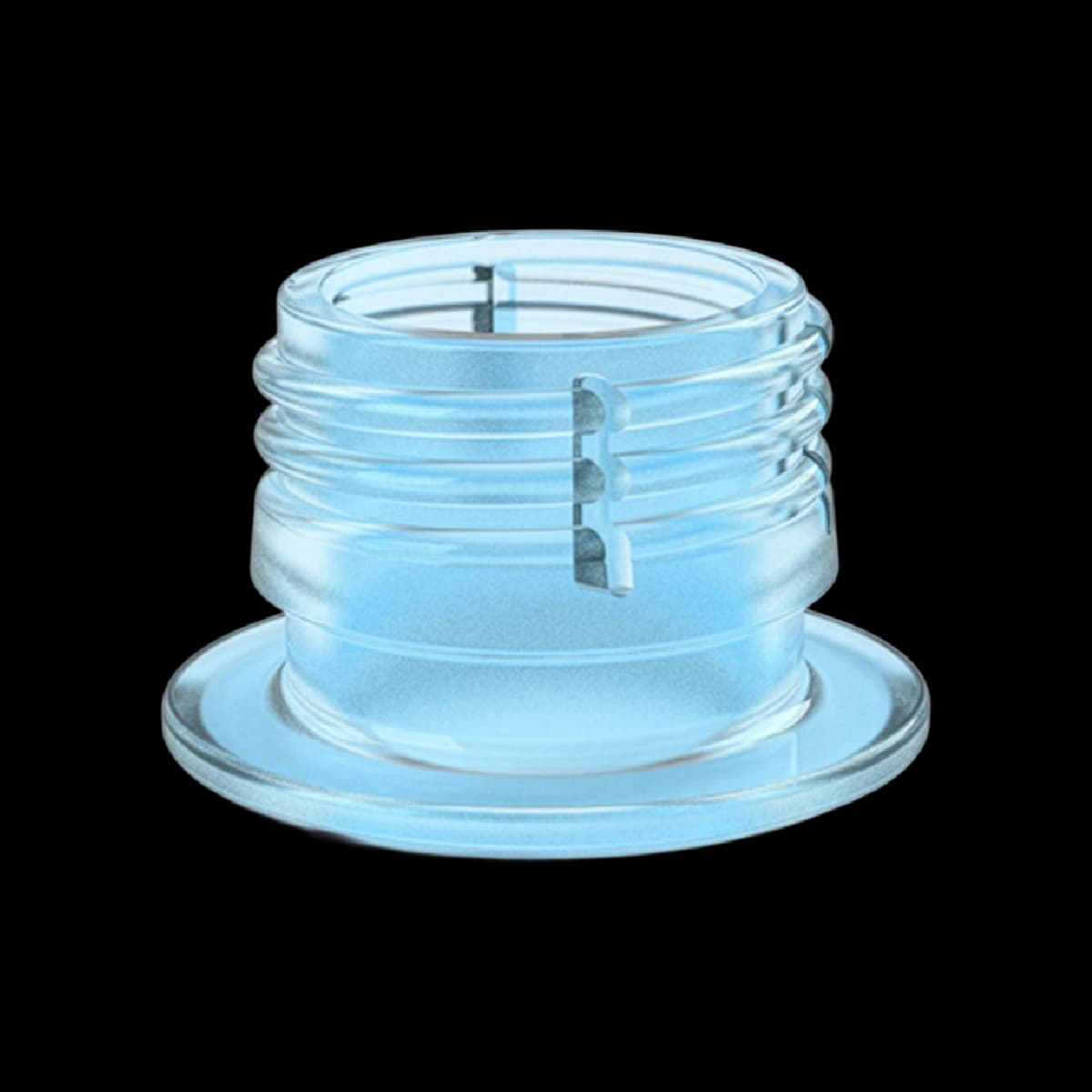
28mm BPF: Neck finish for beverage bottles requiring reliable sealing and compatibility with standard screw caps.
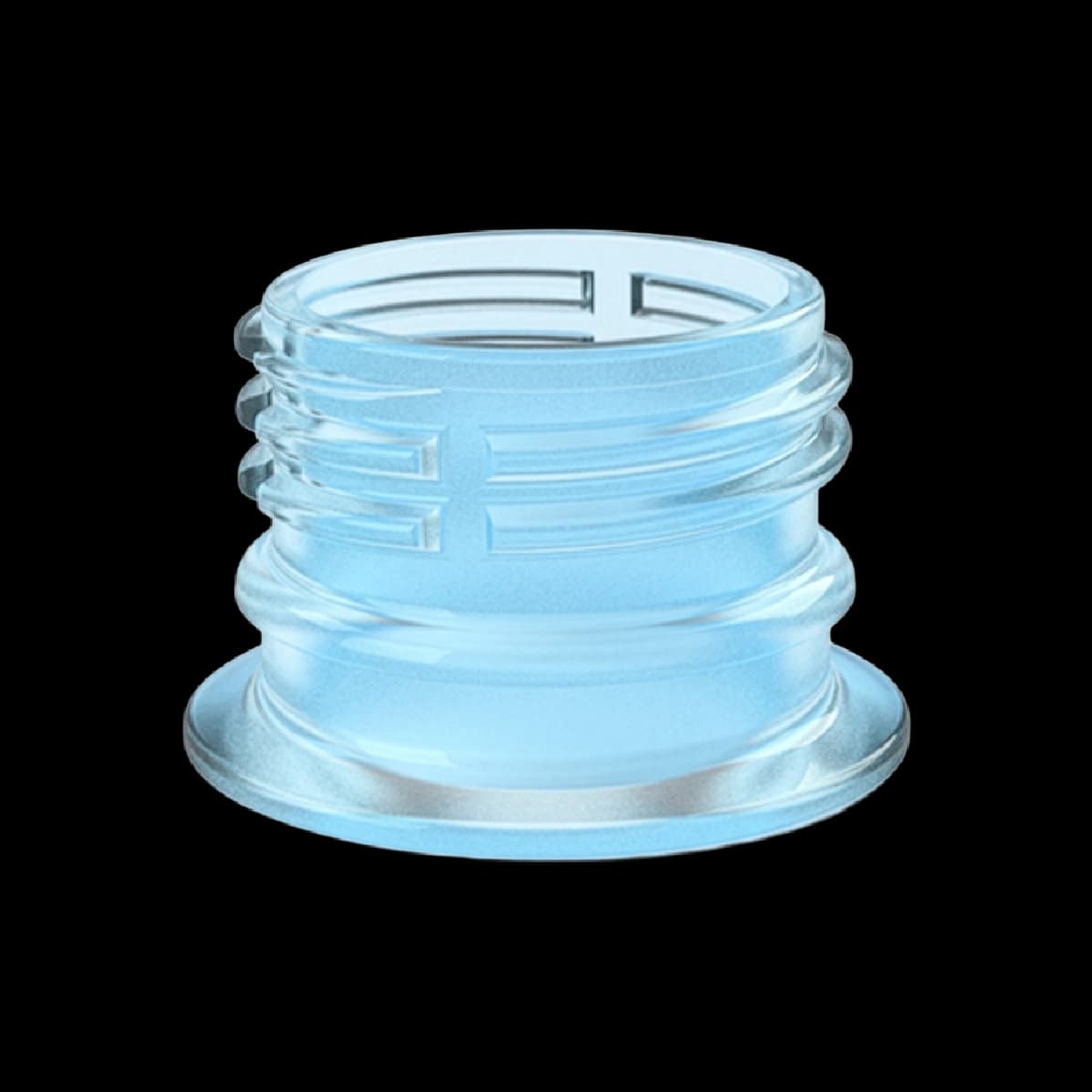
28mm PCO 1810: Lightweight finish developed for carbonated soft drinks and water, reducing material use while maintaining pressure resistance.
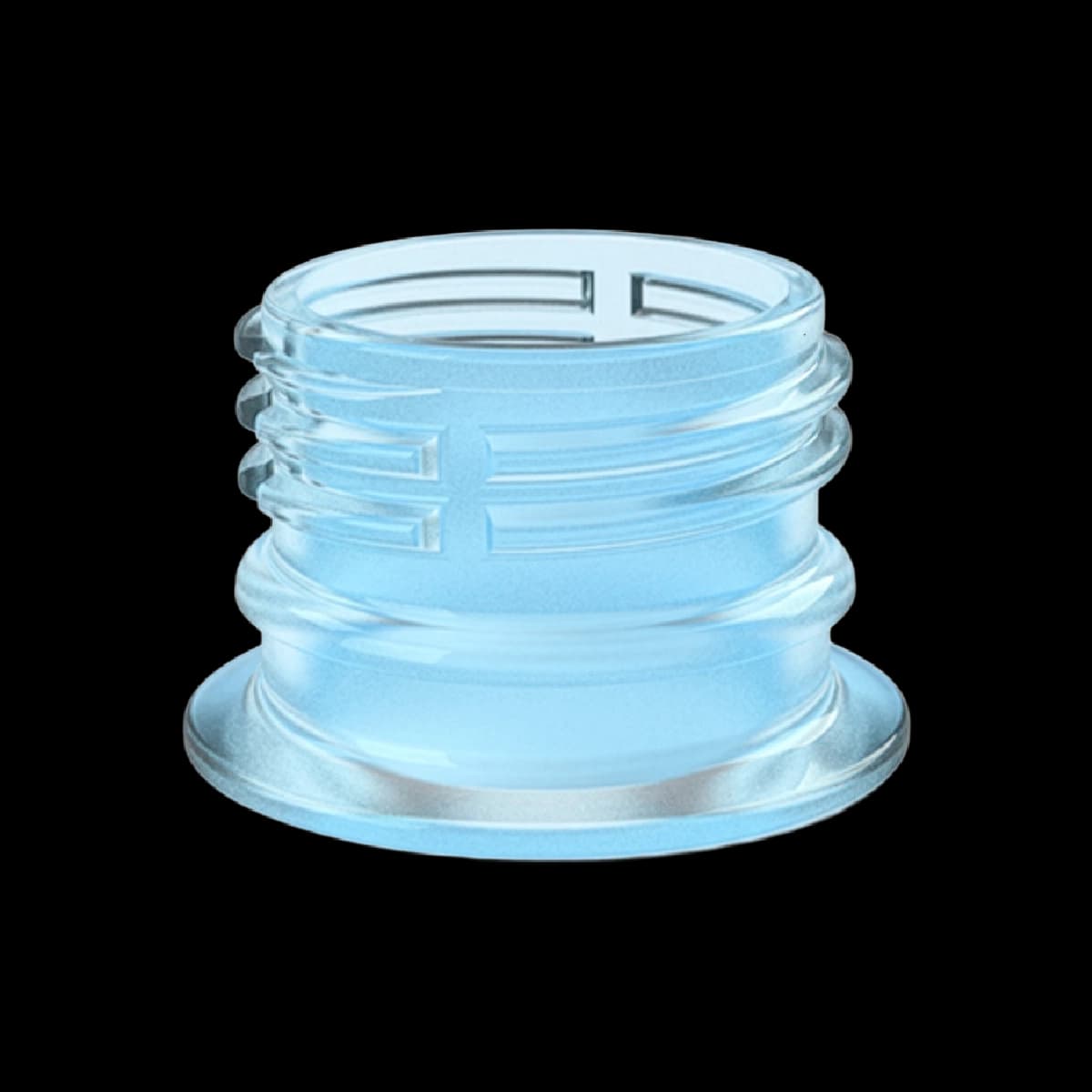
28mm PCO 1881: Global standard for CSD bottles, enabling further lightweighting and improved sustainability performance.
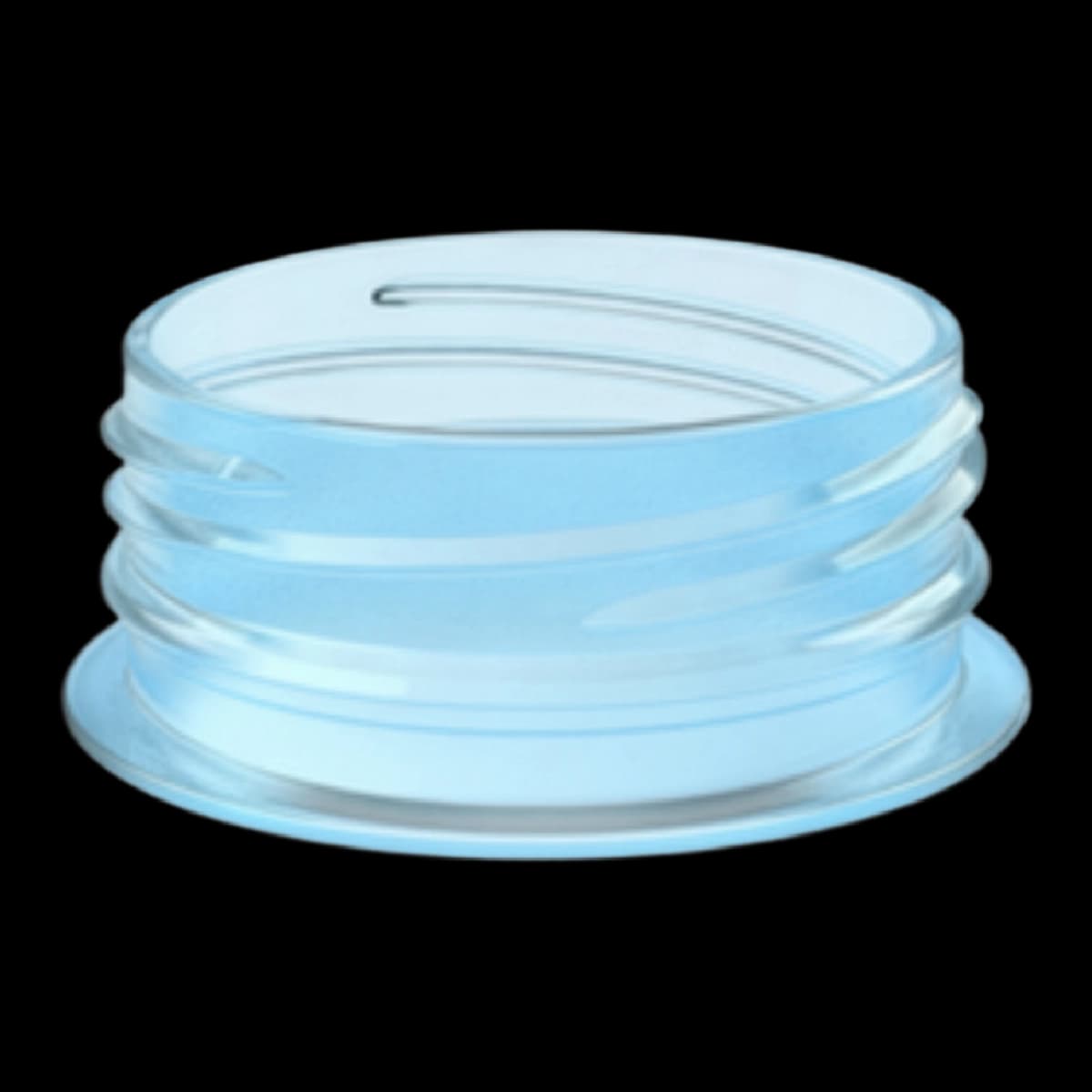
38mm DBJ: Suitable for juice, dairy, and functional beverages, supporting tamper-evident closures and wider pouring.
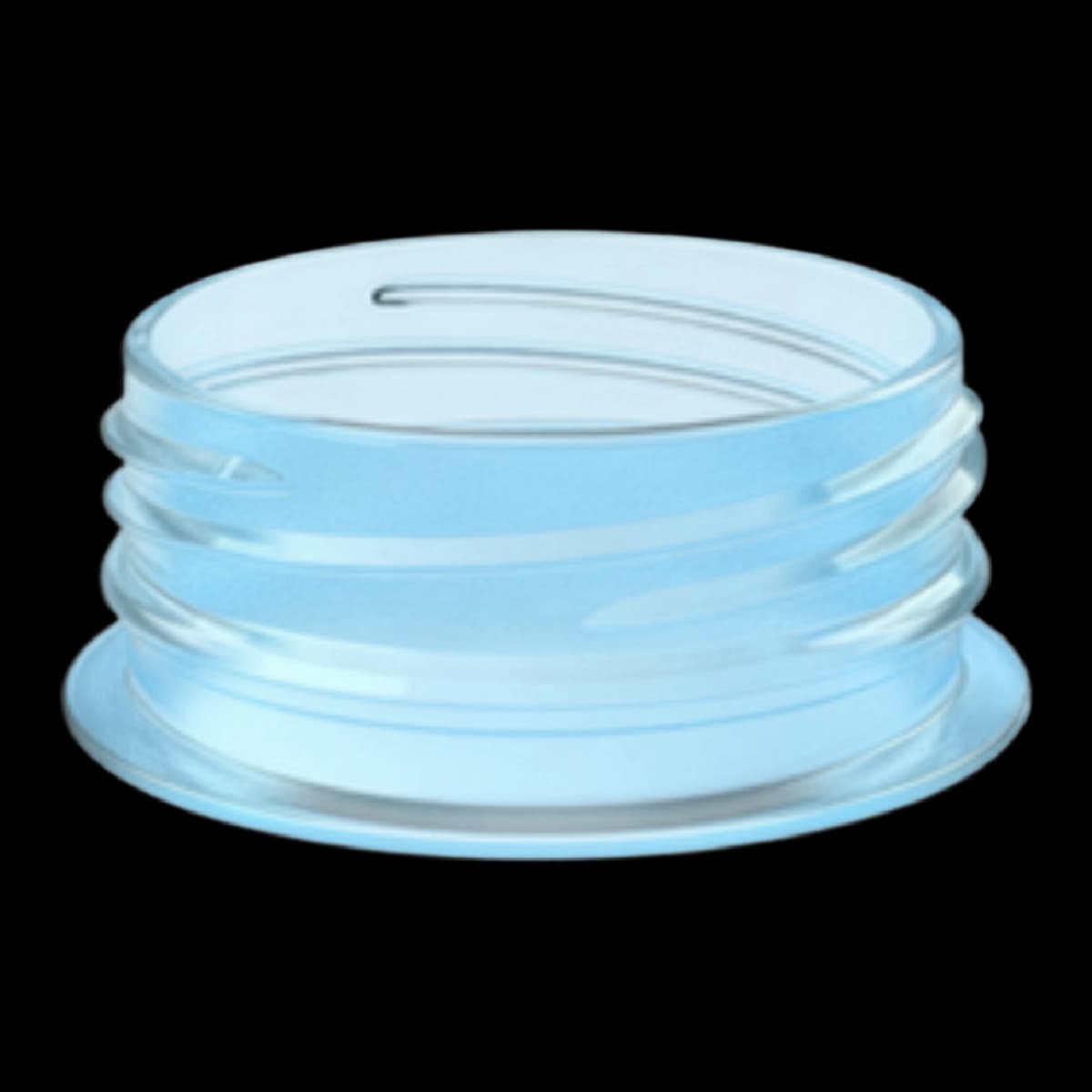
38mm SP400: Multi-purpose neck finish for beverages, food, and household liquids, compatible with screw caps.
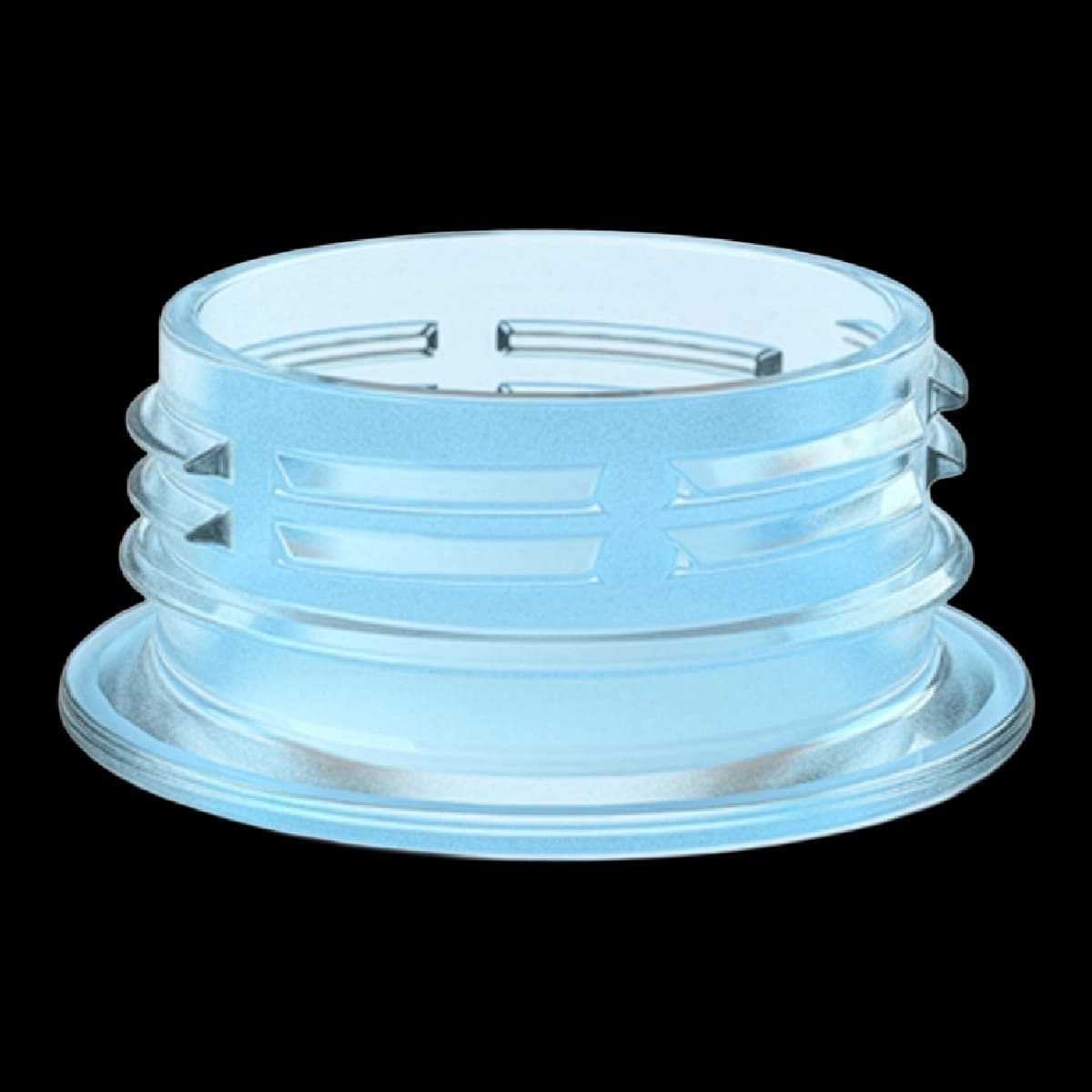
26/22 GME: Designed for water and carbonated soft drinks, compatible with lightweight tethered closures for improved circularity.
BVS 30H60: Designed for spirits and wine bottles, compatible with tamper-evident aluminium closures.
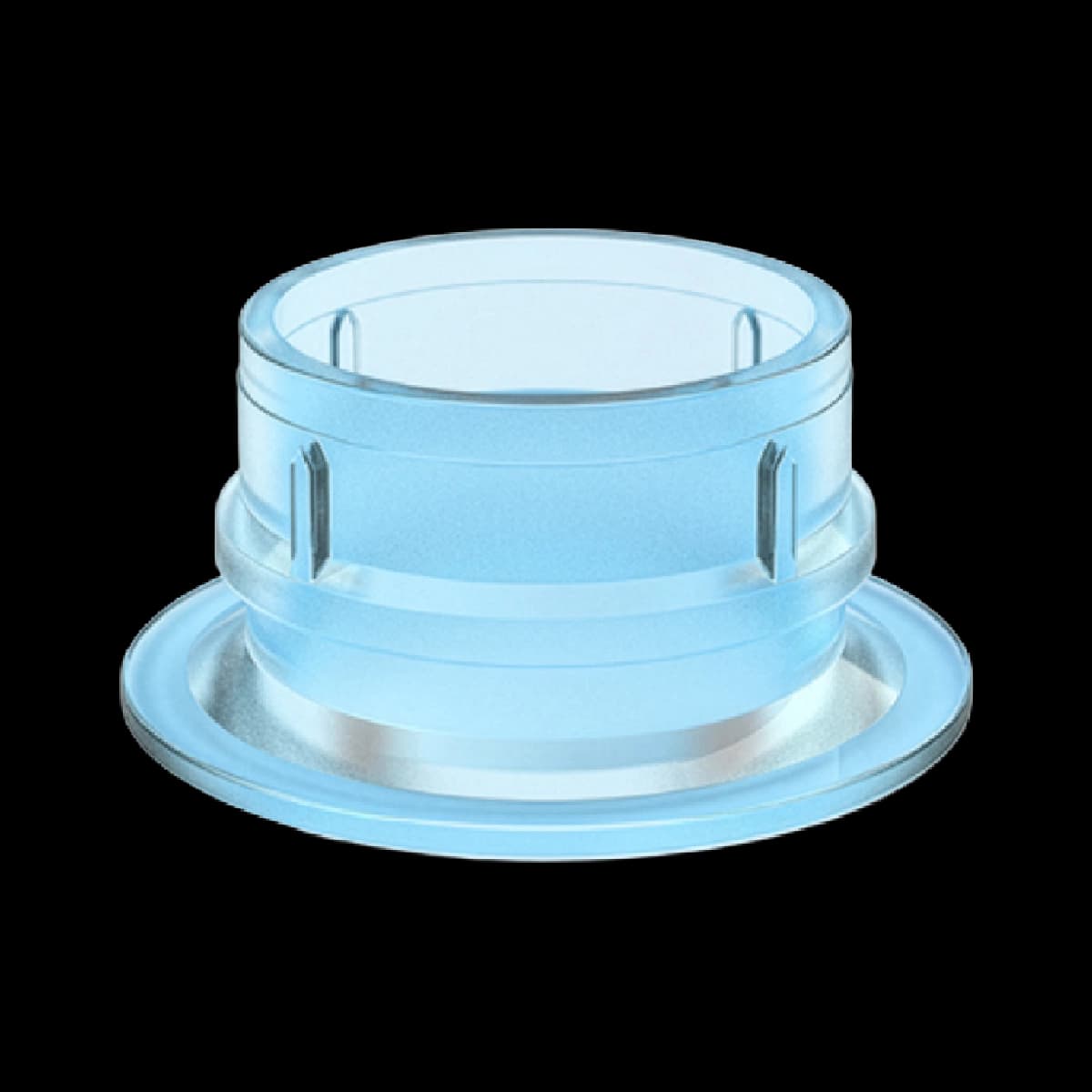
Easton: Specialist neck finish for hot-fill applications, providing enhanced sealing and thermal resistance for products like sauces and ready meals.
Crown Cork: Used for beer and carbonated beverages requiring metal crown caps and strong carbonation retention.
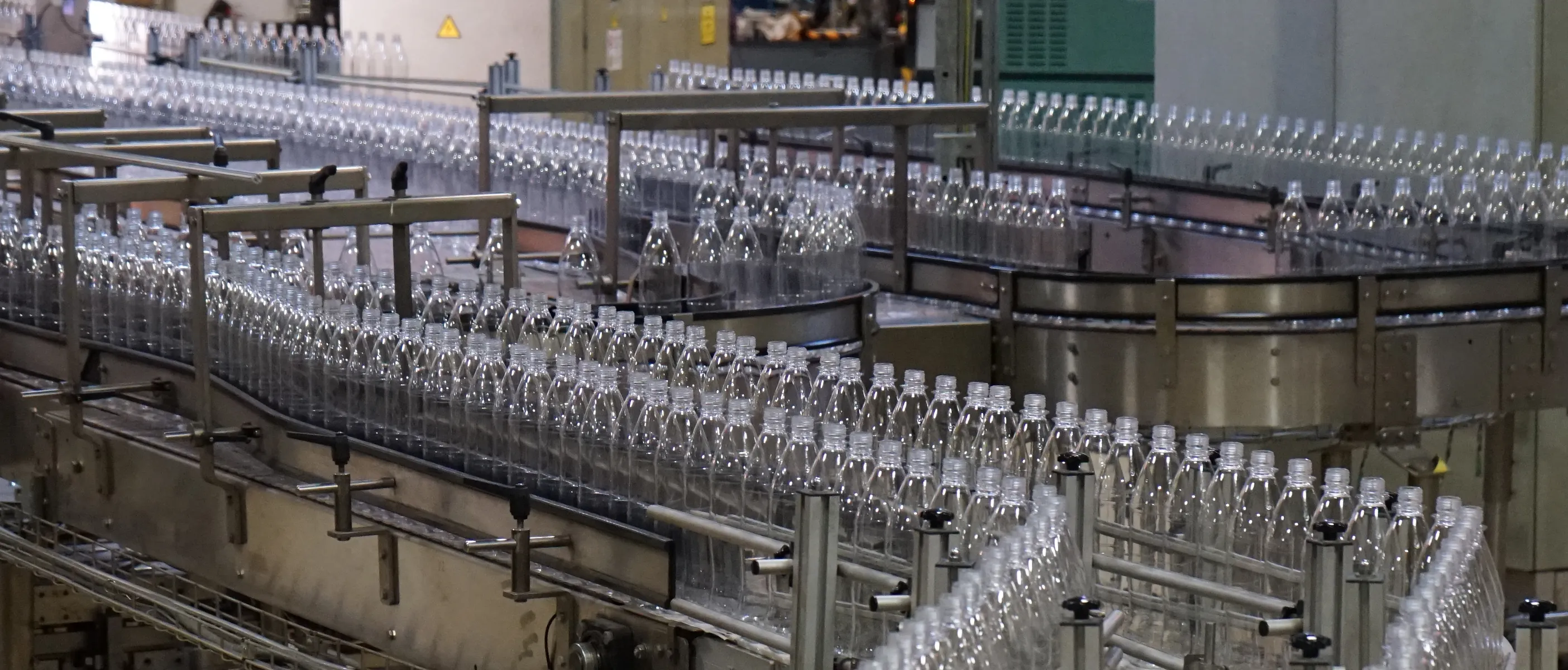
Petainer působí jako velkoobjemový výrobce PET lahví, který slouží podnikovým značkám v oblasti nápojů, FMCG a průmyslu. Naše technické zaměření zajišťuje konzistentní rozměrovou stabilitu a tolerance hrdla pro vysokorychlostní automatizované plnicí linky, maximalizující OEE napříč velkoobjemovými operacemi. Využitím pokročilého odlehčení snižujeme spotřebu materiálu a logistické náklady při zachování strukturální integrity během paletizace a globální distribuce. Pro nákupní týmy pořizující PET lahve ve velkém naše infrastruktura poskytuje kontinuitu dodávek a zmírnění rizik potřebných pro správu komplexních balicích programů na více trzích.
| Material | 100% recycled PET |
|---|---|
| Capacity | 500 ml – 1 L |
| Neck finish | 28mm BPF |
| Use case | Water, soft drinks, juice |
|---|---|
| Recyclability | Fully recyclable |
| Production | Lightweight molded design |
Petainer worked with German Wells Cooperative (GDB) to move reusable PET bottles to 30% rPET in the German market. The project strengthened an established returnable system, reduced bottle carbon footprint, and showed how recycled content can be introduced at scale without moving away from a proven refill model.
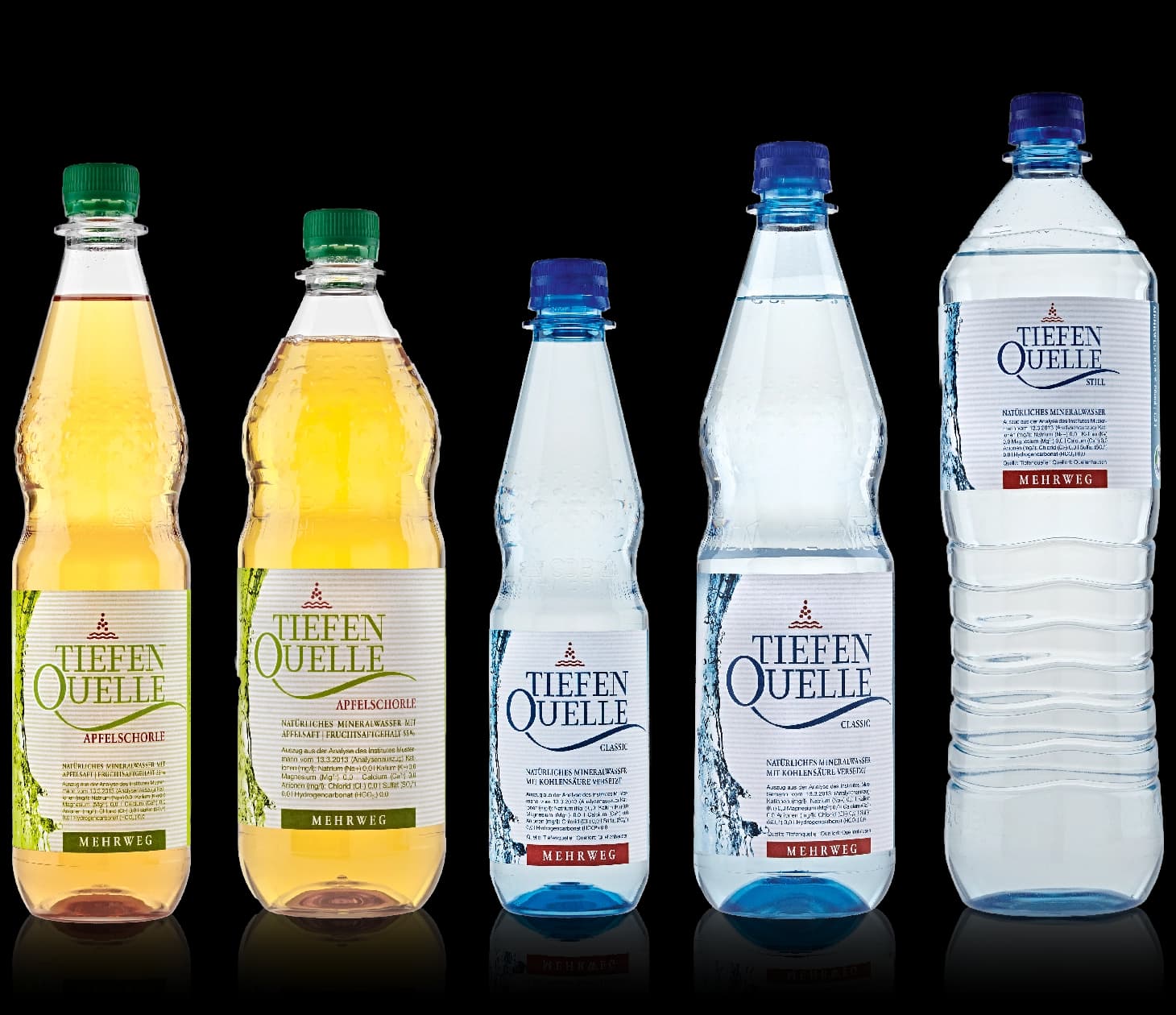
Lahve na sycené nápoje používají vysoce viskózní PET a specifické tloušťky stěn, aby poskytly vynikající bariéru pro CO₂, čímž zabraňují úniku plynu a udržují nápoje syté po dobu 6–9 měsíců.
Tento 'petaloidní' design umožňuje lahvi odolat vysokému vnitřnímu tlaku ze sycení bez deformace nebo prasknutí, i při teplotních výkyvech.
Většina PET lahví na sycené nealkoholické nápoje je navržena tak, aby odolala vnitřním tlakům až 7 barů (přibližně 100 PSI) před selháním.
Ano, třídy PET pro sycené nápoje jsou navrženy pro odolnost vůči environmentálním napěťovým trhlinám (ESCR), aby zabránily selhání při vystavení sycení a mazivům dopravníků.
Ano, potravinářský rPET je vhodný pro sycené nealkoholické nápoje. Výrobci často používají směsi 25 %, 50 % nebo 100 % rPET při zachování požadované odolnosti vůči tlaku.
Ano, většina uzávěrů na sycené nápoje je vyrobena z HDPE nebo PP, které jsou široce recyklovatelné spolu s PET lahví v moderních komunálních systémech.
Nejběžnějším hrdlem pro sycené nealkoholické nápoje je PCO 1881 nebo PCO 1810, navržené speciálně pro sycení pod vysokým tlakem a uzávěry s ochranou proti neoprávněnému otevření.