As we navigate the 2026 regulatory environment, the food industry is under immense pressure to eliminate single-use waste and reduce 'Scope 3' emissions. By switching from glass to high-performance PET, food producers can achieve up to a 90% reduction in packaging weight, significantly lowering the carbon footprint of every pallet. Our containers are 100% recyclable and designed for maximum product evacuation, ensuring that caterers can utilize every drop of your product while meeting their own sustainability targets.
Professional kitchens are high-velocity environments where glass is increasingly viewed as a liability. At the same time, global supply chains are penalizing heavy packaging through new mass-based carbon taxes. The transition to PET is no longer just a preference—it is a strategic necessity for 2026.
Glass breakage on a production line or in a kitchen is a 'red-stop' event that leads to costly product recalls and brand damage. Petainer’s PET bottles are virtually unbreakable and shatterproof. This 'Zero-Shatter' profile provides peace of mind for caterers and food manufacturers alike, removing the need for the intensive secondary protective packaging required for glass shipments.
Shipping bulk sauces and oils in glass is an exercise in inefficiency. Because glass adds significant tare weight, delivery trucks reach their weight limit while the trailer is still partially empty. PET’s lightweight nature allows you to reclaim this lost volume, fitting more units per pallet and more pallets per truck. In a market defined by rising fuel costs and driver shortages, this increased payload capacity is the difference between profit and loss.
When compared to glass or HDPE, Petainer’s PET offers superior clarity and oxygen protection. For oil-based dressings and delicate sauces, the ability to block oxygen ingress is critical to preventing rancidity and maintaining flavor integrity over a 12-month shelf life.
| Metric | Petainer PET Bottle | Standard Food Glass | HDPE Plastic |
|---|---|---|---|
| Tare Weight (500ml) | 28g - 35g | 250g - 350g | 45g - 60g |
| Clarity / Transparency | High (Glass-like) | High | Opaque / Matte |
| Squeezability | High | Zero | High |
| O2 Barrier Protection | Active/Passive Scavengers | Total Block | Low / Poor |
| Recyclability (2026) | Highest (rPET ready) | High (Energy Heavy) | Moderate |
| Breakage Risk | 0% (Shatterproof) | High Risk | 0% |
In the food industry, margins are won in the warehouse. A standard 500ml glass jar can weigh ten times more than its PET equivalent. By switching to Petainer, you effectively remove tons of 'dead weight' from your annual shipping logs. This results in fewer trucks on the road, lower fuel surcharges, and a dramatic reduction in carbon-based environmental levies.
Use the tool below to see how many extra cases of product you can ship per container by switching from glass to lightweight PET bottles.
Your Distribution Operation
Fixed assumptions
Glass: weight-limited at 24 t (1,333 cases/truck) · PET: volume-limited at 2,400 cases/truck · Liquid: 10 kg/case · Truck cost: €2.00/km
Estimated Annual Recovery
Total Annual Savings
€13,050
€1.31 recovered per case
Per-Case Recovery Breakdown (Glass vs PET)
Trucks Eliminated
31,333 → 2,400 cases/truck
CO₂ Avoided
4,536 kg72.0t lighter per year
Sauces, marinades, and dressings are chemically complex. Oxidation and light exposure can quickly turn a premium oil-based product into a waste item. Our PET is engineered at the molecular level to defend your recipe.
We utilize advanced Passive and Active barriers that significantly reduce oxygen transmission rates (OTR). This is vital for condiments containing natural fats or oils, as it prevents oxidative rancidity and preserves the 'fresh-from-the-kitchen' aroma. Your product stays shelf-stable for 12+ months without the need for excessive artificial preservatives.
Light-sensitive ingredients like herbs and certain oils can degrade under retail lighting. Our food-grade PET is available with UV-blocking additives that filter out harmful wavelengths while maintaining the crystal-clear transparency that consumers demand to see the quality of your product.
Yes. PET is highly resistant to acidity and is chemically inert, meaning it will not react with or leach into high-acid food products, preserving the original flavor profile.
We offer specific PET grades designed for hot-fill applications, allowing sauces to be bottled at temperatures up to 85°C without deforming the container.
Yes. By incorporating oxygen barrier technology into the PET walls, we can match the shelf-life performance of glass, preventing the oxidation of oils and fats.
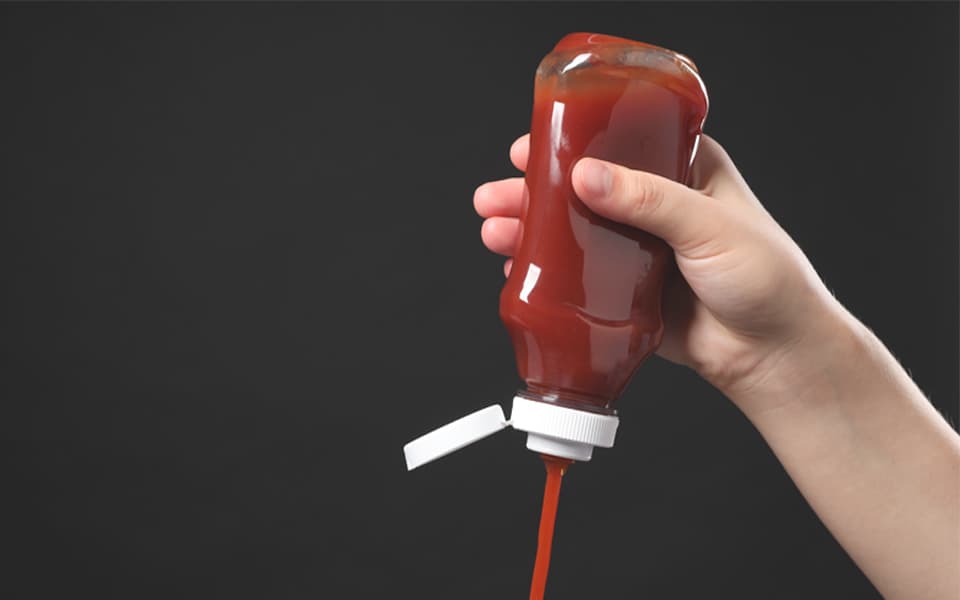
Absolutely. Our sauce bottles are engineered with the perfect balance of structural integrity and flexibility, allowing for easy dispensing until the very last drop.
Yes. Our food-grade PET can incorporate up to 100% rPET, allowing you to meet 2026 sustainability targets without compromising on safety or clarity.
Petainer food solutions are Drop-In Replacements, designed to function on your existing filling and capping lines with minimal adjustment.